
To truly understand front-wheel drive (FWD) transport, you must first accept an inversion of traditional thought: the power source has moved house. This is the essence of the FWD architecture. Unlike rear-wheel drive vehicles, where the engine's output typically travels down a long driveshaft to motivate the back wheels, the FWD design corrals everything into a single, complicated space beneath the bonnet. The engine, usually mounted sideways—or *transversely*—to save crucial width, sits directly above the wheels it powers. This compacted assembly, including the gearbox and differential (often called the transaxle), demands an unusual degree of engineering cleverness. It is precisely this crowded arrangement that offers a counterintuitive benefit: the massive weight of the drivetrain is constantly pressing down upon the front axle, providing immediate, superior traction in slippery conditions, such as driving through a sudden downpour or over treacherous snow.
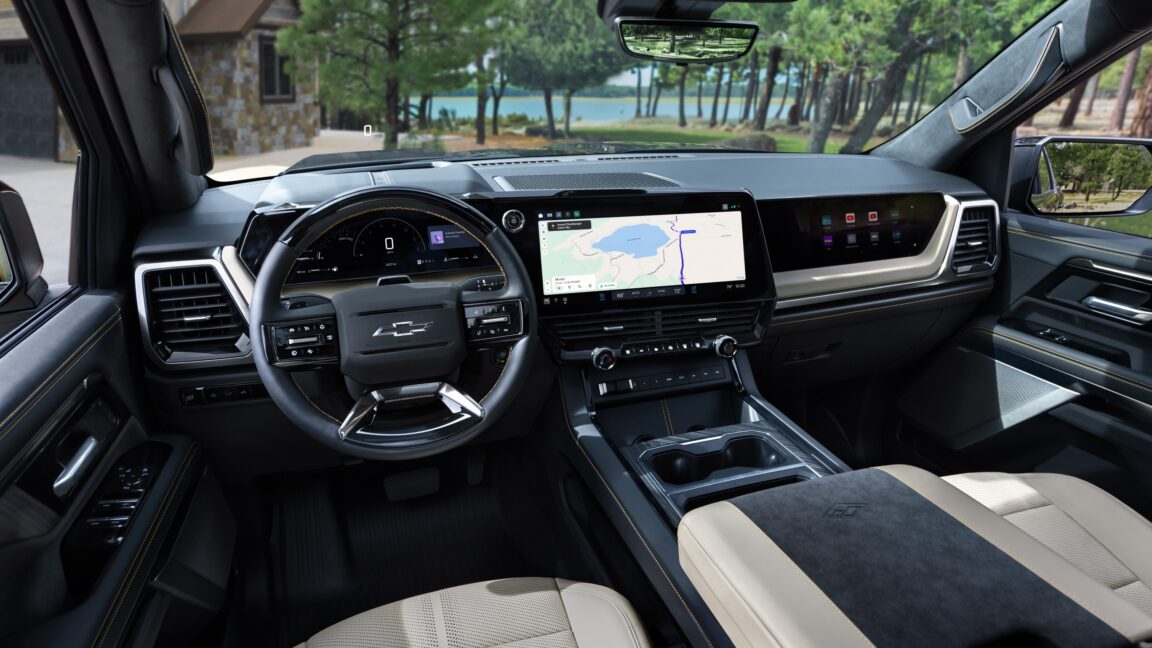
The essential lesson for the FWD operator is one of packaging efficiency. If you peer into the cabin of most compact or mid-sized vehicles today, you will notice the generous lack of a central tunnel; this is one of the design's most compassionate features. By eliminating the necessity for a driveshaft running through the middle of the vehicle's floor, FWD liberates vast tracts of legroom and storage space for passengers, a unique insight into how mechanical austerity can benefit human comfort. Consider the ingenious 1959 Austin Mini, which perfected this transverse engine placement, demonstrating that small external dimensions could still yield surprising internal spaciousness. It becomes clear that the "How To" of FWD transport is less about driving technique and more about appreciating the spatial generosity afforded by the mechanical engineers.
However, the arrangement presents certain confusing aspects. Under intense acceleration, particularly in higher-powered FWD cars, one may encounter the startling phenomenon known as *torque steer*. This occurs when the driving forces transmitted through the two half-shafts (axles) exert an uneven twisting effect on the steering wheel, pulling the vehicle slightly off course. The car, in a peculiar moment of mechanical confusion, seems to be arguing with itself about which direction it truly wishes to go. Furthermore, mastering FWD transport involves respecting the integrity of the Constant Velocity (CV) joints. These highly unique components allow the powered wheels to pivot for steering while simultaneously receiving rotational power from the transaxle—a fascinating, flexing dance of engineering that permits both locomotion and directional change. These joints are sensitive; understanding that their protective grease boots must remain intact is a critical, though often overlooked, step in long-term FWD maintenance. FWD vehicles, from the pioneering Cord L-29 to the countless modern hatchbacks, prove that sometimes, pulling things along is a far more stable and accommodating method than merely pushing them from behind.



No comments:
Post a Comment