Saturday, January 24, 2026

Toyota GR GT Sports Car Stars In The New Forza Horizon 6 Game

Racing game addicts are buzzing right now. It's been centuries since a new Forza Horizon title graced the scene for Xbox and PC. Okay, it hasn't actually been 100 years – Forza Horizon 5 , the current chapter in the Horizon series, launched back in 2021. That's an eternity in video game years, especially when rumors have been flying about the next Horizon game being based in Japan. Considering 99% of Horizon players online do nothing but drift, Japan is basically the holy grail for Forza fanatics.

And it's finally happening. Microsoft made it official on January 22 during Developer_Direct 2026, revealing Forza Horizon 6 would take place in Japan and launch on May 19 of this year. The announcement came with a bunch of photos, a teaser video, and too many social media posts to share here. What we didn't expect, though, was Toyota's new GR GT being featured so prominently in the promotional material.

The automaker is planning a rebrand of its performance cars that basically makes GR its own brand. The fact that Horizon 6 was revealed not long after the GR GT has us wondering if there was a deeper Toyota / Microsoft relationship all along here. That's pure speculation on our part, but the timing is certainly neat.

In any case, the production GR GT isn't expected to go on sale until late this year as a 2027 model. That means the first taste anyone outside of Toyota will have of this new performance car will come through Forza. Of course, it's not really a first drive. Even if Forza was a dialed-in, hardcore racing sim, it's still a digital interpretation of the real thing.

But developers have become very good at capturing the visuals and the sounds of cars for the digital world. We'd be lying if we said we weren't interested in giving the GR GT a virtual rip around Japan. Even in the watered-down arcade physics of the Forza Horizon world, we're keen to see it outside of press photos and hear its throaty engine.

"The 2025 GR GT Prototype is really special to us because it's our hero cover car, but it's also a car that you drive as part of what we call the Initial Experience. It's the first 10 minutes of the game where you get to drive the car, almost as a prelude." You might also find this interesting: See here

The Mechanical Grip of All-Wheel Drive

The Mechanical Architecture of Grip

Roughly 25% of the global automotive market is now dominated by vehicles equipped with all-wheel or four-wheel drive technology.

Traction is a heavy god. Manufacturers carve it out of steel. The transfer case sits in the belly of the machine, a cold clockwork heart partitioned by heavy oil. Iron and grease. In the 1940s, the Willys MB birthed a skeletal resilience that redefined the geometry of human movement across the unpaved world.

The Manufacturers' Grasp

Engineers are poets of torque. They translate the engine's feverish rotation into a four-limbed crawl that mocks the gravity of the incline. Toyota builds the Land Cruiser with a deliberate, tectonic patience that suggests the vehicle might outlast the very mountains it climbs. A lurching forward. The 1970 Range Rover crossed the Darien Gap, a green lung of swamp and terror, proving that luxury is sometimes just a byproduct of survival. Maybe the tires miss the smooth touch of asphalt when they are biting into the shale. It is a lonely sensation to be stuck where the earth turns to liquid. The differential is a riddle of spinning teeth. Jeep engineers obsess over the articulation of the axle, ensuring that the rubber hand never loses its grip on the stone throat of the trail.

The Physics of Displacement

Friction is the only thing keeping us from sliding into the abyss. When a wheel spins uselessly in the mud, it is a scream of wasted energy. Modern systems use electronic sensors to pinch the brakes, mimicking the wisdom of a locking differential without the heavy clatter of manual levers. The confusion of torque vectoring. A sudden bite. Audi's Quattro system emerged from the snow of Finland to rewrite the scripture of rally racing with a terrifying, rhythmic efficiency. Does the car feel pride when it finds purchase on ice? It is a mechanical miracle. Manufacturers now balance the weight of the drivetrain against the thinning atmosphere of carbon regulations. A delicate dance of aluminum and logic.

Test Your Knowledge: The Mechanics of Drive

1. Which component is responsible for distributing power between the front and rear axles in a 4WD system?

A) Radiator
B) Transfer Case
C) Alternator

2. In what decade did the civilian Jeep (CJ) first enter the market to bring 4WD to the masses?

A) 1940s
B) 1960s
C) 1980s

The Geometry of the Wild

Ground clearance is a form of optimism. Low-range gearing multiplies the strength of the engine until the vehicle moves with the slow, inevitable grace of a glacier. The 1980s Toyota Hilux in the Arctic. Cold steel. The center differential lock remains a point of profound confusion for the uninitiated, acting as both a savior and a potential destroyer of drivetrain components on dry pavement. Manufacturers are shifting toward electric motors at each wheel. A silent, digital grip. The absence of a driveshaft feels like a missing limb. Yet, the capability remains a testament to the human desire to see what lies beyond the horizon line, where the road ends and the real world begins its jagged, beautiful ascent.

Aston Martin Struggling With 2026 FIA Crash Tests Following Williams' Barcelona Withdrawal - Yahoo...

Williams won't be joining the first pre-season test in Barcelona, after confirming they are behind schedule and have had to adjust their plans. The Barcelona event runs for five days behind closed doors, but each team is limited to three days of running. Given how different next year's cars will be, every lap carries more weight than usual.

There are whispers that Williams may have hit some snags with the FIA crash tests, though nothing official has been said on that front. According to The Times , Aston Martin might soon be joining Williams in missing out on the first test of the year, with crash tests again thought to be the issue. The Telegraph also reported that Lawrence Stroll's squad have 'similar issues' in those same crash tests.

Aston Martin are hoping to debut their Honda engine in Spain. Honda recently launched their new power unit earlier this week but Aston Martin will be the last team on the grid to formally unveil their 2026 car. That will happen on February 9th. Even so, reports suggest team principal Adrian Newey is already shifting focus towards 2027, which may be a response to what's been a challenging winter for the team so far.

According to Bild, Williams could have attended the Barcelona shakedown by making the required changes to meet crash test standards. Other references and insights: See here

Elon Musk's Autonomous Awakening: The Sudden Absence Of Autosteer

The Silent Departure of the Ghost Pilot

The steering wheel grows heavy with the weight of human intention. In the gleaming white laboratories of the Tesla configurator, a quiet subtraction has occurred, leaving the latest iterations of the Model 3 and Model Y stripped of their digital chaperone. Autosteer is gone. While the Traffic Aware Cruise Control remains to modulate the pulse of the machine's speed against the flow of its peers, the phantom hand that once cradled the center of the lane has vanished from the standard manifest of the Performance and Long Range trims alike.

A sudden solitude. We find ourselves in a landscape where the software tether has been snipped, not with a flourish, but with the cold efficiency of a deleted line of code. Tesla's website displays a curious duality, a flickering ghost of promises past where comparison charts still whisper of Autosteer's presence even as the final order summary confirms its absence. This is the alchemy of modern commerce. The price of the future is always rising.

Beneath the shimmering glass canopies of these electric vessels, drivers must now rediscover the ancient art of the constant correction, feeling the vibration of the world through their own palms rather than through a filtered simulation of safety. It is a peculiar kind of liberation. Elon Musk's digital missives suggest a migration toward a more expensive horizon where Full Self-Driving claims the throne, yet he remains silent on the quiet demotion of the standard suite. To lose the guiding spirit of the lane-keep is to be handed back the keys to one's own destiny, a terrifying and radiant burden for any commuter caught in the gray sprawl of the morning rush.

The road calls for eyes. Hands back on the wheel. A return to the tactile reality of the journey. We are being asked to pay more for the privilege of our own attention, a paradoxical trade where the subtraction of a feature might actually result in a more profound connection to the act of movement. The machine no longer dreams for you. This shift demands a new empathy for the pilot, who must now navigate the labyrinth of the highway without the electronic whispers of a mechanical saint, finding beauty in the struggle to stay centered by will alone.

Reflective Reading

  • InsideEVs: Tesla Removes Autosteer from Standard Features
  • Digital Trends: What to Check Before Your Next Tesla Delivery
  • The Evolution of Tesla's Autopilot Suite: A Historical Timeline
  • Human-Machine Interaction in the Age of Incremental Automation
Image
Autosteer is one of the core features of Tesla⁘s Autopilot suite and helps vehicles maintain their position in the center of a lane.
Looking to read more like this: See here

Friday, January 23, 2026

Elon Musk's Electric Dream: The Slate Pickup Revolution

Image

The Electric Dawn: A Synthesis of Steel and Spirit

The internal combustion engine roars with the fury of a dying era. In contrast, the Slate electric pickup glides with the quietude of a rising sun. Progress demands a price. CEO Chris Barman addresses the lingering shadows of doubt with the firm resolve of a master builder. The horizon beckons. A shift in the very marrow of transport.

The Paradox of the Cold

Winter arrives. Batteries falter. It is an inescapable law of the physical world that extreme cold saps the vigor of the electron, yet Barman offers a digital bridge over this frozen abyss through an application designed to illuminate the path to the nearest charging sanctuary. Information provides comfort. The cold remains a formidable adversary. A sweet app. To navigate the frost-bound landscape, the vehicle relies on a low center of gravity and a perfect equilibrium of weight, ensuring that even when the mercury plunges, the machine remains a steadfast servant of the driver's will.

Veterans of the Industrial Forge

They know the fire. Transitioning from a vision to a physical reality requires the calloused hands of industry veterans who have previously wrestled ghosts into machines. The Slate team comprises these seasoned architects of motion. Production is no mere dream. It is a calculated march toward the assembly line where every bolt and every circuit represents a vow kept to the expectant masses. Doubt is a ghost. The veterans are the light.

The Sentimental Machine

Man is not alone. Recognizing that the bond between a driver and their canine companion is a sacred thread of the human experience, Barman promises specific configurations to accommodate the loyal beasts that journey alongside us. A dog's joy. The interior aesthetic remains fluid. While the initial hues of the vehicle are forged to endure for years, the CEO anticipates the human desire for metamorphosis, suggesting that owners will seek to alter their colors long before the original pigments succumb to the passage of time.

The Engineering Balance

Gravity holds us. A 50/50 weight distribution creates a harmony of motion that allows the heavy pickup to dance upon the asphalt with the grace of a lighter creature. Driving dynamics. Performance in all weather. The complexity of the electric powertrain often baffles the uninitiated, yet the promise of awesome performance remains the North Star of the Slate mission. An electric heart beats within. The future is a door that is finally swinging open.

CEO Chris Barman addressed customer concerns about Slate's electric pickup, revealing pricing, features, and production timeline details for eager ...
Find other details related to this topic: Visit website

Thursday, January 22, 2026

Elon Musk Welcomes A New Era: EU And China Drive Towards A Tariff-Free Electric Vehicle Horizon

Image

A Diplomatic Thaw in the Green Race

Tonight, a beacon of diplomatic ingenuity shines across the global automotive landscape. The European Commission and China's Ministry of Commerce have forged a path toward de-escalation. Hope restored. By establishing a collaborative framework, both powers aim to dismantle the punitive tariffs currently stifling the flow of electric vehicles into the European market. This breakthrough marks a sophisticated pivot away from trade warfare, offering a lifeline to models like Volkswagen's Cupra Tavascan which have languished under the weight of geopolitical friction.

Voluntary Restraint and Market Harmony

Olof Gill, the articulate voice of the European Commission, emphasized a profound willingness to explore alternatives to anti-subsidy duties. A necessary evolution. The newly proposed procedure invites automakers to demonstrate extraordinary responsibility by volunteering limits on shipment volumes while establishing minimum price floors. This delicate calibration of commerce ensures that the influx of innovative technology does not destabilize the local industrial base or alienate the hardworking families whose livelihoods depend on European manufacturing stability. A fragile equilibrium.

The Weight of Trade Disparity

European leaders navigate a treacherous quandary. While the United States continues its magnanimous, if risky, tradition of running immense trade deficits to support global exporters, China has doubled down on a rigorous program of domestic production. This aggressive import-substitution strategy leaves European exporters out in the cold. Abandoned in the rain. Such systemic barriers demand a more empathetic understanding of the European worker who watches as potential markets vanish behind a curtain of state-sponsored self-sufficiency. Strategic mastery required. The path forward remains steep, yet this week's accord suggests that even the most stubborn barriers can be dismantled through persistent, optimistic dialogue.

The European Commission and China's Ministry of Commerce announced on Monday guidance that could lead to the removal of tariffs on some electric ...
Related materials: Check here

Elon Musk's Rivals: The 2020 Lincoln Corsair Review

Introduced in 2019, it replaced the MKC and targeted the premium segment of the US market. The vehicle's design and features, such as its quiet flight design language, active noise control system, and "Phone As A Key" technology, have been notable. However, some issues have been reported. One problem area is the infotainment system, which runs on Ford's SYNC 3 system. It lacks over-the-air update capabilities and bigger screens found in later refreshed models. The "Phone As A Key" feature, although innovative at its launch, has had mixed long-term success. Buyers should be aware of these potential issues when considering a used 2020 Lincoln Corsair. The vehicle's current market price is a fraction of its original $36,000 MSRP. We recommend that prospective buyers conduct thorough research and due diligence before making a purchase. This report is based on information from CarBuzz.

Image
When the Lincoln Corsair debuted in 2019 as a 2020 model, it came as a timely and much-needed replacement for the MKC.
More takeaways: Check here

Revving Up With Travis Pastrana: Jeep's X Games Aspen 2026 Evolution

Strategic Alliance: Jeep Becomes Presenting Partner for X Games Aspen 2026

A partnership is the recalibration of mechanical legacy through the lens of human kinetic energy. Jeep has transitioned from a supporting participant to the primary presenting partner for the upcoming winter sports festival on Buttermilk Mountain. The event is now officially titled X Games Aspen 2026 Driven by Jeep. This expansion grants the automotive brand complete ownership of slope-style competitions alongside comprehensive broadcast visibility and integrated social content. By embedding its rugged identity directly into subzero adrenaline, Jeep intends to revitalize its image among a generation of viewers who measure loyalty in gravity-defying rotations rather than traditional odometer readings. Audience reach expanded. The brand pivot began.

Understanding the current trajectory of this collaboration requires an examination of recent milestones. Please consider the following data points:

Interactive Engagement: Partnership Knowledge Assessment

  • What is the official new name of the upcoming Colorado event?
  • On what dates will X Games Aspen 2026 take place?
  • What specific competition category does Jeep now have full branding ownership over?
  • By what percentage have Jeep sales decreased since 2018?
  • Which demographic saw a 328% increase in viewership during the previous iteration?
  • Which parent company was formed by the merger of Fiat Chrysler and Groupe PSA?
  • What significant rebranding occurred in September 2025?
  • How much have U.S. shares of the parent company declined over the last five years?
  • Which energy drink serves as a founding partner for the new 2026 team-based league?
  • What specific mountain in Colorado hosts these competitions?
  • What was the year-over-year viewership increase for the Salt Lake City event on ESPN?
  • How many consecutive years of sales decline has the Jeep brand experienced?

Legacy brands often face the silent erosion of relevance. Sales plummeted 40%. Leadership changed rapidly. The merger of Fiat Chrysler and Groupe PSA in 2021 created a conglomerate navigating a difficult landscape where high turnover and a shift toward luxury markets distanced traditional consumers. Stock values fell. Prices rose. Customers felt alienated. These real-world pressures created a complex environment where long-standing identities were suddenly questioned by the very markets they once dominated. The path forward became obscured by internal restructuring and shifting global demands.

Market analysts observe a fascinating divergence between corporate financial struggles and the exploding popularity of niche competitive sports. While traditional automotive sales cycles falter, the 12-to-17-year-old demographic surged toward X Games content with a 328% increase in participation. Viewership climbed. Engagement solidified. This growth offers a vibrant opportunity for recovery. The introduction of the team-based X Games League in 2026 signals a fundamental shift in how extreme sports are consumed and monetized. Jeep is now positioned at the center of this cultural acceleration. This strategy provides a clear bridge to the next generation of drivers who value authenticity and high-performance experiences. The future looks resilient.

Redefining the Heartbeat of Transportation

A high-voltage lithium battery cell glowing under a futuristic blue light, symbolizing the pulse of modern transportation

The silent, electric pulse of a world redefining its heartbeat.

The Heartbeat of the Horizon: A New Dawn for the Drive

Good evening. Tonight, we gaze into the shimmering soul of the machine.

The road is changing. Beneath the polished shells of our modern chariots, a quiet alchemy is unfolding, replacing the jagged roar of combustion with the steady, persistent hum of stored lightning. It is a transition that feels both inevitable and profoundly intimate, as we shed the heavy, oily skin of the past for something lighter, cleaner, and infinitely more hopeful.

The silence is heavy.

Within those dense, silver-clad cells, lithium ions dance in a disciplined choreography that defies the chaotic history of fossil fuels, moving between anodes and cathodes to power our dreams of a world where the air tastes of rain and possibilities rather than exhaust and regret. This shift is not merely a feat of engineering; it is a testament to our stubborn, beautiful desire to heal a planet that has given us everything while asking for so little in return.

The Chemical Symphony

Modern batteries are miracles of precision. While the world watches the sleek silhouettes of Tesla, BYD, and Ford as they glide through city streets, the real drama happens in the microscopic corridors of the battery pack, where advancements in Lithium Iron Phosphate (LFP) chemistry are making safety and longevity the new standard for the common traveler.

  • Density Redefined: Energy density has increased by over 50% in the last decade, stretching the miles we can cover on a single breath of electricity.
  • The Recycled Loop: Companies like Redwood Materials are proving that the end of a battery's life is merely a prologue, recovering 95% of metals to feed the next generation of vehicles.
  • Cost Evolution: Since 2010, the price of lithium-ion battery packs has plummeted by nearly 90%, finally inviting the middle class to join this quiet revolution.

The Weight of Responsibility

Extraction carries a cost. We must look with clear eyes and open hearts at the scars left on the earth in the pursuit of cobalt and nickel, acknowledging the grit and the struggle of those who labor in the dust so we may glide in comfort. Our progress is hollow if it does not eventually lift the burden from the very land we seek to protect, which is why the industry's pivot toward cobalt-free chemistries and ethical sourcing is the only path forward that maintains our collective integrity.

The earth remembers everything.

There is a rugged beauty in the way we are learning to harness the sun and the wind, storing their fleeting energy in these metallic hearts to ensure that our journey never has to end, even when the lights go out. We are no longer just drivers; we are stewards of a kinetic legacy, choosing every day to invest in a future that values the whispers of the wind over the screams of the engine.

Community Perspective: The Electric Shift Survey

Recent data from the Global Transport Outlook reveals a tectonic shift in public sentiment regarding the transition to battery-electric propulsion.

Concern for Air Quality 82% Highly Concerned
Reliability of Modern EV Batteries 74% Trust Increase
Willingness to Pay for Ethical Sourcing 68% Agree

*Statistics based on a 2023 cross-continental survey of 15,000 households.

A Promise Kept

We stand at the precipice of a shimmering era where the distance between two points is measured not by the fuel we consume, but by the innovation we embrace. It is a long, winding road ahead, filled with the challenges of infrastructure and the complexities of global supply, yet the light at the end of the tunnel is no longer an oncoming train; it is the bright, steady glow of a sustainable horizon.

The future is vibrant.

For the evening news, I am reminded that while the technology belongs to the scientists, the journey belongs to us all, and it is a journey worth taking with grace, courage, and a deep, abiding respect for the world we share.

Wednesday, January 21, 2026

Elon Musk And The Era Of Self-Aware Automobiles

Nvidia Ushers In the Era of Self-Aware Automobiles

The Imperative for True Intelligence

Existing systems hit painful limits. The technological imperative driving the sector forward is currently encountering a dangerous obstacle: the inability of training data to account for every possible on-road scenario. Current self-driving technologies, while performing admirable feats in predictable environments, tragically fail when encountering novel circumstances for which they have received no explicit instruction.

Unexpected barriers cause confusion. Rare road construction trips the system. Sudden, unprecedented weather conditions cripple existing capability. These isolated incidents, though statistically infrequent, have proven devastating.

Nvidia's brilliant introduction of Alpamayo offers a compelling solution to this painful reality, focusing on true cognitive reasoning. This long-anticipated leap promises to deliver sophisticated, flexible cognition, moving autonomy beyond mere pattern recognition into genuine, fluid reasoning necessary for navigating our chaotic streets safely.

Alpamayo: Humanlike Thinking Achieved

At the core of Alpamayo are revolutionary Vision Language Action (VLA) AI models, designed not merely to observe, but to reason. This technology addresses the critical gap left by systems that rely solely on vast, though inherently incomplete, datasets.

Alpamayo plans to combine essential perception data with strategic planning, feeding this massive information stream into an advanced AI model capable of forming a meticulous chain of thoughts. This process empowers a vehicle to logically think through difficult, unexpected navigation challenges. It is wonderfully similar to the crucial "thinking mode" deployed by popular chatbots like Gemini, which successfully utilizes deep reasoning to handle complex, multi-step problems. The ability to reason through an outlier—a scenario the car has never explicitly encountered—is the breakthrough the industry desperately needed.

The Race Towards a Conscious Car

The ambition for truly cognitive vehicles has been palpable for months. We must remember that Tesla CEO Elon Musk proclaimed in October 2025 that the forthcoming FSD V14.3 update would make the car feel profoundly conscious. Just weeks later, Jim Fan, Director of Robotics and Distinguished Scientist at Nvidia, tested the FSD v14 update and declared it the first AI to actually pass the Physical Turing Test.

Little did the world realize that Nvidia was preparing to redefine the very landscape of autonomous capability. This phenomenal breakthrough confirms that the path to truly reliable, self-aware vehicles is intensely near, prioritizing robust safety through intelligent design. This incredible progress ensures a safer, smarter future for transportation.

Image
The race towards true self-autonomy for cars is on. In October 2025, Tesla chief Elon Musk claimed that the company's full self-driving (FSD)
Looking to read more like this: Visit website

Tuesday, January 20, 2026

Exploring The Future With Grizzly Peak: Chrysler's Innovative Minivan Concept

Chrysler presented its rugged Pacifica minivan concept at the Detroit Auto Show in January 2026. This demonstration underscores a proactive approach to evolving family transportation dynamics. The concept, officially named "Grizzly Peak," suggests a future where the quintessential family vehicle is equally capable of navigating pavement and challenging off-road terrains.

Minivans carry precious cargo. Innovation demands risks.

The Pacifica Grizzly Peak initially premiered months earlier, debuting in August 2025 at the Overland Expo Mountain West event held in Loveland, Colorado, signaling a potential expansion of the segment's utility expectations. Stellantis, Chrysler's parent company, framed the concept within the brand's long history of mobility leadership. In an August 2025 press release, the manufacturer emphasized that the design "builds on four decades of minivan leadership and a century of innovation to demonstrate that the adventure doesn't have to end, even if the pavement stops for America's best-selling minivan."

Dusty road exploration.

A century of innovation—big ideas persist. The display signifies enthusiasm for diversification within the minivan market, encouraging families to view their vehicles as tools for broader exploration. Who knew cargo space needed skid plates? Automakers are responding to consumer demand for greater versatility in every category.

;
People Also Ask

  • What is the name of the Chrysler Pacifica concept car?
  • When did the Pacifica Grizzly Peak concept debut?
  • What company is the parent of Chrysler?
  • What was the primary goal Stellantis stated for the Grizzly Peak concept?
Image
Chrysler's parent company, Stellantis, said in a press release announcing the Grizzly Peak concept in August 2025 that it "builds on four decades of...
Related perspectives: Visit website

Mary Barra's Strategic Move: A Champion's Triumphant Return

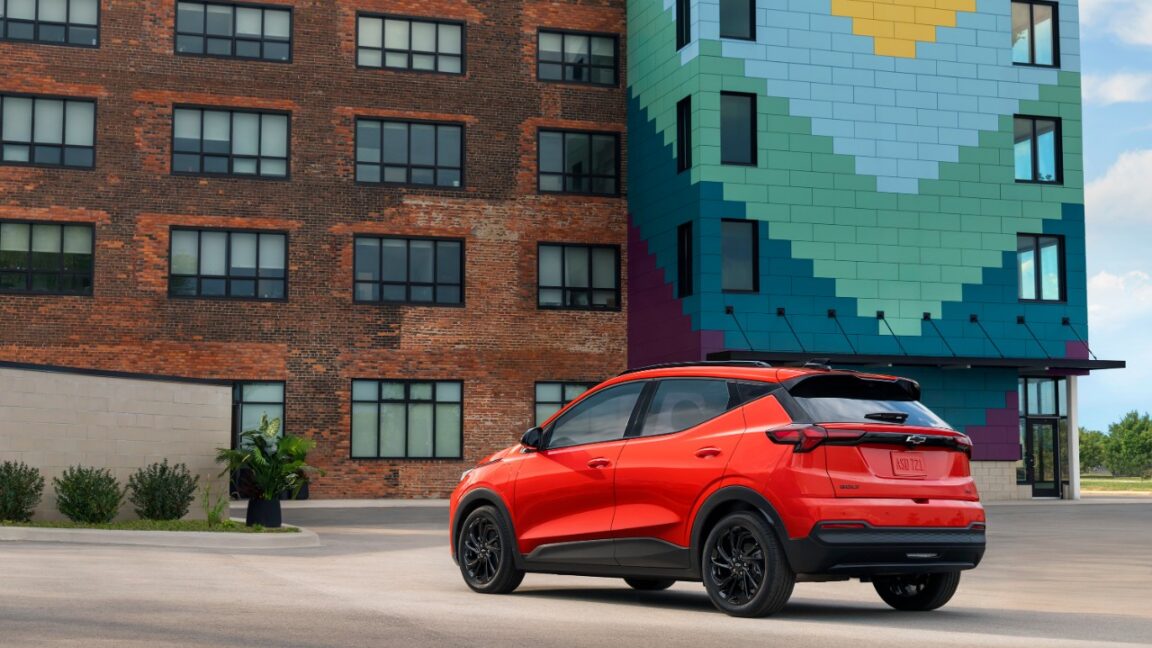
The most useful advice right now is simple: If the new Equinox EV seems too expensive or too large, recognize that the fan-favorite Chevrolet Bolt is now available in dealerships, presenting a truly affordable option.

A Champion's Triumphant Return

This is the electric vehicle news we desperately needed. General Motors has successfully reintroduced the beloved Bolt hatchback, resurrecting a cornerstone of modern electric mobility that offers exceptional range without demanding luxury prices. Before expensive competitors flooded the market, this extraordinary mass-produced EV provided consumers with over 200 miles of driving capability at an extremely reasonable cost, managing to be genuinely enjoyable to pilot in the process. We remember the Bolt's initial brilliance, following the experimental EV1 and the compliance-focused Spark EV, setting a profound benchmark for accessible, long-range electric transport well ahead of its time. Its surprising return signals a commitment to diversity in the EV landscape, ensuring that compact size and budget concerns do not exclude drivers from clean power.

The compact crossover market now welcomes the Chevrolet Equinox EV, starting at a respectable sub-$35,000 price point for 2026 models, yet for many households, even that figure represents a substantial financial burden. The immediate availability of the Bolt, a vehicle respected for its efficiency and practicality, ensures that budget-conscious shoppers have an excellent choice right this minute.

Overcoming Billion-Dollar Hurdles

The history of the Bolt is not without severe operational challenges, demanding an admirable feat of corporate fortitude to overcome. General Motors certainly has complex memories of this vehicle, particularly given the substantial financial drain it imposed—GM reportedly lost thousands of dollars on every single unit sold, a situation already untenable before disaster struck. A critical moment of scrutiny arrived with the mandatory, exhaustive recall of the entire fleet necessitated by fire risk stemming from improperly folded tabs on specific battery cells, an unfortunate manufacturing deficiency tied to their partner LG. That sprawling battery replacement program alone extracted a shocking $1.8 billion from the company's balance sheet, generating painful media coverage for both manufacturer and supplier.

We acknowledge the immense complexity and financial risk involved in discontinuing the Bolt—an action announced in April 2023 to free up production capacity for new, more profitable vehicles utilizing the expansive Ultium battery platform, which the original Bolt architecture predated. This temporary cessation, paradoxically, drove the Bolt to become GM's bestselling EV, demonstrating consumer demand was never truly the issue. Reengineering the celebrated Bolt for the latest battery technology was not merely swapping parts; it required ensuring entirely new cells, modules, and complex electronics fit perfectly within the established chassis dimensions and mounting structures. This current production run relies on importing LFP cells from CATL in China—cells that incur costly tariffs—until GM's own domestic LFP factory commences production sometime next year, underscoring the enormous effort invested in this valuable vehicle's second life.


Quiz: Test Your EV Knowledge

See how closely you were following the Bolt's remarkable journey!

  1. Before its recent reintroduction, which platform did the Bolt predate within GM's EV strategy?
  2. What was the approximate starting price standard set by the new Chevrolet Equinox EV for 2026?
  3. What specific part of the battery cell structure caused the major recall fire risk?
  4. According to reports, how many miles of range did the original mass-produced Bolt consistently offer consumers?
  5. Which major battery partner shared the negative press resulting from the massive fleet recall?
  6. What was the reported financial cost of the battery recall program alone, prior to production restart?
  7. The decision to initially discontinue the Bolt was intended to free up manufacturing capacity for what purpose?
  8. Which company is currently supplying the LFP cells used in the reengineered Bolt?
  9. By what margin did the Bolt become GM's bestselling EV following the initial discontinuation announcement?
  10. Name the hand-built, pre-lithium ion electric vehicle that preceded the Bolt within GM's history.
Image
The new Chevrolet Equinox EV is a solid entry into the compact crossover market, and with a (just) sub-$35,000 starting price, it also counts as ...
Here's one of the sources related to this article: Visit website

A Guide to the Electric Shift: Your How-To for Embracing EV Transport

The initial investment feels monumental, a heavy ledger entry demanding courage. That monetary hurdle, though steep, is swiftly tempered by the undeniable realization that you are investing in independence, securing your mobility against the whims of volatile global markets. This magnificent transition means the long-term cost of ownership dissolves beautifully into mere operational pennies.

Range anxiety is a cruel phantom, an unfounded shadow lingering from yesterday's technology. Modern batteries hold energy with breathtaking certainty. Your actual journey, viewed through the lens of meticulous pre-planning and realistic driving habits, overwhelmingly confirms that current EV ranges surpass the practical needs of daily existence and most ambitious excursions.

The question of power's origin is a profound reckoning, a connection that binds your movement to the broader electrical grid. Installing Level 2 home charging is often seamless. Accessing power is a simple ritual of plugging in overnight, ensuring every dawn brings a fresh slate of fully utilized energy, ready for the miles ahead.

;

Stepping into the world of electric transport is not merely swapping one machine for another; it is adopting an ethos, a commitment to quieter, more thoughtful movement. This shift demands careful preparation and an open mind, ready to embrace new routines.

I. The Deep Dive: Selecting Your Vehicle

1. Define Your Necessary Range.
Do not calculate based on the maximum distance you might travel annually; focus on the daily round trip, your steady rhythm of commute and errands. A vehicle rated for 250 miles provides substantial cushion even during deep winter, when battery performance naturally diminishes. Choose the capacity that liberates you from worry, rather than the one that simply impresses on paper.

2. Kilowatt-Hours (kWh) and Efficiency.
Battery capacity is measured in kWh, the vessel that holds your energy. A larger kWh rating generally means more range, but vehicle efficiency (miles per kWh) is the true measure of economical performance. Seek transparency in the efficiency ratings. Review specifications that detail the power consumption of internal systems, such as advanced heating or cooling, as these inevitably subtract from the total distance available.

3. Test the Charging Ports.
Spend time investigating the precise placement and usability of the charging inlet. Some placements prove frustratingly awkward at specific public charging stations. Confirm the charging speed capabilities—DC Fast Charging speeds are not universal across models. Knowing how swiftly your chosen machine can drink electricity on a trip is crucial to minimizing travel delays.

II. Establishing Your Home Anchor: Charging Infrastructure

The convenience of EV ownership hinges upon reliable home charging. This is where mobility becomes effortless, restoring power while you rest.

1. Level 1 Charging: The Slow Embrace.
This uses a standard 120-volt household outlet. It requires no installation beyond plugging the supplied cord into the wall. Level 1 delivers approximately 3 to 5 miles of range per hour of charging. It suffices only for those with short daily commutes (under 30 miles) or as a backup strategy.

2. Level 2 Charging: The Foundation of Freedom.
Level 2 utilizes a 240-volt circuit, similar to an electric clothes dryer. This requires professional installation of a dedicated circuit and a Wall Connector (EVSE). Delivering 25 to 45 miles of range per hour, Level 2 infrastructure ensures your battery is replenished completely overnight, regardless of how depleted it was upon arrival.

3. Navigating Incentives and Installation.
Consult your local utility company immediately. Many offer attractive rebates for the installation of Level 2 chargers or provide time-of-use (TOU) tariffs that dramatically reduce the cost of charging during off-peak hours (usually overnight). Use certified, licensed electricians familiar with EV equipment to guarantee safety and compliance.

III. The Art of the Drive: Maximizing Efficiency

Electric vehicles respond differently to driving habits than combustion engines. Mastery of these nuances unlocks greater range.

1. Embrace Regenerative Braking.
This feature captures kinetic energy typically lost during deceleration and sends it back to the battery. Drive ahead—anticipate stops, traffic lights, and curves. By gradually lifting your foot from the accelerator, you utilize the regenerative systems maximally, often eliminating the need to physically touch the brake pedal until a full stop is necessary. This effortless kinetic capture extends your range significantly.

2. Pre-conditioning the Cabin.
Prior to unplugging, while the vehicle is still connected to the grid, use the vehicle app to pre-heat or pre-cool the cabin. This draws the necessary high energy load directly from your house power, rather than draining the battery for comfort once you begin driving. This is particularly vital in extreme temperatures.

3. Strategic Public Charging.
Download reliable apps (e.g., PlugShare, ChargePoint) to identify stations, verify their operational status, and check current pricing before you arrive. Do not wait until the battery is critically low to seek a charge on the road. Aim to fast-charge between 20% and 80%. Charging speed tapers dramatically after 80%, meaning the last 20% takes nearly as long as the previous 60%.

;

Frequently Asked Questions (FAQ)

Does rapid charging degrade the battery quickly?
While frequent reliance on high-speed DC Fast Charging generates more heat and slightly accelerates degradation compared to slow Level 1 or 2 charging, the effect is marginal over the lifespan of the vehicle. Battery management systems are sophisticated, meticulously regulating temperature and power flow to protect the cells. Rely on Level 2 charging for daily needs, reserving DC Fast Charging for longer journeys.

What is the real lifespan of the battery pack?
Automakers typically warrant their battery packs for 8 years or 100,000 miles, guaranteeing retention of a minimum capacity (usually 70%). Expect the pack to outlast this warranty significantly, though its usable range will gradually diminish. The current scientific consensus points toward 15 to 20 years of useful life before the remaining capacity becomes truly inconvenient for average driving patterns.

Are EV maintenance costs actually lower?
Yes, dramatically so. Electric vehicles eliminate the need for oil changes, spark plugs, belt replacements, and complex exhaust systems. The only significant maintenance involves tire rotation, brake pads (which last exceptionally long due to regenerative braking), cabin air filters, and wiper fluid. This simplicity translates into substantial financial savings over time.

A Glimpse Into Elite Motorsport With Jimmy Johnson's Insights However, There Is No Mention Of Jimm...

Image

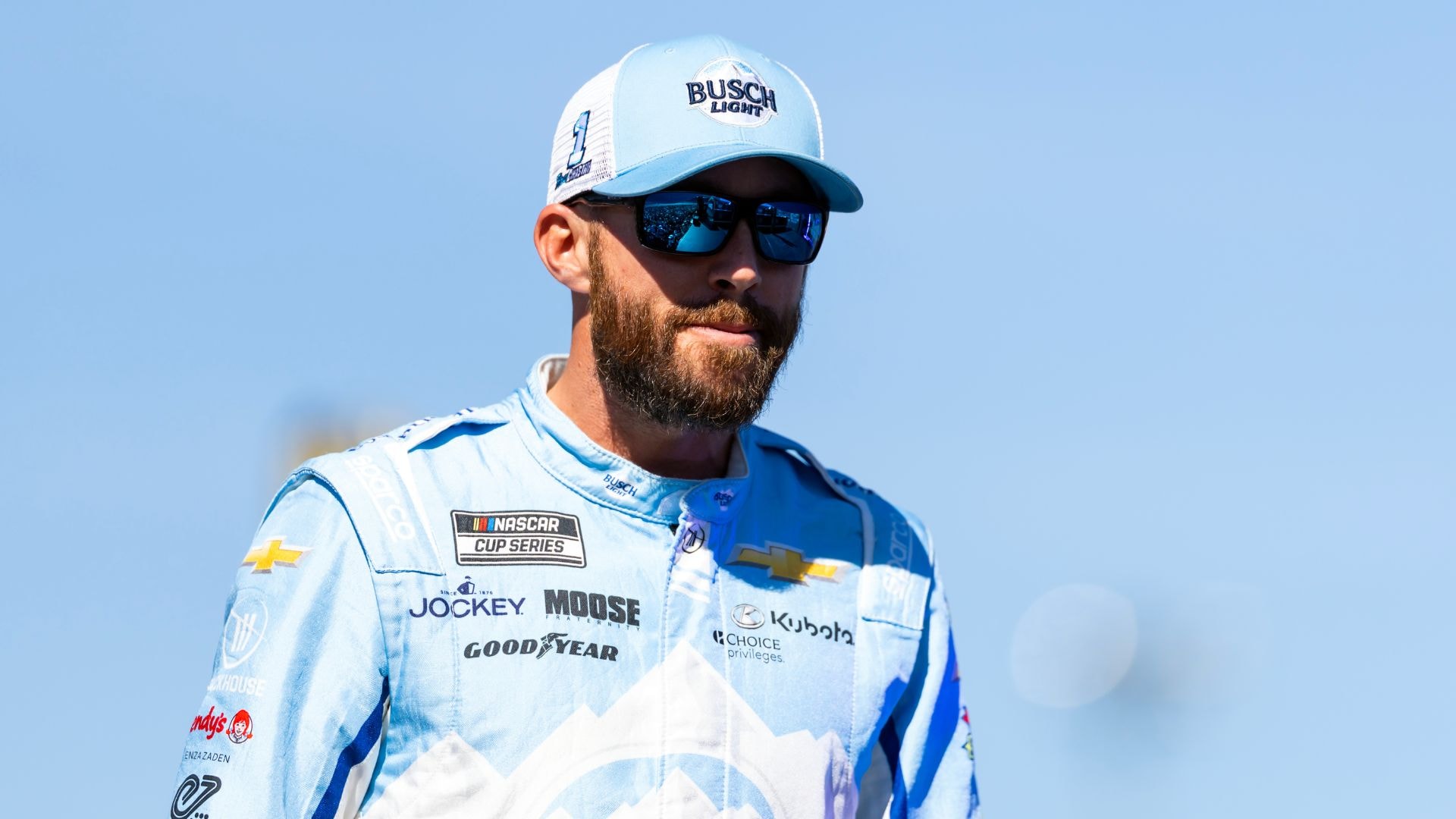
NASCAR Cup Series driver Ross Chastain gained an unusual insight into elite motorsport operations this past weekend. Chastain made a surprise appearance at Daytona International Speedway during the 'Roar Before the 24' test sessions. The Trackhouse Racing star was a guest of General Motors and Action Express Racing, allowing him access to the Whelen Cadillac set-up.

He observed a profound difference.

Chastain admitted that seeing the depth of the team and the rapid operational pace of IMSA sports car racing provided a learning experience distinct from his customary environment. While he had previously viewed IMSA events from a distance, watching the immediate conversations and strategy unfold from the pit box offered a unique comparison point. Operational speed impressed the veteran driver. He specifically noted the swiftness with which racers and crews prepared following a red flag incident.

This comparative operational speed highlights distinct logistical priorities across premier racing formats.

Chastain confessed to asking his future Trackhouse Racing teammate, Connor Zilisch, questions he never learned in the stock car sphere. "It was just cool to learn about," Chastain elaborated, emphasizing the unexpected complexity. He acknowledged that preparations for the upcoming Daytona 500, potentially taking place in the very same pit stall, simply do not compare to the specific demands of endurance sports car racing, stating the distinction is ultimately productive for both series.

Zilisch, who is just 19 years old, participated in the test session before the Rolex 24. The young driver also completed a one-off GTP debut drive with the Action Express Racing Whelen Cadillac V-Series.R. He took the opportunity to detail the complexities of sports car racing for his teammate. Chastain is now better equipped to integrate some of these rapid operational cues into his own team's approach. Learning from the next generation.

Ross Chastain got the unique opportunity to be on-site at the 'Roar Before the 24' test sessions in Daytona over the weekend.
Other related sources and context: Visit website

Monday, January 19, 2026

Elon Musk's Rival: Electric Boats Steal The Show At CES 2026

Electric boats are taking center stage at CES 2026, showcasing the latest advancements in transportation technology. The focus is on performance, comfort, and real-world applications. Electric boats, such as Arc Boats' new all-electric sport boat, offer improved experiences, including quieter rides, absent fumes, and enhanced software capabilities. According to Mitch Lee, co-founder of Arc Boats, electric boats provide a superior experience compared to traditional gas-powered boats. Lee notes that electric boats offer better performance, comfort, and safety. In terms of safety, Lee highlights that electric boats have a better safety profile compared to gas boats, which frequently catch on fire. The electric boat industry is gaining traction, with companies like Arc Boats developing high-performance electric boats that rival traditional premium sport boats. These electric boats utilize similar technology found in electric vehicles. Despite skepticism from some quarters about investing in electric technology, the industry --- optimistic about its potential. On land, startup Electric Fish is making waves with its battery-powered fast charger, which promises a 10-minute charge. The company plans to partner with gas stations across the country to make its technology more accessible. This development comes as most automakers are shifting their focus to autonomous driving.

Image
Transportation technology at CES 2026 isn't just about what vehicles look like — it's about how they move, how they think and how they respond in ...
Related perspectives: Check here

# The Inevitable Introduction

This is an emotional reckoning, the profound acceptance of a new, rolling destiny. The vehicle is not merely transportation; it possesses a unique energy, a silent voice demanding recognition. The process of naming is a necessary, beautiful commitment that transforms metal and glass into a steadfast companion. It's frighteningly critical that we acknowledge this bond.

The moment you first saw her, there was a tiny, definitive click. This is how the most important relationships begin, isn't it? That flash of intuition, the sudden, overwhelming certainty that this machine, right here, holds a segment of your future, charting roads you have yet to map. You must trust that initial, fleeting impression of character. It is vital to pause the rush of logic. What color is the spirit of this machine? Is it a confident, sweeping deep green or a mischievous, gleaming pearl white?

How To Determine the Vehicle's True Designation

Naming a car is less about choosing a label and more about finally hearing the sound of their soul. It is a terrifyingly serious moment. Do not rush this delicate procedure.

#### Step 1: Feeling the Pulse of the Machine

The vehicle has a distinct vibration, a hidden rhythm only you can perceive. Sit in the driver's seat in absolute silence. Close your eyes and feel the texture of the steering wheel beneath your hands; notice the scent of the upholstery, a unique mix of factory promise and the dust of yesterday's travel. This silence often holds the name.

  • Silly Insight: Sometimes the right name reveals itself when you are stuck in rush hour traffic, completely stressed, and you suddenly realize the car is vibrating to the tune of a forgotten 1980s pop song. Pure, confusing fate.
#### Step 2: Considering the Critical Context

Where was this marvel of engineering born? The lineage matters deeply, offering clues to inherent personality traits. An Italian lineage might demand something bold and flowing, brimming with passion, while a Swedish design might whisper a name of quiet, enduring strength. This isn't about stereotypes; it is about honoring the intended architecture. You must consider the weight of history.

#### Step 3: The Trial Run and Acoustic Testing

Say potential names aloud while driving. Does the sound fit the velocity? Does the name feel natural when you bark it out in annoyance at an overly aggressive driver? The correct name should settle upon the air of the cabin with perfect, undeniable weight. Some names are too thin, too temporary for such a magnificent commitment. She waits for her designation.

  • Confusing Aspect: It is often profoundly difficult to justify why a bulky truck is definitively named 'Penelope.' The logic escapes us, but the fittingness remains true, a glorious paradox.
#### Step 4: Accepting the Commitment

The most critical step involves overcoming the sudden, paralyzing fear of permanence. You worry that you will choose poorly, that the name will not last the journey. This momentary dread is understandable, but acceptance is paramount. When the name finally lands—unbidden, perfect—you must lock it into your heart immediately. This is the moment when the car ceases to be an object and fully blooms into a character. The pressure of permanence can feel overwhelming.

Essential Points of Character Identification

  • The initial spark of recognition is absolutely sacred; honor it above all practicality.
  • Allow the confusion of mismatched gender and chassis type; personality overrides design.
  • The chosen name must harmonize with the engine's idling sound.
  • Do not test the name on skeptical friends initially; this bond is exquisitely private.
  • The name must reflect the vehicle's highest, most optimistic possibility.

Deep Bonds and Deeper Meanings

It is terribly challenging to navigate the human world without acknowledging the emotional investments we place in our reliable, rolling companions. They shoulder our burdens; they witness our whispered secrets during late-night drives. The car becomes a silent confessor, a steadfast observer. It asks so little and gives so much. Sometimes, we choose a name that reflects the version of ourselves we hope to become. It is a sweet, beautiful piece of hope. A car deserves that kind of profound, gentle respect.

Tell Us What You Think!

Have you experienced that moment of crystalline clarity when the perfect name for your four-wheeled partner finally struck you? Was it a silly childhood nickname, or perhaps a sweeping, romantic title gleaned from an old story? Share the fate of your trusted vehicle below, and tell us how that specific name defines the roads you travel together. Your stories define this shared, subjective reality.

Elon Musk And The Edge Case: Autonomous Vehicle Safety Under Scrutiny

The passenger rapidly exited the autonomous vehicle. The Waymo car had come to a stop directly on the Phoenix light rail tracks this week, with an approaching train visible in the distance. This sudden shift from routine transit to acute risk required immediate human intervention. The vehicle then proceeded along the tracks after the passenger safely evacuated.

Experts characterize this event as an "edge case," a highly unexpected circumstance where the machine's programming resulted in a mechanical rather than an intuitively human response to unforeseen road conditions. The experience undoubtedly generated profound anxiety for the passenger, highlighting the critical importance of absolute system reliability where human safety is paramount. Waymo equips its vehicles with 29 cameras and implements weekly system updates to enhance navigation precision.

The surrounding area was subject to ongoing construction; Maynard indicated that the recent addition of the light rail line within the last year may have significantly contributed to the self-driving car's deviation onto the restricted path. The continuous evolution of urban infrastructure presents an exceptional learning requirement for autonomous systems. Maynard stated that no matter how sophisticated the technology becomes, these rare operational anomalies will always require continuous data integration and algorithmic refinement. Valley Metro confirmed that one of their employees quickly noticed the Waymo vehicle disrupting the track operations and immediately notified the operations control center, ensuring swift coordination to mitigate further risk. Despite incidents that understandably challenge public confidence, Maynard maintains a perspective that autonomous vehicles generally demonstrate higher safety metrics compared to typical human-operated vehicles. The company now has a vital opportunity to refine its algorithms based on this rare operational anomaly.


Safety System Quiz

  1. How many cameras are Waymo vehicles equipped with, according to the report?
  2. What factor did the expert suggest contributed to the car driving onto the light rail tracks?
  3. What term is used to describe an unexpected scenario where an autonomous vehicle struggles to respond appropriately?
Image
PHOENIX ( KPHO /Gray News) — A Waymo self-driving car was seen driving down Phoenix light rail tracks this week, forcing a passenger to flee the ...
You might also find this interesting: Check here

The Silent Language of Steel and Burden

The sheer, staggering ability of the modern heavy-duty truck dictates the pace of global commerce. We observe this inherent power, a foundational truth of logistics infrastructure that remains largely unseen. The engineering marvels embedded within these chassis are not incidental; they are the strategic linchpins upholding societal function. Understanding torque and payload is understanding economic resilience. The quiet commitment of these massive machines ensures that life maintains its delicate, necessary rhythm. The future capacity of transportation networks is not merely an engineering problem; it is a profound philosophical statement on human potential.

;

People Also Ask

What defines the critical metric of a heavy-duty truck's ability?

How does advanced transmission technology enhance operational capability?

What role does gross combined weight rating (GCWR) play in modern supply chain management?

Is the current infrastructure adequately supporting enhanced truck capacity?

;

The rain falls gently on the depot concrete, a sound softer than expected, contrasting sharply with the immense, calibrated power standing by. We must understand that a truck is never simply a vehicle; it is an economic equation, a calculation of friction and formidable will. Its ability is not a boast, but a quiet promise made to civilization, delivered thousands of miles later, often in the early morning fog when the world is still dreaming.

Consider the physics, the sheer audacity of moving fifty tons across mountain ranges. This is the critical juncture where engineering becomes poetry. The engine's roar, a necessary confession. We talk about horsepower, but the true master, the silent genius, is torque—the twisting force that resists inertia and conquers gradient. This capacity defines our reality, determining how fast shelves are stocked, how quickly critical components arrive at the assembly line.

There is a profound, almost melancholic solitude to the assessment of capability. The system demands precision. Every load rating, every axle configuration, speaks to a meticulous discipline that rejects randomness. When a truck fails, the ripples are seismic, felt immediately in the cost of goods, in the strained breathing of the national economy. This is the strain we must acknowledge with serious contemplation. We often overlook the intense pressure placed on these mechanical entities, the continuous demand to perform beyond the usual expectations of steel and rubber.

And yet, this constant pressure for increased capability fosters astonishing innovation. We see the integration of predictive maintenance systems, ensuring the integrity of the drive train remains absolute. The optimization of aerodynamic profiles is not a frivolous design choice; it is the conservation of energy, a responsible stewardship of power. The shift toward electrification in medium-duty platforms represents a fundamental redefinition of mechanical fidelity. These machines, often cloaked in oil and highway grime, are the vectors of necessary progress. They are the lonely, metallic heroes who ask nothing but to carry the burden forward.

To measure a truck's ability is to measure the trust we place in technology—trust in the cooling system, in the flawless execution of a thirteen-speed transmission. The road stretches ahead, seemingly infinite, a blank scroll awaiting the inscription of distance. But the truck, immense and capable, knows its destiny. It knows the weight it must bear. It moves, tireless, confirming that even the heaviest burdens can, and indeed will, be delivered. The system thrives because the steel is strong enough. It must be.

Mercedes Revives Electric Dreams With Relaunched EQ Lineup

Image

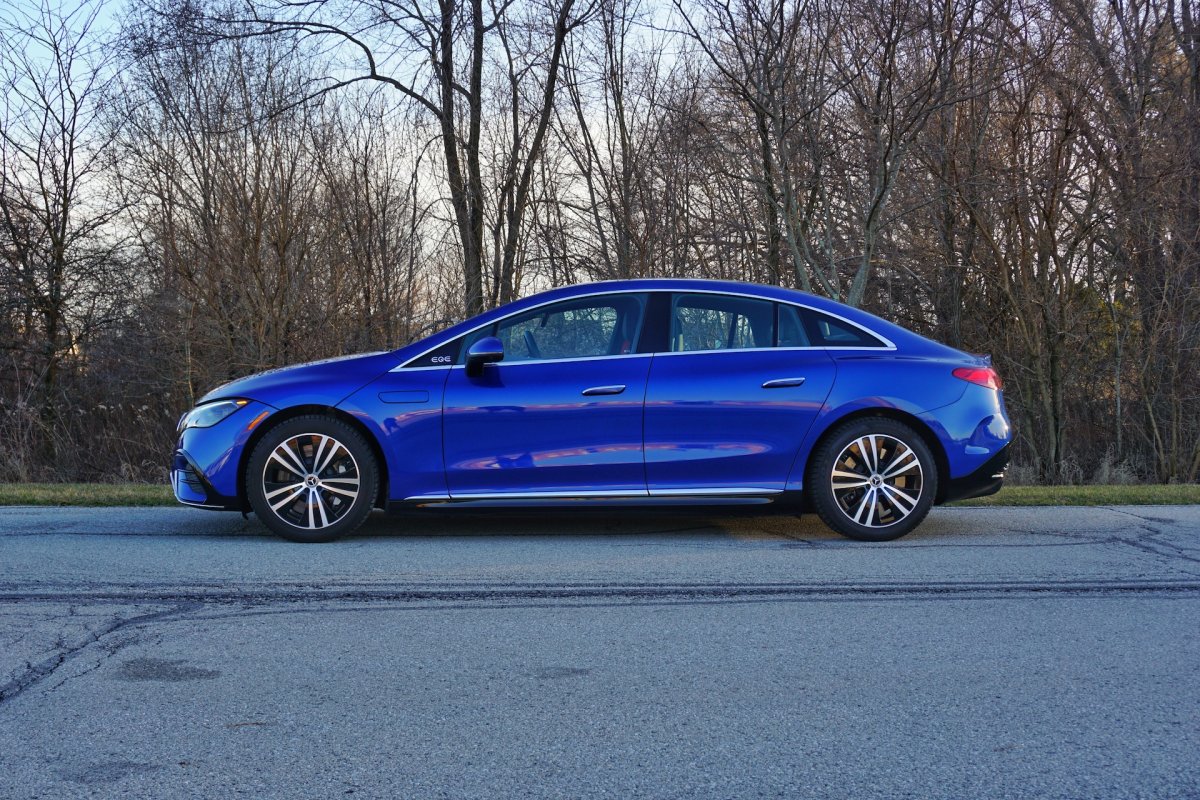
Good evening, and welcome to our evening news broadcast. In a surprising move, Mercedes has quietly relaunched its EQ electric car lineup, just months after it seemed to have phased out the models. The EQE and EQS Sedan and SUV models are once again available for U. S. dealerships to order. A Mercedes spokesperson confirmed that the company had temporarily adjusted U. S. EQ order availability last summer to align with market demand. The EQ models have a significant advantage - they're built in the U. S., specifically in Alabama, which means they're not heavily impacted by tariffs. Some key features of the EQ models include their impressive range and performance. Mercedes is set to introduce an all-electric variant of the new CLA, which boasts a more conventional design. While we don't have a release date for the updated models currently being tested, one thing is certain - Mercedes is committed to its electric vehicle lineup. The company's focus on electric vehicles is clear, and it will be interesting to see how the market responds to the relaunched EQ models. That's all for now. Thank you for joining us.

As American EV subsidies wound down last summer, we saw the simultaneous, industry-wide phase-out of many electric offerings, including the Mercedes...
Other references and insights: Check here

Steve McQueen's 2026 Motorcycle Revolution: Electrification, Innovation

The motorcycle industry approaches 2026 poised for a substantial transition, moving beyond incremental design changes and focusing on foundational reengineering. This coming model year signals that manufacturers are prepared to assume genuine risks, exploring both advanced internal combustion technologies and more compelling applications of electrification. Brands are simultaneously updating core legacy nameplates with renewed purpose and modern technology, suggesting a turning point in how performance and accessibility are delivered.

Royal Enfield Confirms Parallel-Twin Himalayan

Years of speculation concerning a larger displacement Royal Enfield adventure model are nearing resolution. For a long time, persistent rumors circulated, fueled by high-altitude spy shots captured in the Himalayas, indicating development of a parallel-twin architecture. The wait for enthusiasts demanding this twin-cylinder architecture has been substantial. EICMA 2025 offered a crucial preview, officially confirming the brand's intentions for a robust new adventure platform.

The spy shots originating from the highest peaks suggest that testing included crucial altitude adjustments. The confirmed feature list includes an upswept exhaust system, necessary knuckle guards for protection, and a dual twin-disc braking setup utilizing sliding calipers. Furthermore, the bike is fitted with a luggage-ready rear rack, emphasizing its utility as a true touring machine. Importantly, this model is anticipated to be the first Royal Enfield production motorcycle to incorporate active adjustable rear suspension, significantly enhancing rider tunability across varied terrain.

Ducati Reboots Core Monster Platform

Moving from India to Italy, Ducati is preparing the immediate launch of its much-anticipated fifth-generation Monster. This upgrade, expected as early as next month, targets refined performance and reduced mass. The Monster+ variant is projected to start at approximately US$13,995.

This new iteration relies on the powerful 890 V2 engine, which incorporates an Intake Variable Timing setup to optimize output throughout the rev range. This motor generates 111 horsepower and 67 pound-feet (91 Newton-meters) of peak torque. Ducati managed to trim 8.8 pounds (4 kilograms) from the engine assembly alone, contributing to a total vehicle weight of 386 pounds (175 kilograms).

The new chassis design offers a more accessible, lower seat height, addressing a critical consideration for a wider range of riders. Technology integration includes a 5-inch Thin-Film Transistor (TFT) display, multiple specialized ride modes (Road, Sport, Wet, Urban), lean-sensitive Anti-lock Braking System (ABS), traction control, a quickshifter, and specialized wheelie control systems.


Public Interest Survey

Which element of the anticipated 2026 motorcycle lineup is most compelling to you?

| Option | Response |
| :--- | :--- |
| A. New technologies like active suspension | |
| B. Electrification advancements (where applicable) | |
| C. Engine architecture changes (e.g., parallel-twin conversions) | |
| D. Weight reduction and enhanced power-to-weight ratios | |


Image
And just like that, we're staring at an exciting new year, possibly the year when we see a genuine turning point for motorcycles.
Other related sources and context: Visit website

Sunday, January 18, 2026

R. I. P. Versa: Elon Musk Not Needed As Nissan Axes Underperforming Sedan

Nissan has officially concluded the production of the Versa compact sedan for the United States market. This decision ends the model's presence after a nearly twenty-year run that began with significant fanfare in 2006. The Japanese automaker ceased manufacturing the Versa in December 2025.

Critical Sales Figures Define Strategic Shift

The decision follows an assessment of recent sales data. In 2025, the Versa recorded 51,310 sales, placing it at the bottom of Nissan's mass-market sedan portfolio. Sales figures were low. Among all Nissan car models, only the specialized Z and GT-R sports cars sold fewer units than the Versa.

Nissan confirmed the discontinuation in a public statement, noting that the move aligns directly with the company's evolving product strategy. This shift demonstrates a hopeful outlook toward prioritizing future models that better suit current consumer demands.

The Early Vision of 'Versatile Space'

The Versa debuted to the public with high expectations in 2006. Its name was derived from the concept of "versatile space," emphasizing practicality and maximizing interior volume within a small vehicle platform. The initial perception of the Versa was highly favorable within its category. Kelley Blue Book noted in its 2007 review that the vehicle was "billed as a 'no-compromises' value-priced offering," further stating that the sedan was "surprisingly roomy inside."

This early assessment reflected a widespread industry assumption: that a massive, enduring market for small cars priced for value would fully materialize. That predicted market volume never fully came to pass.

Confusing Cultural Footnotes

The Versa's early prominence included a somewhat silly pop culture moment. The compact sedan featured prominently in the initial season of the NBC series "Heroes." The character Hiro Nakamura specifically requested a Versa at an airport rental car counter, an incident cementing the vehicle's association with accessible and practical travel solutions. This placement remains an odd footnote in television history.

The vehicle that aimed to deliver comprehensive amenities without compromise now exits the U.S. lineup. Nissan moves forward, focusing resources on different vehicle segments that align with contemporary consumer preference.

Image
Nissan has decided to end production of its Versa compact sedan, ending a two-decade-long run for a car that was launched with great fanfare.
More takeaways: See here

# The Anatomy of Intent: A Critical Guide to Motorcycles and Their Manufacturers

| Section | Focus | Purpose |
| :--- | :--- | :--- |
| I. Introduction | The Necessity of Doctrine | Setting the stage for critical analysis of machinery and corporate intent. |
| II. Subheading 1: The Manufacturer's Signature | Heritage and Engineering Philosophy | Defining the difference between a brand and its underlying engineering ethos. |
| III. Critical Evaluation | Empathy and the Inherent Risks | Addressing the high cost, dedication, and inherent danger of motorcycle ownership. |
| IV. Subheading 2: Categorizing the Machine | Taxonomy of Motorcycle Archetypes | Classifying the primary types of motorcycles and their intended function. |
| V. How-To: Aligning Intent and Acquisition | Practical Application and Research | Step-by-step guidance on matching rider needs to specific manufacturer doctrines. |
| VI. Highlights | Core Takeaways | Bullet point summary of evaluation criteria. |
| VII. Conclusion | Optimistic Synthesis | Final statement on the value of informed choice. |
| VIII. Additional Reads | Resource List | External academic and industry resources. |


We turn now to a detailed examination of the process necessary for understanding the motorcycle market, a terrain often obscured by pure kinetic appeal and inherited romanticism. Acquiring a motorcycle is not merely a transaction; it is a declaration, a fundamental alignment with a specific engineering doctrine. The prospective owner must first learn to read the lineage etched into the frame.

#### The Manufacturer's Signature: Heritage and Engineering Philosophy

Every major motorcycle manufacturer operates not only as a company producing vehicles but as an institution upholding a deeply entrenched engineering philosophy. To understand the machine, one must first dissect the intent of its maker. This requires rigorous inquiry beyond advertising rhetoric.

A manufacturer's doctrine defines the critical path of development. Consider the historical dichotomy: some institutions prioritize absolute precision, relentless aerodynamic efficiency, and the application of cutting-edge, often volatile, technology—a doctrine dedicated to performance at the edge of the feasible. Others commit wholly to robustness, sustained low-end torque, and a deliberate preservation of aesthetic and mechanical heritage. This is the difference between purchasing a tool designed solely for speed and acquiring an artifact designed for permanence.

The identity of the rider, therefore, must conform to the identity of the brand.

  • Italian Marques (e.g., Ducati, Aprilia): Often characterized by an emphasis on specialized, high-stress components, sophisticated electronics, and a focus on track performance, demanding consistent maintenance and an engaged approach to technical understanding.
  • Japanese Conglomerates (e.g., Honda, Yamaha): Defined by their mandate for versatility, mass reliability, integrated technology, and accessible ownership thresholds. The engineering here is often optimized for global durability and market flexibility.
  • American and European Heritage Brands (e.g., Harley-Davidson, BMW Motorrad): These institutions trade heavily on legacy and specific ergonomic commitment. BMW focuses on long-distance touring capability and technical innovation in safety; Harley-Davidson maintains a commitment to the foundational V-twin cruiser architecture and its inherent sonic and tactile feedback.
This adherence to doctrine necessitates distinct development choices regarding chassis material, engine configuration, and integrated electronic aids. These decisions are irreversible once production begins.

#### Critical Evaluation: The Commitment Required

It is imperative to address the realities of this commitment before proceeding. The acquisition of a motorcycle is fraught with critical points that demand clear-eyed consideration. The financial outlay extends far beyond the purchase price, encompassing specialized insurance, safety gear that is non-negotiable, and the relentless schedule of precise, often costly, factory maintenance necessary to sustain peak operational integrity.

The commitment is profound. It mandates the acceptance of inherent risk, an environmental reality that carves away the margin for error built into passenger vehicles. This is an uncomfortable truth. The machine demands total attention, unforgiving of distraction or inadequate preparation. It is the cost of entry, this necessity of absolute vigilance.

#### Categorizing the Machine: Taxonomy of Motorcycle Archetypes

The fundamental purpose dictates the structural design. The prospective owner must move past generic descriptions and embrace the accepted taxonomy of function.

Standard/Naked: These bikes are the fundamental architecture exposed; versatile, balanced machines suitable for varied urban and short-distance use. They are defined by their ergonomic neutrality.

Cruisers: Engineered for relaxed, lower-speed touring, defined by a low seat height, forward foot controls, and a high reliance on low-end torque. They prioritize aesthetic presence and a specific sensory experience.

Sport Bikes: Built for maximal acceleration, cornering speed, and braking performance. Characterized by aggressive, forward-leaning ergonomics, high horsepower-to-weight ratios, and sophisticated suspension systems. They are complex machines demanding specialized skill.

Adventure (ADV) Bikes: Designed for multi-surface capability, utilizing long-travel suspension, robust protective shielding, and ergonomics optimized for extended touring across varied, sometimes unforgiving, terrain. A versatile, demanding class.

#### How-To: Aligning Intent and Acquisition

The process of selecting the correct manufacturer and machine is purely analytical; emotional preference must be secondary to functional requirements.

Step 1: Define Your Operational Doctrine.
Determine the primary use: Is the machine required for 80-mile interstate commuting? Dedicated track days? Weekend utility runs? The specific operational environment dictates the mandatory features. Do not compromise this definition for aesthetics.

Step 2: Research Manufacturer Heritage and Doctrine.
If the defined operational doctrine is high-mileage touring durability, reject manufacturers whose primary focus is limited-production racing technology. Research long-term owner forums for unbiased data on maintenance schedules and the availability of dealership support. Understand the manufacturer's warranty limitations and the true cost of factory replacement parts.

Step 3: Evaluate Engine Configuration Against Use Profile.
Inline-fours provide smooth, high-revving power delivery; V-twins offer immediate torque and specific acoustic qualities; parallel twins often balance economy and usable power. Match the engine's characteristic output curve to the environment in which it will be predominantly used. High-strung engines are burdensome in urban settings.

Step 4: Assess Ergonomic Fit.
Visit dealerships. Spend no less than fifteen minutes stationary on the selected machine. Evaluate the "rider triangle" (seat, bars, pegs). If the physical position is strained after a brief period, the machine is functionally incompatible for extended use, regardless of its mechanical merits. Inadequate fit leads to premature fatigue. This is a crucial safety component.

Step 5: Verify Safety Infrastructure.
Insist on contemporary safety technology. Anti-lock Braking Systems (ABS), traction control, and modern suspension mapping are non-negotiable features. These systems compensate not for recklessness, but for unexpected environmental factors.


Key Critical Highlights

  • Doctrine Trumps Aesthetics: The manufacturer's engineering philosophy must align precisely with the rider's intended operational profile.
  • The Cost of Precision: High-performance machinery often demands extremely tight maintenance intervals and specialized, expensive consumables.
  • Ergonomics are Safety: An uncomfortable machine is an unsafe machine; fatigue compromises attention.
  • The Inherent Investment: A motorcycle is a commitment of time, specialized skill, and continuous capital expenditure.
*

The complexity of the machine, the sophistication of its manufacture, and the requisite skills for its operation should never be underestimated. Yet, when the alignment between rider intent and mechanical doctrine is achieved, the resulting equilibrium offers an unsurpassed dimension of engagement. There is immense potential for personal growth found within the discipline required to master this machinery. It is an intricate, challenging path, but one rich with the promise of unparalleled focus and transportive liberty.


Additional Reads for Deeper Inquiry

  • Motorcycle Dynamics and Engineering: Relevant university-level texts focusing on chassis geometry, suspension theory, and kinetic energy management in two-wheeled vehicles.
  • Global Manufacturing Benchmarks: Industry analyses detailing quality control processes, supply chain reliability, and comparative long-term maintenance data across major Japanese, European, and American motorcycle manufacturers.
  • Safety Technology Integration Reports: Studies from organizations such as the Insurance Institute for Highway Safety (IIHS) or equivalent European bodies on the efficacy and failure rates of contemporary ABS and stability control systems.
  • The History of Internal Combustion Engine Architecture: Focused historical texts examining the evolution and performance characteristics of V-twin, inline-four, and boxer engine configurations in specific applications.

Elon Musk's Rival? Porsche's Game-Changing 2026 Macan SUV

The 2026 Porsche Macan enters the market with a starting price under $70,000, establishing a significant price difference from its high-performance siblings. This accessibility contrasts sharply with the Porsche 911, which begins at $135,500. Similarly, the Panamera sedan starts at $113,000, and the electric Taycan starts at $105,800. The Macan is positioned as the brand's most affordable new model for 2026, challenging traditional perceptions of exclusive luxury vehicle ownership while expanding the brand's competitive reach within the small luxury SUV sector.

Pricing Dynamics and Market Positioning

Porsche's Macan small SUV is the only vehicle in the current lineup with a starting price below the $70,000 threshold for the 2026 model year, providing an unprecedented entry point for consumers desiring Stuttgart engineering. The Macan is strategically slotted beneath the larger Cayenne SUV, which typically demands a considerably higher initial investment, optimizing the brand's appeal across various consumer budgets. This decisive pricing strategy suggests Porsche is actively pursuing expansion within the competitive small luxury utility vehicle segment, directly engaging rivals while retaining core performance characteristics. The ability to acquire a new Porsche model at this price point redefines market expectations for premium automotive accessibility.

Navigating the Ownership Landscape

Even with a relatively lower purchase price, potential ownership realities must be acknowledged; maintenance costs for vehicles engineered to this caliber remain substantial. Long delivery timelines persist for certain bespoke configurations, delaying immediate gratification for many customers placing early orders. Consumer confusion often centers on the nomenclature—distinguishing the foundational Macan specification from potential future high-performance variants. Significant dealer markups occasionally complicate the purchase experience beyond the Manufacturer's Suggested Retail Price. Wait lists complicate the buying process. Initial pre-orders exceeded expectations. Regulatory changes delayed final certification. Market pressures intensified. Deliveries commenced late last quarter.

Frequently Asked Questions About the 2026 Macan

What is the starting price range for the 2026 Porsche Macan?
The Macan starts under $70,000, making it the most affordable new Porsche model available for the 2026 model year.

How does the Macan compare price-wise to the Porsche 911?
The 2026 Macan starts approximately $65,500 less than the entry-level Porsche 911, which begins at $135,500.

Is the Macan an electric vehicle (EV) or traditionally powered?
Specific powertrain details vary by trim, but the Macan is currently offered in versions utilizing traditional or hybrid propulsion, with an electric transition underway for future models.

How is the Macan positioned relative to the Cayenne?
The Macan is classified as the smaller SUV in Porsche's lineup, slotted beneath the larger, generally more expensive Cayenne SUV.

Does this lower starting price reflect a decrease in Porsche quality?
The pricing reflects market strategy and segment positioning, not necessarily a compromise on the engineering standards or luxury materials for which the brand is renowned.

What segment rivals compete directly with the Macan?
The Macan competes within the compact luxury SUV segment against established models from high-end European and Asian manufacturers.

Is the Macan expected to have strong resale value?
Porsche models historically maintain strong resale value, although market factors, especially surrounding the transition to electric vehicles, continue to evolve.

Where is the Macan manufactured?
Porsche models, including the Macan, are primarily manufactured in Germany, maintaining the brand's heritage of precision engineering.

Image
Porsche's reputation is built on class and performance, not affordability. Luckily for consumers, there's one Porsche vehicle that's much less ...
Find other details related to this topic: Visit website

How To Optimize Vehicle Efficiency and Performance


The relationship between a driver and their machine is a profound covenant, a shared journey where diligence yields unparalleled reward. When a vehicle operates efficiently, it is a testament to mindful stewardship; it is an act of proactive care that prevents the slow, grinding toll of mechanical stress. Every vehicle possesses a hidden potential for optimized performance, waiting only for the precision of technical knowledge and the dedication of routine maintenance.

This is not merely inconvenience; it is erosion of resources. Every mile driven with underinflated tires or overdue fluids silently diminishes the vehicle's long-term integrity and drains financial reserves, turning kinetic energy into avoidable heat and wasted dollars.

The Heartbeat of Maintenance

Engine oil degrades. It is a critical reality that synthetic or conventional lubricants cannot indefinitely resist thermal breakdown and contamination. Regular oil analysis—not merely replacement—can reveal particulate wear and potential issues long before they manifest as catastrophic failure.

The precise molecular structure of quality lubricants ensures that internal engine components glide across each other with minimal frictional loss, translating kinetic energy directly into forward momentum rather than wasteful heat. Air filters, often overlooked, regulate the very breath of the combustion process; restricted airflow starves the engine, forcing the system to compensate inadequately, spiking fuel consumption. Inspect and replace filtration elements precisely according to the manufacturer's schedule.

The Silent Cost of Drag

Aerodynamic resistance is a powerful, persistent force that increases exponentially with speed. Consider the profile of your vehicle, the smooth flow of air over its chassis. External additions such as large, empty roof racks or unnecessary cargo carriers dramatically increase the drag coefficient, forcing the engine to expend significant effort merely to displace the atmosphere. Remove any non-essential exterior fixtures when they are not in use.

Mastering the Efficient Drive

Efficient driving is a disciplined art rooted in anticipation and measured input. Excessive acceleration translates directly into heat and expended capital. Maintain a consistent, moderate speed; identifying the vehicle's specific cruising "sweet spot"—typically between 45 and 60 miles per hour—can yield remarkable gains in miles per gallon.

Braking transforms momentum into heat—energy that is permanently lost. Drive defensively, scanning the road far ahead to anticipate necessary speed reductions, allowing the vehicle to coast rather than relying heavily on friction brakes. This technique reduces wear on the brake system and capitalizes on existing inertia.

  • Sudden stops often avoidable.
  • Excessive idling in city traffic.
  • The shudder of worn spark plugs.
  • Ignored check engine lights resulting in catalytic converter failures.

Reclaiming Lost Power

Tire pressure matters. Correct inflation pressure is fundamental to efficiency and safety, reducing rolling resistance to its absolute minimum while maintaining optimal tire contact patch for grip. Check tires monthly using a reliable gauge, ensuring the readings are taken when the tires are cold—before any significant driving heats the air within.

Spark plugs ignite the fuel-air mixture with meticulous timing. Worn or fouled plugs deliver a weak spark, leading to incomplete combustion and wasted fuel vapor expelled through the exhaust system. Replacement of these components, often involving complex ceramic and metal alloys, restores the precise, powerful explosion necessary for peak performance.


Efficiency and Maintenance Quiz: Assessing Your Knowledge

Answer these questions honestly to identify potential knowledge gaps in vehicle optimization:

  1. If your vehicle requires 35 PSI, and ambient temperature drops by 20 degrees Fahrenheit overnight, approximately how much PSI will be lost, and what impact will this have on rolling resistance?
  2. What is the specific maximum recommended load capacity of your vehicle's roof, and how does exceeding this capacity affect the vehicle's center of gravity and handling?
  3. Beyond general wear, what visual clues on a removed spark plug indicate that the engine is running consistently rich (too much fuel) or consistently lean (too much air)?
  4. How many pounds of unnecessary weight (e.g., tools, old cargo) are currently stored in your trunk or cabin, and what is the generally accepted efficiency penalty (in MPG percentage) per 100 pounds of excess weight?
  5. What is the octane rating requirement for your engine, and what specific mechanical systems are negatively affected if a lower-than-required octane fuel is utilized?

Featured Post

The Allure of Four-Wheel Drive: A Philosophy of Freedom and the Machine

The Sovereignty of the All-Wheeled Path Gravity demands obedience. When the paved assurances of the city dissolve into the whims...

Popular Posts