
The Evolution of Velocity
Numbers do not lie.
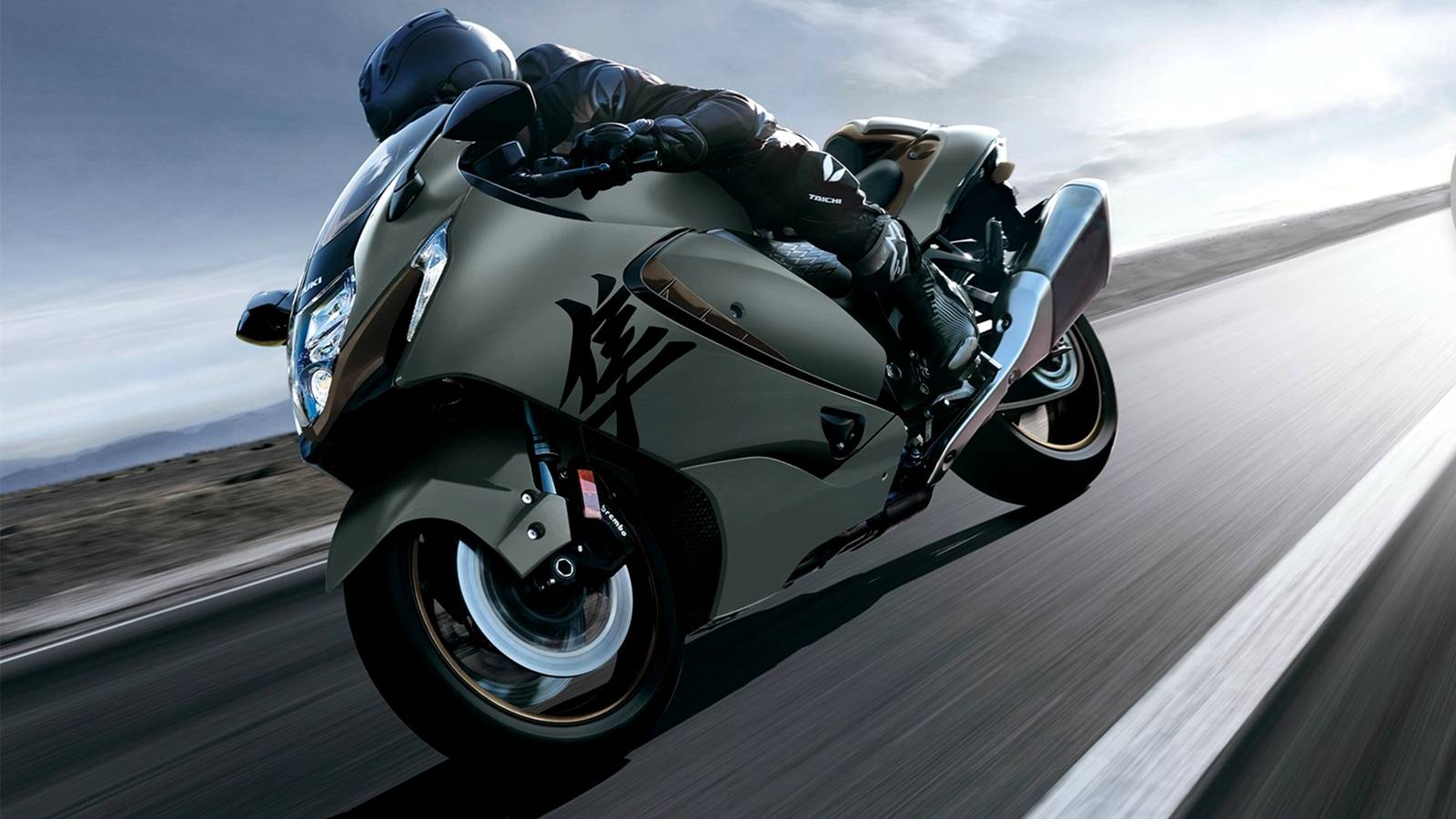
While the final decade of the twentieth century witnessed an aggressive arms race among Japanese manufacturers to claim the title of the world's fastest production motorcycle, the contemporary market has pivoted toward a paradigm where accessibility and electronic sophistication matter just as much as raw top-speed statistics. The Suzuki Hayabusa remains the definitive symbol of this era because it secured the speed crown exactly when the industry shifted its focus away from unrestricted velocity toward regulated performance limits.
Comparing the Heavyweights
Context is everything here.
The Kawasaki Ninja ZX-14R currently offers a higher displacement and a more competitive price tag than its Suzuki rival, yet it lacks the comprehensive suite of modern rider aids that allow the Hayabusa to transition seamlessly from a drag strip titan to a composed highway cruiser. Suzuki's decision to implement a ride-by-wire throttle system in the third generation has transformed a legendary 1,340cc powerhouse into a remarkably predictable instrument that rewards skilled riders without punishing minor technical errors.
Luxury and Longevity
Refinement wins the day.
European alternatives like the BMW R 1300 RS prioritize build quality and ergonomic luxury over the sheer horsepower figures found in the Japanese hypersport category, providing a distinct value proposition for riders who value long-distance comfort and sophisticated suspension geometry. Even the aging Yamaha FJR1300 persists in the 2024 lineup as a testament to the enduring appeal of the sport-touring platform, proving that a smooth power delivery and electronic suspension adjustments can keep a design relevant decades after its initial debut.
Zoom Out
The landscape has changed.
If we examine the historical trajectory of motorcycle development, the obsession with the 200-mile-per-hour barrier has been replaced by a quest for a more holistic riding experience where the integration of traction control, motion sensors, and customizable power modes ensures that massive engines remain usable in everyday scenarios. This shift indicates a maturing market that celebrates the heritage of high-performance engineering while embracing the technological safety nets that make such extreme machinery practical for a wider demographic of enthusiasts.
The incentives
Utility drives the purchase.
Consumers are increasingly gravitating toward these high-displacement machines because they provide a unique combination of effortless overtaking power and mechanical durability that smaller, high-strung engines simply cannot replicate over thousands of miles of ownership. The primary incentive for choosing a modern Hayabusa or its peers is the psychological comfort of owning a legendary performance icon that now possesses the digital intelligence to be as docile or as aggressive as the current road conditions demand.
 Find other details related to this topic: See here


No comments:
Post a Comment