
The Silicon Testimony
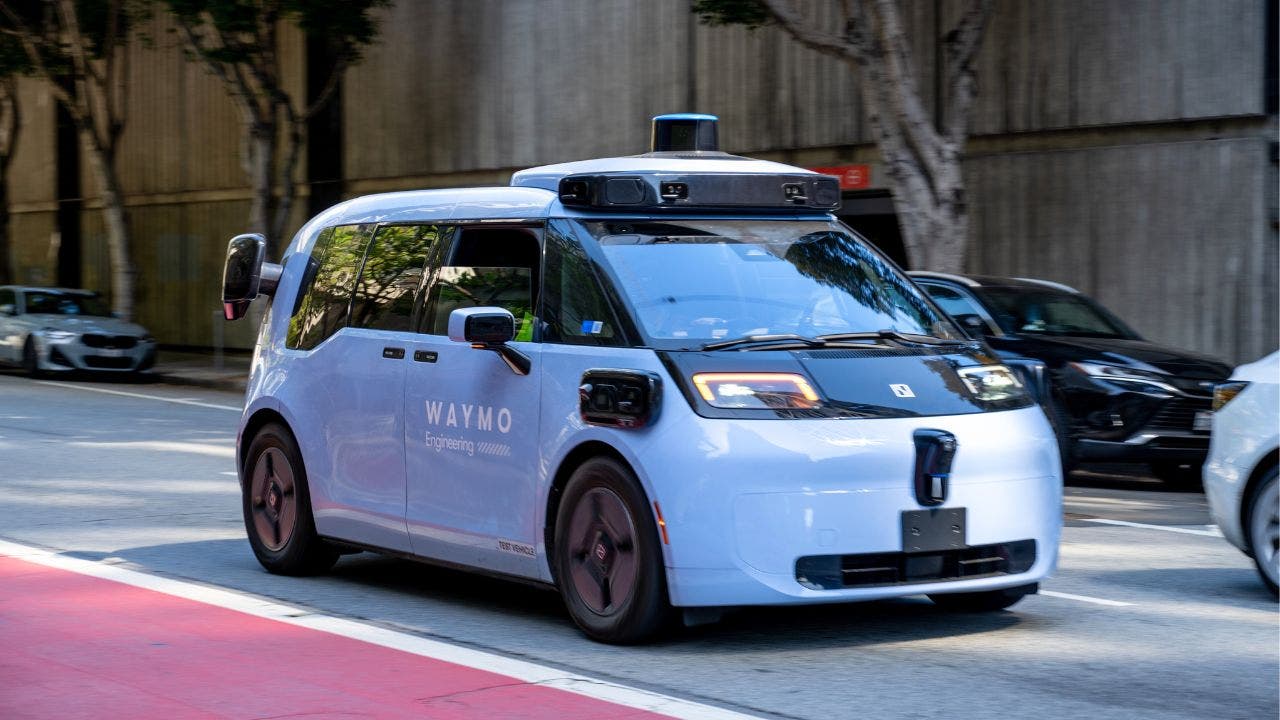
The architects of the driverless horizon prepare to speak. As the morning light stretches across the polished mahogany of the Senate Commerce Committee room, executives from Waymo and Tesla arrive to defend the invisible hands that now steer cars through the labyrinthine streets of the American republic. They carry the weight of a billion lines of code. They seek a mandate. While the National Highway Traffic Safety Administration examines nineteen instances of vehicles passing stopped school buses in the city of Austin, the industry proponents remain anchored in the belief that their machines offer a sanctuary of precision in a world of human distraction.
The Calculus of Progress
Sensors never tire. In the quiet corridors of power, the conversation shifts from the mechanical roar of the twentieth century to the silent, pulse-based navigation of the twenty-first, where 400,000 weekly trips serve as a vast, digital testament to a future that has already arrived in the form of white Jaguars gliding through the haze of Santa Monica. The machines are learning. Justin Kintz, the man charged with explaining these ghosts in the machine to the wary guardians of federal law, views the occasional friction of the real world as a series of edge cases that ultimately refine the safety of the whole.
Zoom In
Precision defines the defense. Kintz points specifically to a collision in Santa Monica where the Waymo vehicle, perceiving a pedestrian with a speed no human eye could match, dropped its velocity from seventeen miles per hour to a mere six before impact occurred. The machine chose the lesser blow. By contrast, internal models suggest an attentive human operator would have struck the individual at fourteen miles per hour, a difference in force that separates a bruised recovery from a life-altering tragedy. It is a narrative of mitigated harm. Every mile logged by these autonomous sentinels becomes a lesson stored in a collective silicon memory, ensuring that a mistake made in Texas prevents a disaster in California.
The Outsider's View
The sidewalk observer watches with a mixture of awe and distance. To the commuter standing on a corner in Phoenix, the driverless car is a sleek, unreadable neighbor that obeys stop signs with a mathematical devotion that feels almost eerie in its perfection. Trust builds slowly. While the federal government weighs the necessity of uniform regulation, the average citizen sees not a policy debate, but a gradual metamorphosis of the curb, where the frantic gestures of human drivers are being replaced by the rhythmic, amber blink of a computer making a turn.
Public Integration Survey
The following data reflects the current national temperature regarding the integration of autonomous systems on public roads.
- Support for Federal Regulation: 67% of respondents favor a unified national framework over a patchwork of state laws.
- Perceived Safety: 52% of urban residents believe autonomous vehicles will be safer than human drivers within the next five years.
- Adoption Rate: 41% of participants express a willingness to utilize a driverless taxi service for their daily commute.
- Infrastructure Optimism: 58% believe AI integration will significantly reduce traffic congestion in major metropolitan hubs.
The hearing continues. Under the watchful eyes of the committee, the leaders of Waymo and Tesla offer a vision of a world where the steering wheel is a relic and the road is a field of pure, predictable data. They wait for the law to catch up. The technology does not pause for the gavel.
 Other related sources and context: See here


No comments:
Post a Comment