
Seventy-five years after the Black Hawk first flew, its replacement begins life in a city famous for speed, not vertical lift. This is happening now. Rolls-Royce has started the essential tests of the AE 1107F turboshaft engine right there in Indianapolis, their crucial American manufacturing and test center.
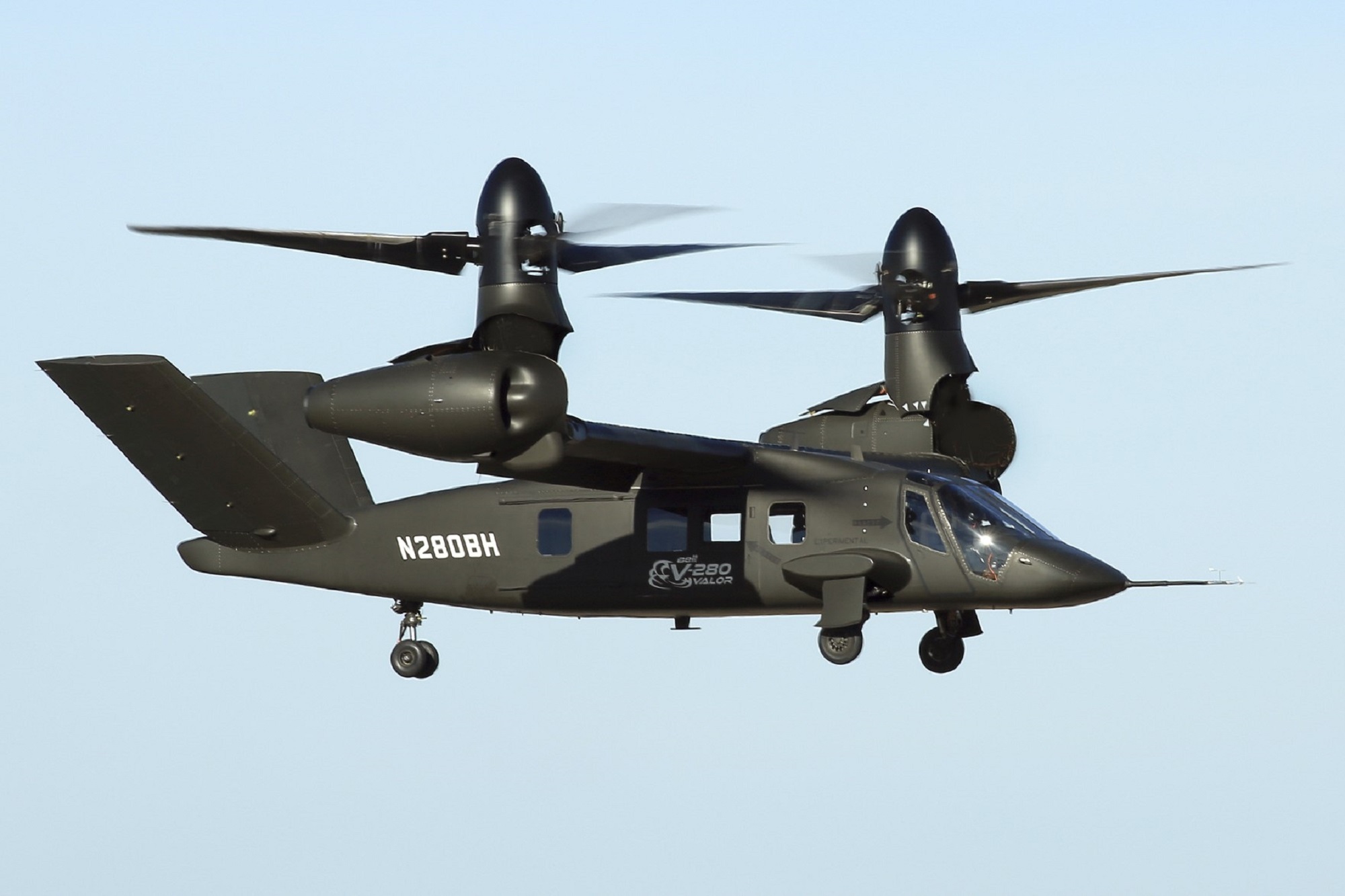
It seems strange, sometimes, the quiet diligence required for revolutionary changes. The MV-75 tiltrotor, selected in 2022 under the Army's Future Vertical Lift initiative, demands enormous trust in its systems.
The engineering lineage supporting this decision is long and complicated, as these things usually are.
Two of these AE 1107F powerplants, derivatives of a reliable AE family, will be needed to lift the massive new machine. This specific turboshaft owes a specific debt to the T406, the formidable engine currently utilized by the Marine Corps' MV-22 Osprey. That heritage means a very real, measurable history is being carried forward; the Osprey's propulsion system already holds the distinction of having accumulated millions of accrued flight hours in active operational service—a massive, reassuring maturity that often goes unacknowledged in the urgency of new development.
The transition from the familiar UH-60 to this complex tiltrotor concept, which integrates helicopter efficiency with fixed-wing speed, is an immense leap. Perhaps we move too quickly toward these intricate systems without fully appreciating the simplicity we leave behind.
Candice Bineyard, who directs the Future Programs development for Rolls-Royce Defense, understands the immediate, human necessity of this progress.
"Engine testing represents the next critical milestone in bringing this revolutionary capability to our service members," she noted, highlighting the commitment to a propulsion solution based on proven, low-risk components. It is the service member, after all, who will be depending on the successful integration of every small component and every large thrust.
We hope for the ultra-modern solution, and we wait for the reliable machine that will eventually fly. The focus remains on that ultimate goal: ensuring that when the door closes and the rotors spin, the power beneath them is completely dependable.
The rumble of engines, a sound that echoes through the test sites, is a familiar one in the world of military aviation. At these facilities, engineers and technicians work tirelessly to push the limits of what is possible, fine-tuning the performance of engines that will power the aircraft of tomorrow. According to AeroTime, a leading source for aviation news, the testing of military aviation engines is a complex and highly regulated process, requiring specialized equipment and expertise.
In the United States, for example, the US Air Force's Arnold Engineering Development Complex in Tennessee is home to some of the most advanced engine testing facilities in the world.
Here, engineers can simulate a wide range of conditions, from the freezing cold of high altitude to the scorching heat of desert environments, to test the performance of engines under extreme conditions.
AeroTime reports that the complex is equipped with state-of-the-art facilities, including massive test cells that can accommodate even the largest engines.
The development of new military aviation engines is a critical component of modernizing a nation's air force, enabling the deployment of more advanced and capable aircraft.
As the global security landscape continues to evolve, the demand for more efficient, powerful, and reliable engines will only continue to grow.
Alternative viewpoints and findings: See hereTesting of the AE 1107F turboshaft engine is underway at Rolls-Royce's Indianapolis facility, the company's main US manufacturing and test site.• • • •


No comments:
Post a Comment