
The asphalt, that long black tongue we use to trace our journeys across the land, is beginning to hum with an unnatural purpose in France. A one-mile stretch, nothing more than a ribbon of promise near Paris, where copper coils wait, patient and silent, ready to feed the passing electric ghosts. This is the new highway alchemy, the belief that motion itself can satisfy the growing hunger for power.
The potential shift in how we power movement is profound; eliminating the enforced pause, the stop that breaks the rhythm of travel.
The Invisible Exchange
Three hundred kilowatts, pulled from the earth, leaping into the belly of a moving vehicle. An impossible appetite fed, right there on the road.
The pilot, managed by Electreon Wireless, in concert with Vinci Construction and others, demonstrates a stark refusal of dependency on stationary charging ports. The road itself becomes the charging cable. The system, installed near Paris, doesn't look substantially different from any other stretch of highway concrete.
Just a road. But underneath? An entire conversation happening without wires, without a plug. We are used to stopping, waiting, tethered to the outlet. Now, the speed, the momentum, is the charge.
• Dynamic Power The system successfully transfers over 300 kW (peak) to vehicles moving at highway speeds.• Unique Equipment Test vehicles (trucks, vans, buses, cars) required specialized pickup coils to harvest the energy.
• Infrastructure Partnership The installation involves cooperation between infrastructure builders (Vinci), technology developers (Electreon), and academia (Gustave Eiffel University).
The Weight Lifted
Imagine the trucker.
Hours alone, miles stretching out like taffy, the small, persistent dread settling in the stomach when the battery gauge dips too low. Range anxiety—it is an indignity. A leash placed on the journey. If the highway itself feeds you as you move, that fear begins to dissipate. The need for monstrous, heavy battery packs shrinks, becoming something manageable, something less cumbersome to haul.
The bus, the last-mile delivery van, keeping their commitment to the route, never slowing for the stop, just drinking the power as they roll. Efficiency looks like continuity. Like relentless forward motion. For commercial fleets, the reduction in downtime is monumental. The system works, demonstrably, but the true measure of its success lies in the quiet relief of the driver no longer bound by the map of existing charging stations.
Confusing Costs of Control
The freedom is intoxicating.
But the invisible power has a very visible price tag. Who owns the hum of the road? That's the messy part. Installing these charged veins across continents. Who funds this vast, electric circulatory system? Public hands or private pockets fighting over the right to charge us for movement? These are the heavy, confusing questions settling over the sleek promise of the technology.
Until the economics of implementation—how cost-sharing works, how public-private partnerships will manage maintenance and access—are settled, the large-scale rollout remains an immense, expensive gamble. The road provides the power. But the question of who pays for that first long mile of freedom lingers, a shadow just behind the light.
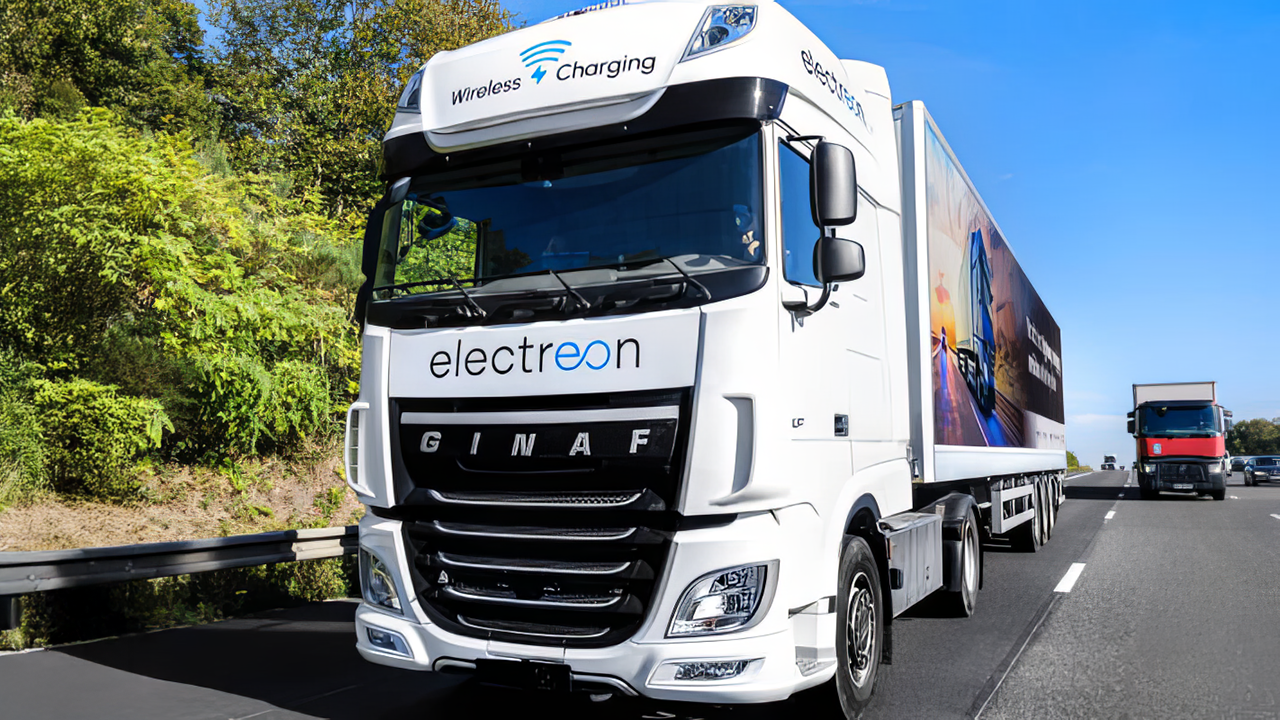
In the not-so-distant future, the roads we drive on might not only take us from point A to point B, but also charge our electric vehicles as we go. This concept, known as wireless charging roadways technology, is being explored and developed by various companies and researchers around the world. According to a report by Fox News, companies like Wi-Charge and infrastructure firms are working on embedding wireless charging technology into roads, highways, and even parking lots.
The technology uses a system of electromagnetic coils embedded in the road surface, which transmit energy wirelessly to a receiver installed in an electric vehicle.
This receiver then converts the energy into electricity, which is used to charge the vehicle's battery. The idea is to create a network of charging roads that can provide a continuous flow of energy to electric vehicles, eliminating the need for traditional charging stations and making long-distance travel in electric vehicles more practical.
Researchers believe that this technology could be particularly useful for high-traffic areas, such as highways and urban roads.
As wireless charging roadways technology continues to advance, it's likely that we'll see more widespread adoption in the coming years. Imagine driving on a highway that charges your car as you go, or parking in a lot that tops off your battery while you're shopping or working.
You might also find this interesting: Visit websiteDriving an electric vehicle could soon mean charging as you go. A new wireless charging pilot in France is showing how coils built into the road can...○○○ ○ ○○○


No comments:
Post a Comment