
The acquisition of a franchised automotive dealership by Carvana, the digital enterprise known for its multi-story Vending Machine infrastructure and streamlined online sales, represents a significant ideological pivot. This transaction, involving a Chrysler, Dodge, Jeep, and Ram (CDJR) dealership in San Diego, places the used-car giant squarely within the regulated, intricate mechanism of the new car market.
It is a necessary collision of the hyper-digital and the staunchly corporeal, forcing a re-evaluation of what constitutes a modern car transaction.
The Algorithm Meets the Assembly Line
Carvana, an entity built upon the premise of inventory centralization and the abolition of the traditional dealership negotiation ritual, has now formally joined the club it once sought to dismantle.
The complexity inherent in selling a new vehicle—constrained as it is by Original Equipment Manufacturer (OEM) directives regarding geographic territory, pricing, and precise warranty fulfillment—stands in direct contrast to Carvana's established model of fluid, cross-state inventory movement. They must now contend with the Manufacturer's Statement of Origin (MSO), that crisp, untarnished document certifying a vehicle's virgin status, a bureaucratic tether that anchors the digital seller to the local, mandated franchise system.
This is the ultimate confusing aspect: how does an avatar of decentralized convenience operate effectively under rules designed for geographical retail monopolies?
The move is less about efficiency and more about possibility. Used vehicles, those delightful ghosts of previous drivers, offer inventory flexibility; new cars do not.
Each new Jeep Wrangler or Ram 1500 carries the exact weight of its factory specifications and its pre-determined margin structure. This specific dealership, nestled in San Diego, now serves as the strange, hybrid crucible where digital finance paperwork must marry the mandatory, physical pre-delivery inspection (PDI). It is a marvelous, almost whimsical irony: the company that championed the effortless click is now responsible for the deeply empirical task of ensuring that the oil level is correct on a brand-new Hellcat, a vehicle whose very existence defies quiet, streamlined purchase.
Where the Paperwork Resides
The conventional dealership has always been a repository of sensory experience: the smell of fresh leather, the blinding glare of polished paint, the resonant thud of a closing door.
It is also, crucially, the mandated physical location for the transfer of titles and the signing of intricate disclosures. Carvana's genius was eliminating the hours of waiting required for the final signature. Now, that digital efficiency must integrate with the very specific requirements levied by Stellantis, the parent company of CDJR brands.
Consider the unique inventory now under Carvana's digital umbrella: the high-performance Dodge Charger, the rugged, almost geological endurance of the Ram pickup, the ubiquitous utility of the Chrysler Pacifica minivan.
These vehicles are not interchangeable commodities; they possess deep, established brand identities that resist being reduced to mere pixelated images on a scrolling webpage. The purchase of a new vehicle often involves bespoke choices—the specific axle ratio, the preferred decal package, the requested upholstery type—decisions that feel deeply personal, demanding a human interface often excluded by the pure vending machine concept.
How will the impersonal digital kiosk provide the necessary hand-holding for someone customizing a $70,000 off-road vehicle? It is an expansion that suggests Carvana understands that certain transactions still require the comforting weight of a building, a fluorescent-lit office, and the definitive sound of a staple punching through thirty pages of mandatory disclosure.
The glass tower still beckons, but now the floor below must have space for the mandatory parts department and the official dealer stamp.
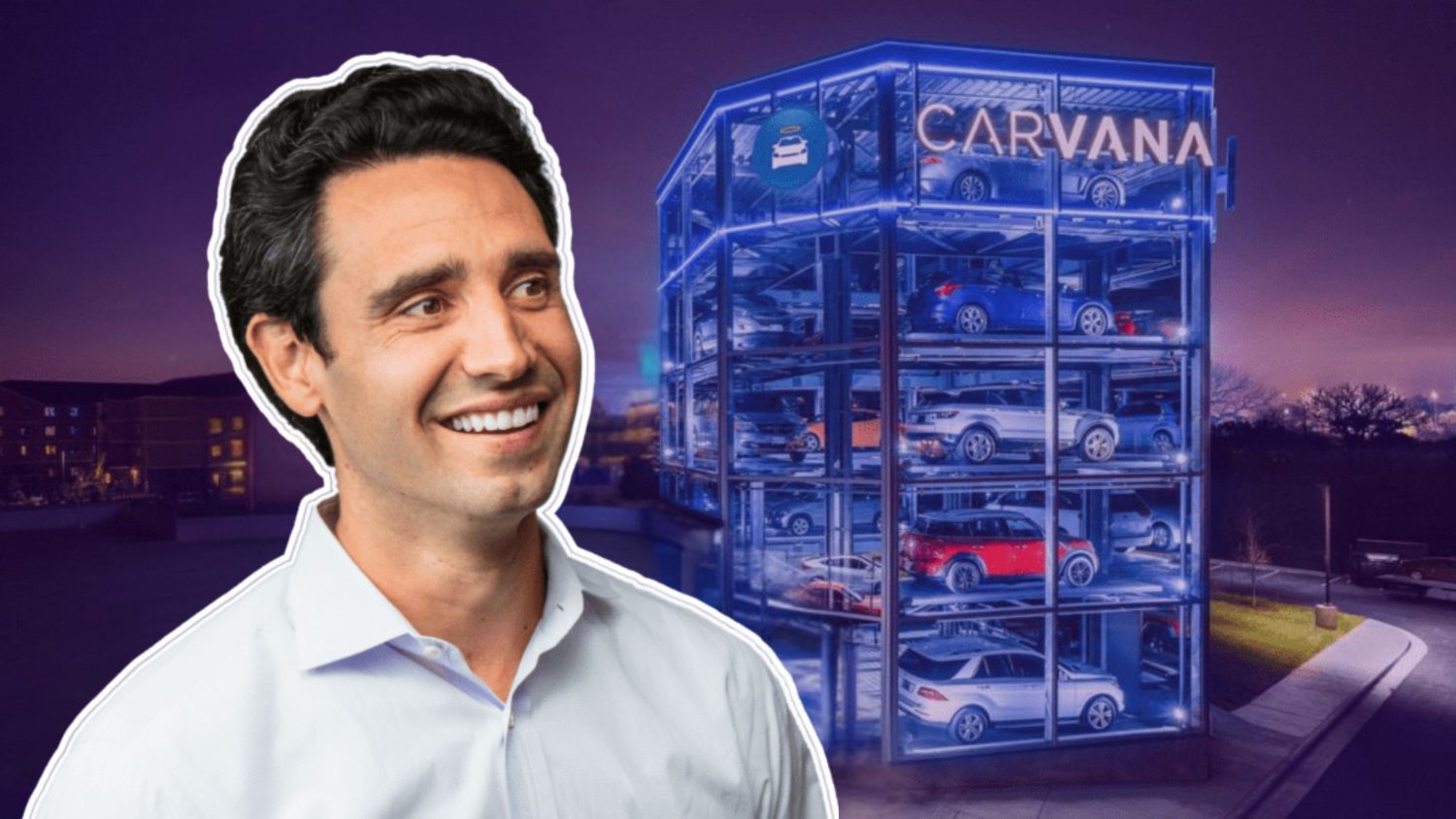
In a bold maneuver, Carvana, the online used-car retailer, has set its sights on a new venture. The company, known for its car vending machines and seamless online shopping experience, is expanding its services to include a new type of retail space. This latest development marks a significant shift in Carvana's business strategy, as it seeks to bridge the gap between online and offline car buying.
The new retail concept, dubbed "Carvana Retail," aims to provide customers with a unique and immersive car-buying experience. The spaces, which will feature sleek and modern designs, will allow customers to browse and test drive vehicles in a more traditional retail setting.
According to Carvana, the goal of these new retail spaces is to provide customers with a more personalized and engaging experience, while also showcasing the company's extensive inventory of high-quality used vehicles.
As reported by CBT News, Carvana's foray into brick-and-mortar retail is a strategic move to cater to customers who still prefer to interact with products in person.
By offering a hybrid approach that combines the convenience of online shopping with the tactile experience of a physical retail space, Carvana is poised to disrupt the traditional car-buying model. With its innovative approach and commitment to customer satisfaction, Carvana is well-positioned to continue ← →
Find other details related to this topic: Visit websiteCarvana expands beyond used cars with a San Diego Chrysler, Dodge, Jeep, Ram dealership, blending online convenience with a physical presence.• • • •



No comments:
Post a Comment