
The subtle, high-frequency hum of capacitors charging, a sound entirely absent from the internal combustion epoch, sets the stage for this quiet, unsettling revolution. It is not the bellowing arrival of a new god, but the soft-shoed entrance of an entirely different physics, one where mechanical identity is ceded to algorithmic control and instantaneous torque. The soundscape of the modern city—long ruled by the chaotic percussion of four-stroke engines, the roaring theater of hydrocarbon expansion—is yielding to a near silence, punctured only by the necessary whine of the tires on asphalt and the amplified lamentations of pedestrians startled by this sudden, silent mass. This metamorphosis is occurring not in the exterior shell, which often retains the nostalgic contours of its gasoline-burning ancestors, but in the dense, compressed geography of the battery pack below and the distributed intelligence that governs electron flow.
The primary advancement defining this shift lies in the alchemical pursuit of greater energy density within the lithium-ion matrix. Today's sophisticated packs rely heavily on Nickel-Manganese-Cobalt (NMC) chemistries, relentlessly adjusting the ratios, pushing the nickel content higher to unlock greater volumetric efficiency, while simultaneously battling the inherent instability this presents. Conversely, in the pursuit of durability and lower cost, the return to Lithium Iron Phosphate (LFP) cells—often characterized by their lower range but remarkable resilience and diminished cobalt dependence—marks a fascinating ideological schism within the manufacturing base. Engineers speak not merely of miles per charge, but of intricate, multilayered thermal management systems: liquid-cooled labyrinths ensuring that the chemistry remains in its optimal, cool state, preventing degradation that once crippled early electric vehicles. These cooling and heating circuits are arguably as complex and essential as the motor itself, a hidden circulatory system critical to battery longevity.
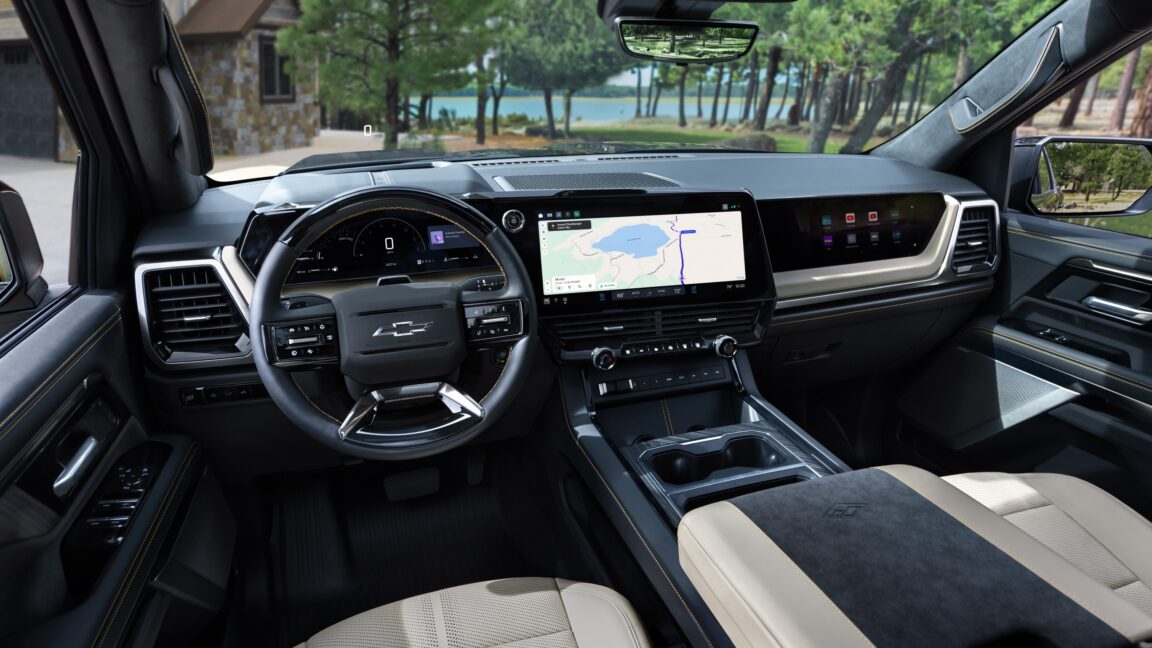
Yet, to focus exclusively on the battery is to miss the bewildering shift in automotive architecture. The electric vehicle is not a machine adapted to electricity; it is a computer built upon wheels. The "skateboard" chassis popularized by new manufacturers divorces the motive components from the passenger cell, creating profound flexibility in cabin design—a space where the transmission tunnel vanishes, freeing up surprising volume. This is complemented by the high-voltage architectures, notably the push toward 800-volt systems utilized by vehicles like the Porsche Taycan and the Hyundai Ioniq 5, which dramatically reduce charging times and copper consumption, forcing the rapid overhaul of public charging infrastructure. A confusing duality emerges: the vehicle's steel and aluminum structure is designed for decades of durability, while its integrated silicon—the microchips governing infotainment and autonomous capability—faces obsolescence cycles measurable in mere years.
Perhaps the most disruptive capability is the integration of bi-directional charging (V2G, or Vehicle-to-Grid). This transforms the passenger car from a consumer of energy into a massive, mobile, domesticated storage unit. When connected, the vehicle does not simply take; it can give back, feeding excess power to the home or the grid during peak demand. This capability elevates the electric car from a mere transportation device to a key piece of energy infrastructure, blurring the distinction between domestic appliance and conveyance. Instantaneous metamorphosis: the car receives an over-the-air (OTA) software update while parked, subtly adjusting its regenerative braking profile or optimizing its heat pump efficiency, becoming materially and functionally *better* overnight—a trick impossible for the fixed, mechanical identity of the ICE vehicle. Torque arrives silently, a sudden, seamless shove; a force measured not in gear ratios, but in the immediate, raw mathematics of electron availability. Range anxiety, though diminishing, remains a cultural anchor, tethering the future to anxieties rooted firmly in the past.



No comments:
Post a Comment