
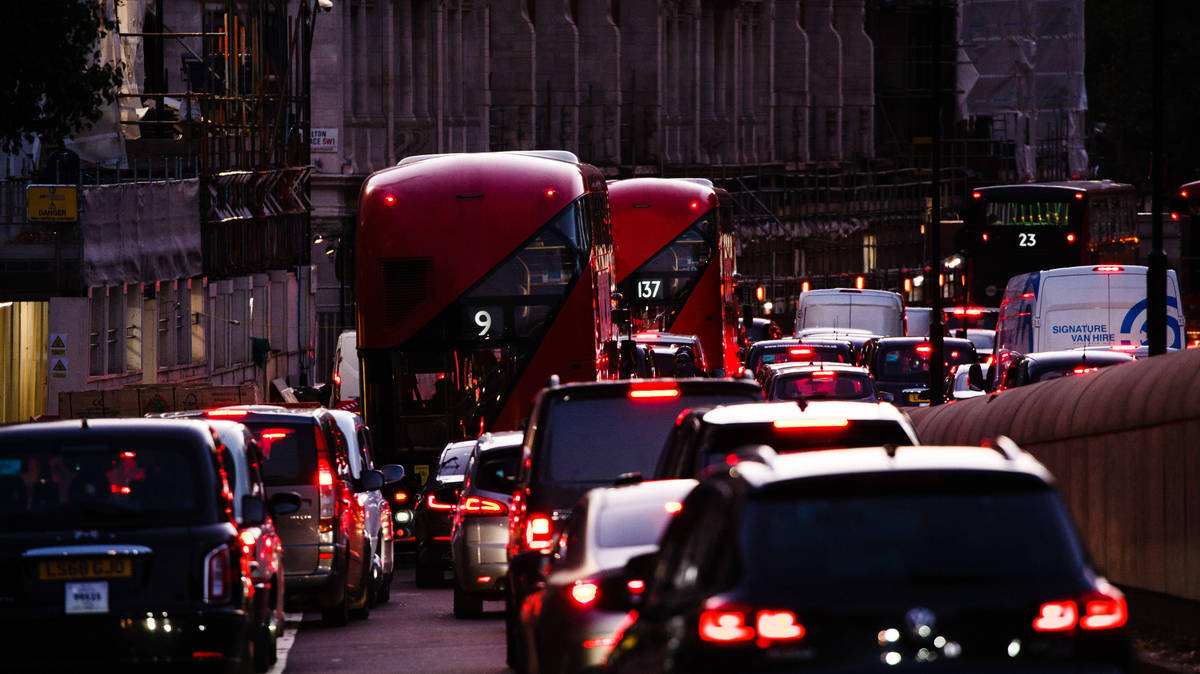
Eighteen pounds sterling is a sturdy sum. It's the cost of merely passing through a particular geographical boundary in the city, an action that London's governing bodies clearly prefer you did not undertake. The relationship between the capital and its motorized populace, always a tangled hedge maze of intent and infrastructure, just became significantly more thorny, particularly for those who thought they had finally located the sustainable exit.
The congestion charge, that financial deterrent meant to slow the hurried pulse of the inner zone, is slated to balloon to £18 from January 2, bringing with it a confounding promise of subsequent annual rises pegged precisely to the escalator mechanism of Tube fare increases.
The justification offered is utilitarian, rooted in preventing urban paralysis: sustaining the current framework, they calculate, would invite approximately 2,200 additional vehicles into the central zone on an average weekday.
Preventing gridlock is a necessary calculus. But policy, like gardening, often requires careful tending to its specific roots. When TfL staff assure the public that substantial incentives will remain for those who shift to cleaner transportation, the statement lands with a peculiar lack of conviction given the simultaneous retreat from existing environmental promises.
The Green Paradox
Where does one park hope when the very rules intended to encourage green decisions are recalibrated?
Early adopters, those valiant citizens who wrestled with range anxiety and often higher purchase prices for their battery-powered vehicles, are now watching their 100 per cent exemption dissolve. It is a confusing kind of reward system. They bought into the vision of cleaner air and lessened burden, yet the clean air permit is set to become only a 25 per cent discount on the daily fee for electric cars.
The rules shift underfoot.
For the workhorses of urban logistics—the electric vans and lorries that keep the city humming—the change is marginally gentler, providing a 50 per cent break. Yet, the overall shift feels less like thoughtful encouragement and more like financial harvesting. It speaks to the frustrating speed with which public policy can revoke a previously celebrated virtue.
Layered Financial Hurdles
London has evolved into a labyrinth of financial hurdles designed to manage movement.
The complexity for drivers is now immense, far exceeding the cost of the C-Charge alone. A vehicle driver navigating the city is forced into a daily audit of fees.
• Congestion Charge (C-Charge) Increased to £18 daily.• Electric Car Discount Reduced from 100 per cent exemption to 25 per cent discount.
• Electric Commercial Vehicle Discount Reduced to 50 per cent discount for vans and lorries.
• Future Increases Annual rises tied directly to rises in Underground fares.
• ULEZ Levy An additional £12.50 daily fee for vehicles that do not meet low emission standards.
• Tunnel Tolls Separate tariffs for using the Silvertown and Blackwall Tunnels, ranging from £1.50 to £4 per trip.
It is critical to note that even the cleanest vehicles cannot escape the financial gravity entirely. The driver who has paid the premium for an EV to avoid the ULEZ and the C-Charge penalty now finds themselves penalized by the very success of the environmental movement. TfL's argument for necessary control is understandable—if we want the city to thrive, congestion must be managed—but the method feels less like careful stewardship and more like the simultaneous harvesting of several separate orchards, ensuring every trip extracts its pound of flesh, regardless of its carbon footprint.
In 2003, when London first introduced its Congestion Charge, the city's residents and visitors alike were skeptical about the impact of a daily fee on driving in the heart of the city. The brainchild of then-Mayor Ken ---stone, the charge was designed to reduce traffic congestion and encourage the use of public transportation.
Fast forward to today, and the Congestion Charge has undergone several changes, including a recent hike in fees.
The latest increase, which took effect in June, sees drivers paying £11. 52 per day to navigate the designated zone between 7 am and 6 pm, Monday through Friday. This represents a significant jump from the previous rate of £11. The move has been met with criticism from some business owners and commuters, who argue that the increased cost will disproportionately affect those who rely on their vehicles for work or daily errands.
However, proponents of the charge argue that it will help to reduce congestion and encourage more sustainable transportation options.
According to lbc. co. uk, the increased revenue generated by the charge will be used to fund improvements to London's transportation infrastructure. As the city continues to grapple with the challenges of urban congestion, the Congestion Charge --- a contentious issue.
Other references and insights: See hereThe price increase will take effect from January 2 and there will be annual increases in line with the rise in Tube fares coming in each subsequent ...• • • •



No comments:
Post a Comment