
You have observed the machinery of large-scale government procurement long enough to know the peculiar rhythm of its breath—that deep inhale of necessity followed by the tentative exhale of strategic recalculation. This is the enduring paradox: the initial contract is signed, the steel is ordered, yet the future requirement shifts like desert sand.
The commitment remains rigid for the vehicles already sanctioned, but the long view is fractured, creating a tension where factory schedules clash with strategic planning sessions hundreds of miles away.
The Immediate, Tangible Output
The critical path for AM General rests solely on the existing contractual volume for the Joint Light Tactical Vehicle A2 variant.
Production continues regardless. The company has publicly confirmed its industrial pace aligns precisely with the fielding goal targeted for the second half of 2026. This date represents a hard boundary in the immediate timeline. The physical evidence is undeniable: reports confirm that at the facilities in South Bend and Mishawaka, Indiana, the trucks are accumulating, a metallic testament to current obligations.
You can drive by and witness "a whole bunch of JLTVs parked in the parking lot that are built."
The contrast between this steady output and the Army's evolving fiscal strategy provides a curious spectacle. The decision to curtail future JLTV procurement is a signal about portfolio reallocation—a shifting away from projected full-fleet replacement numbers.
This necessary financial reassessment, however, does not erase the current requirement. The workers on the line are fulfilling a requirement established years ago, their focus necessarily narrow and immediate, fixed upon the current chassis moving through the bays. The implications of reduced future orders—the potential cooling of the assembly lines later this decade—hang abstractly above the noise of current welding and assembly.
The Bureaucratic Footprint
The JLTV program itself represents a highly evolved successor to the previous generation of light tactical vehicles, incorporating enhanced protection and network capabilities.
The shift to the A2 variant, now under AM General's stewardship, required a complex transition, involving meticulous data transfer and validation. The success of the 2026 fielding will not be measured by speculative necessity but by verifiable delivery numbers and required operational capabilities in the field.
Meeting this timeline establishes competence in execution, a vital metric independent of later budgetary adjustments.
Production Metrics
* AM General is currently in active production of the JLTV A2 variant. * The established fielding goal is the second half of 2026. * Production occurs at facilities located in South Bend and Mishawaka, Indiana. * The Army is planning to reduce procurement volumes beyond the current order. * Current output reflects binding contract fulfillment, not future procurement intent.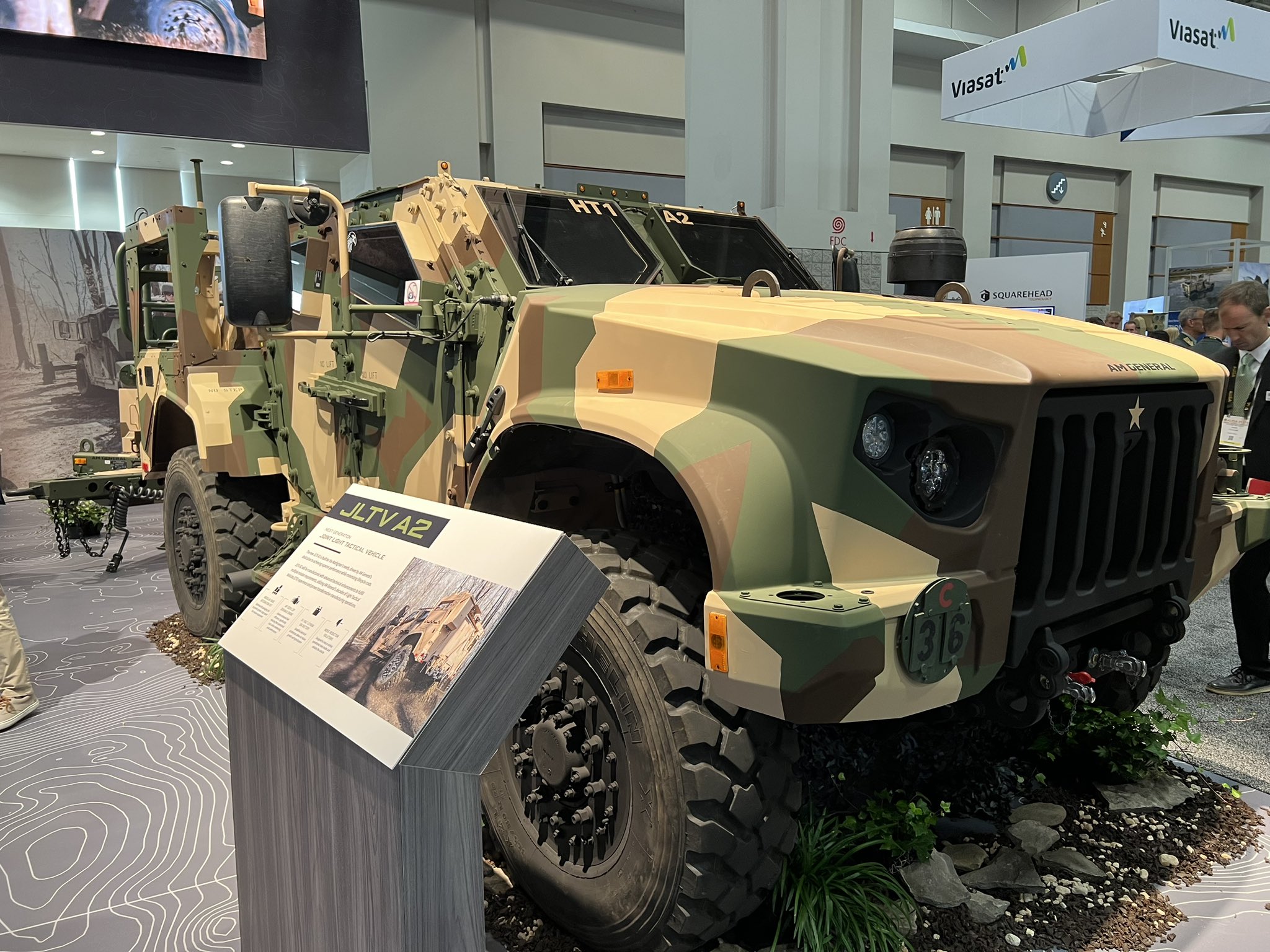
The landscape of military vehicle production is shifting, with various nations investing heavily in modernizing their arsenals. In the United States, defense contractors such as Lockheed Martin and Northrop Grumman are working on advanced combat vehicles, including the Army's new Optionally Manned Fighting Vehicle (OMFV). This next-generation armored vehicle is designed to provide enhanced protection and firepower, while also incorporating cutting-edge technology such as autonomous systems and advanced sensors.
Meanwhile, in Europe, countries like Germany and France are collaborating on the development of a new generation of armored vehicles, including the European Main Battle Tank (EMBT). This joint project aims to create a highly advanced and adaptable tank that can operate effectively in a variety of environments.
The EMBT is expected to feature advanced armor, a powerful 120mm gun, and a sophisticated fire control system.
Other nations, such as South Korea and Japan, are also investing in their own domestic military vehicle production programs, with a focus on developing advanced technologies such as unmanned ground vehicles and autonomous systems.
As the global military vehicle market continues to evolve, industry leaders are closely watching developments in areas such as electrification, autonomous systems, and advanced materials.
For more information on the latest trends and updates in military vehicle production, Defense Daily provides ← →
Here's one of the sources related to this article: Visit websiteAs the Army plans to curtail future Joint Light Tactical Vehicle (JLTV) procurement, AM General has confirmed it remains on track to meet an initial...○○○ ○ ○○○


No comments:
Post a Comment