
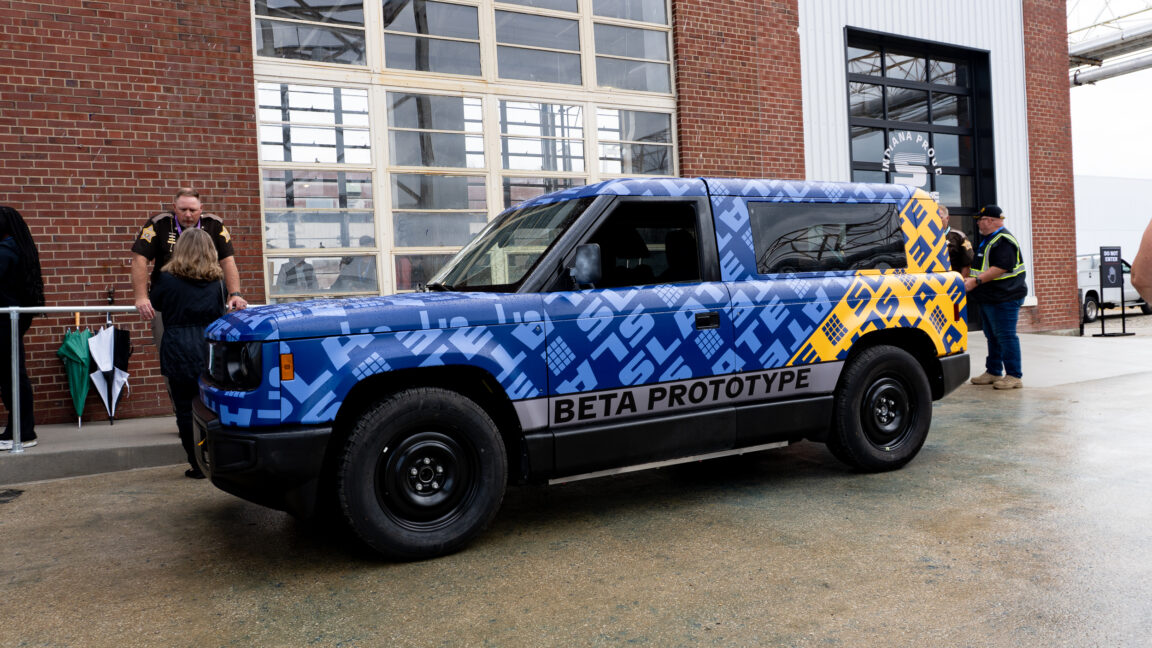
Every great movement begins with a profound subtraction, a willful rejection of excess that reveals the essential core of value. The automotive world is typically a symphony of integrated subsystems, yet the Slate Truck represents a radical structural silence. Its engineering philosophy is profoundly reductionist, bordering on conceptual art.
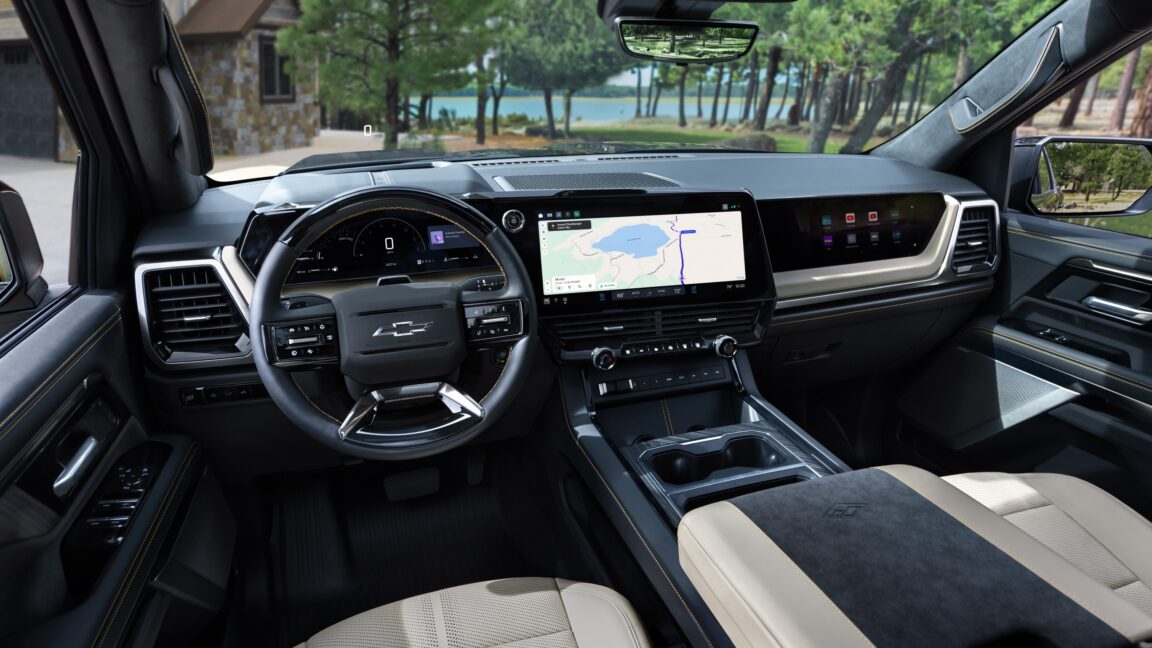
Six hundred components are all that anchor this electric pickup to reality, a deliberate material scarcity aimed at achieving a projected cost below $30,000. The elimination of unnecessary complexity is foundational; no heavy layer of protective polymers obscures the surface, as the truck skips the necessity of paint entirely, nor is there a conventional infotainment screen to distract the driver.
This vehicle is an artifact of pure function, challenging the industry's long-held assumptions about necessary components.
But simplicity, when traversing the sprawling geography of demand, requires an equally complex supporting armature. The critical question of maintenance—where does this minimalist machine find its shepherd?—has now been answered by linking arms with RepairPal. This union integrates the startup's disruptive hardware into a pre-existing, distributed network of over 4,000 service centers nationwide.
Jeremy Snyder, the chief commercial officer, accurately framed the strategy as conferring "peace of mind" upon customers while simultaneously validating the independent shop ecosystem. This strategy is empathy coded into logistics, ensuring that widespread reliability is not sacrificed at the altar of innovative manufacturing.
The repair shops are not merely designated mechanics; they are becoming authorized modification hubs.
A curious provision allows these locations to install the specific accessory kits Slate intends to offer, effectively transforming the spartan pickup silhouette into something approximating a crossover SUV, a fascinating reversal of expected specialization. A perplexing bifurcation exists, however, concerning electrical expertise.
While the network handles general upkeep and accessory installation, only a predefined subset of the RepairPal locations will be technically certified and equipped to interact with the Slate's high-voltage powertrain, segmenting the necessary care required for the complex battery systems versus the minimal body structure.
In a final flourish of systemic integration, Slate has successfully negotiated access for its customers to the vast, reliable ecosystem of the Tesla Supercharger network.
Because the truck incorporates the North American Charging Standard (NACS) port intrinsically, the typically necessary, clunky adapter—that physical impediment to digital flow—is rendered obsolete. The vehicle plugs directly into the infrastructure of the former competitor, establishing a seamless reconciliation of divergent pathways and solving a major adoption hurdle before the truck even reaches mass production.
Highlights of the Repair and Infrastructure Strategy
• RepairPal Partnership Maintenance is distributed across more than 4,000 independent service centers nationally, integrating the startup into established service infrastructure.
• Accessory Hubs RepairPal locations are authorized to install unique Slate accessories, including kits that convert the core pickup chassis into a crossover form factor.
• Powertrain Segmentation Only specific, specialized RepairPal centers will be equipped and certified to perform work on the truck's high-voltage electric powertrain.
• Charging Compatibility Slate trucks will utilize the integrated NACS port, granting direct, adapter-free access to the extensive Tesla Supercharger network.
• Extreme Reduction The truck's design uses approximately 600 components, an engineering marvel intended to maintain a sub-$30,000 starting price point.
The electric vehicle revolution is in full swing, but as the number of EVs on the road grows, so does the need for reliable and efficient repair plans. Automakers are now faced with the challenge of providing comprehensive repair strategies that cater to the unique needs of electric vehicles. This includes not only repairing and replacing batteries, motors, and other critical components but also addressing the complex software and electronics that underpin these vehicles.
As the industry continues to evolve, repair plans are becoming increasingly important for reducing electronic waste and promoting sustainability.
Many EV owners are eager to keep their vehicles on the road for as long as possible, and effective repair plans can help make this a reality. Some automakers are already taking steps in this direction, offering extended warranties and repair programs that cover critical components like batteries and electric motors.
However, there is still much work to be done to ensure that EV owners have access to affordable and reliable repair options.
The development of open-source repair manuals and independent repair shops specializing in EVs is also on the rise. These efforts aim to provide EV owners with more choices and greater control over their vehicle's maintenance and repair.
By promoting transparency and accessibility in the repair process, these initiatives can help to reduce costs and increase the overall efficiency of EV maintenance.
Find other details related to this topic: Check hereEarlier this year, Slate Auto emerged from stealth mode and stunned industry watchers with the Slate Truck , a compact electric pickup it plans to ...●●● ●●●



No comments:
Post a Comment