
•*The geometry is stark a massive, polished aluminum fuel tank, capable of holding 150 gallons, reflecting the overcast morning sky. It is bolted directly beneath a chassis designed to bear 80,000 pounds legally, yet whispers of higher thresholds persist in the canyons of North American commerce.**
The heavy duty truck, specifically defined in the United States as a Class 8 vehicle with a Gross Vehicle Weight Rating (GVWR) exceeding 33,000 pounds, does not merely transport goods; it represents a calculated compromise with physics. It is the necessary armature of modern supply chains. The immediate knowledge required to understand their operation centers not on speed, but on torque: the rotational force required to initiate movement of colossal mass. Engines like the Detroit DD16 or the Cummins X15 are not engineered for rapid acceleration; they are built for sustained, low-RPM pulling power, achieving maximum torque often below 1,200 revolutions per minute. This inversion—the reliance on deep, steady power over flashy performance—is confusing to those accustomed to passenger vehicle dynamics.
The construction is inherently baffling. A typical semi-tractor must incorporate a fifth-wheel coupling mechanism, a rotating plate that manages the immense vertical and horizontal stresses exerted by a trailing trailer. The pin (the kingpin) is precisely engineered, yet its stability relies entirely on simple, hardened steel locks. There is no subtle electrical component; it is raw mechanical surety. Furthermore, the mandatory complexity of air brake systems demands rigorous daily inspection. The allowable slack in the brake chamber pushrod must remain within narrow, millimeters-wide tolerances. This precision required to slow sixty tons traveling down a mountain grade highlights the precarious negotiation between the driver, the machine, and gravity.
The Appeal of the Unwieldy
The appeal of these behemoths rarely stems from practical necessity alone. For the dedicated driver or enthusiast, the draw is often rooted in kinetic stability and an unassailable sense of self-reliance. To command such a machine is to accept a solitude punctuated only by the rhythmic churn of a powerful engine and the occasional whine of the turbocharger.
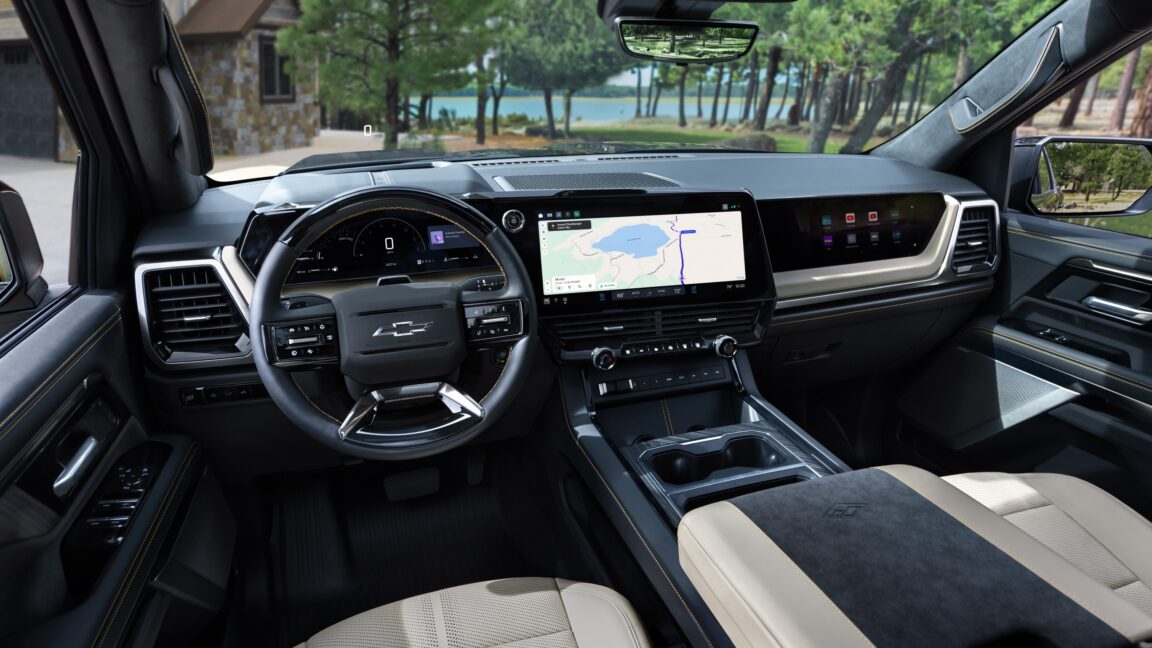
This industrial scale generates unique pockets of profound personalization. The interiors of certain owner-operated trucks—the iconic long-hood Peterbilts or the square-nosed Kenworths—are often meticulously tailored spaces. These are not merely driver seats; they are mobile domiciles built for weeks on the road. We find custom mattresses tailored to specific spine alignments, refrigerators installed next to polished hardwood trim, and bespoke LED light installations replacing standard cabin fixtures. It is an empathetic gesture toward the reality of the profession: if the job requires absolute isolation from stable domestic life, the machine itself must become the domestic center.
The sound profile is also a unique identifier. The specific, unmistakable roar of the compression release brake (often called a "jake brake") is a cultural signature in specific regions. Its loud, staccato mechanical bark serves a critical function—preserving foundation brakes on long descents—but it also announces the presence of immense power decelerating, a sonic echo of the vehicle's purpose.
Aesthetics and Regulatory Contradictions
The pursuit of heavy-duty truck aesthetics often clashes directly with federal regulation, creating an inherent tension that fuels customization. The most coveted classic designs—the conventional long-nose models—are aerodynamically inefficient compared to modern, sloped designs, yet they maintain fierce loyalty. This aesthetic preference adds complexity, driving up fuel costs for those who prioritize the traditional profile.
Consider the phenomenon of excessive chrome and lighting arrays. While highly polished fuel tanks, bumpers, and stacks represent dedication to the craft and pride in ownership, the placement and color of auxiliary lighting is strictly regulated by Department of Transportation standards (e.g., the specific required spacing between identification lamps). Therefore, the process of customizing a show truck involves navigating an intricate legal landscape: maximizing visual impact while ensuring that no detail—down to the precise color temperature of marker lights—violates local compliance. The appeal, confusingly, lies in mastering this delicate balance: maintaining maximum aesthetic deviation without sacrificing regulatory legality. The truck becomes both a tool of capital and a canvas for deeply personal, regulated expression.



No comments:
Post a Comment