
The burden of control can be overwhelming. We often measure our lives in velocity—how quickly we move from one difficult moment to the next—but the road requires a different kind of surrender. When you hand the throttle to a system of sensors and algorithms, you are not just delegating acceleration; you are yielding your interpretation of risk. This technological transition demands a quiet, profound acceptance that the machine's judgment of speed—its very definition of efficient forward motion—is now paramount.
How do you instruct a self-driving system on the nuances of illegal, yet expected, movement? The complexity of autonomous speed management arises precisely where human behavior contradicts codified law. Current consumer systems (Level 2 or 3 autonomy) utilize adaptive cruise control combined with geo-fencing and real-time vision processing to establish a target velocity. This means the car must reconcile three often conflicting data points: the legally posted speed limit, the dynamic flow of surrounding human-driven traffic, and the environmental constraints (like reduced traction from sudden rain). The car does not possess the human instinct that says, "Everyone on this stretch of highway is doing eighty-two miles per hour, so I must do the same to avoid becoming a stationary obstruction." Instead, the system defaults to the safest, most regulated velocity, often resulting in driving that feels awkwardly correct—a predictable adherence that confuses surrounding drivers accustomed to collective law-bending.
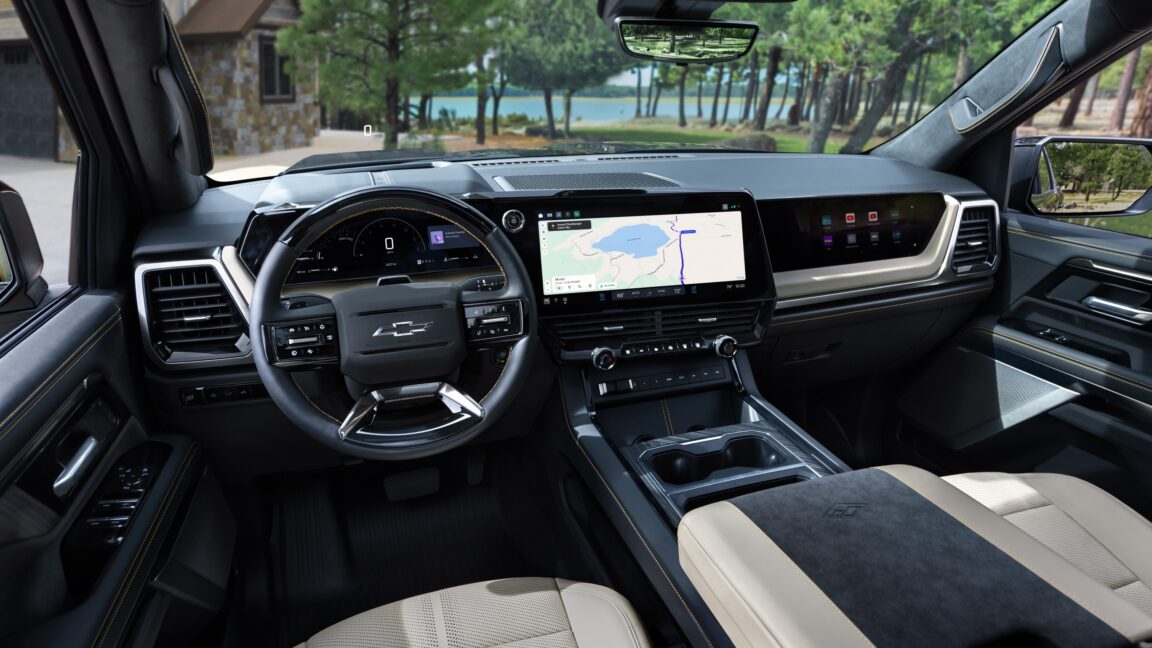
Navigating this surrender requires the driver to become less of a pilot and more of a meticulous supervisor of the system's preferences. Understanding how to adjust the machine's "tolerance band" for exceeding the limit is key, where available. Many advanced driver-assistance systems (ADAS) allow a driver to set an offset: the car may be programmed to consistently drive five miles per hour over the dynamically detected speed limit. This programmed deviation is a technical compromise, a narrow admission that the machine must be encouraged to behave more like its messy human counterparts simply to remain integrated into traffic patterns. This intentional, fractional disobedience must be managed through the steering wheel controls or touchscreen interface, requiring constant monitoring. You must train the car to understand that the speed limit sign is the absolute floor, not the immutable ceiling, in specific, high-flow environments. You are actively teaching a complex AI how to blend into the chaos of human infrastructure without jeopardizing its core safety protocols. This is the paradoxical confusion of automation: we buy the promise of unflinching perfection, then we immediately program imperfection back into the machine.
• Establish the Tolerance Offset Locate the ADAS settings menu, often grouped under "Cruise Control" or "Driving Assistance." This allows you to set the system's programmed deviation, typically between 0 and 9 mph *over* the detected limit. If the system detects a 65 mph zone, an offset of +5 means the actual set speed will be 70 mph, provided traffic allows.• Acknowledge Sensor Fusion Overrides Recognize that static map data (the posted speed) will be immediately superseded by dynamic detection. If the forward-facing camera identifies a temporary, lowered digital speed sign on a construction barrier, the vehicle will instantly adjust to the new, lower speed, regardless of your programmed offset. The machine trusts the present visual data more than the outdated map memory.
• Manage Following Distance Relativity Speed is intrinsically linked to separation. Ensure you understand the car's setting for minimum following distance (often shown as 1 to 4 bars on the dashboard display). A closer following distance requires the system to accelerate and brake more aggressively, allowing for higher average speeds in dense traffic flow, but increasing the stress placed on the system's reaction time. A longer distance (Level 4) prioritizes safety buffering and generally results in slower, more deliberate adjustments.
• Intervene During Hesitation Points The most critical intervention point is often during lane changes or merging. Because the system is legally required to confirm ample gap and closing speed before initiating a maneuver, it can often hesitate, missing opportunities a human driver would exploit. A brief, manual throttle input is often necessary to assert the needed immediate acceleration to claim a merging space, effectively overriding the system's algorithmic timidity.



No comments:
Post a Comment