
I've got a right old bone to pick with Mini's new sales model, which the company introduced on March 1. This agency sales approach is supposed to make things easier for customers, with no haggle and all that jazz, but the reality is a bit of a different story. I've been chatting with a Mini dealer who's not too pleased with the change, and let me tell you, the numbers are looking pretty grim.
Apparently, the dealer's seen a 30% drop in new car enquiries since the switch, and it's not just a blip - it's a full-blown crisis. Without the ability to set their own prices, the dealerships are struggling to keep customers engaged. And it's not just about the sales numbers, "either - the whole showroom experience has been turned on its head." The dealer's telling me that customers are more informed than ever about pricing... so they're not as influenced by the sales patter that used to get them in the door.
It's a bit of a nightmare... if you ask me. Information for this article was obtained from Car Dealer Magazine.
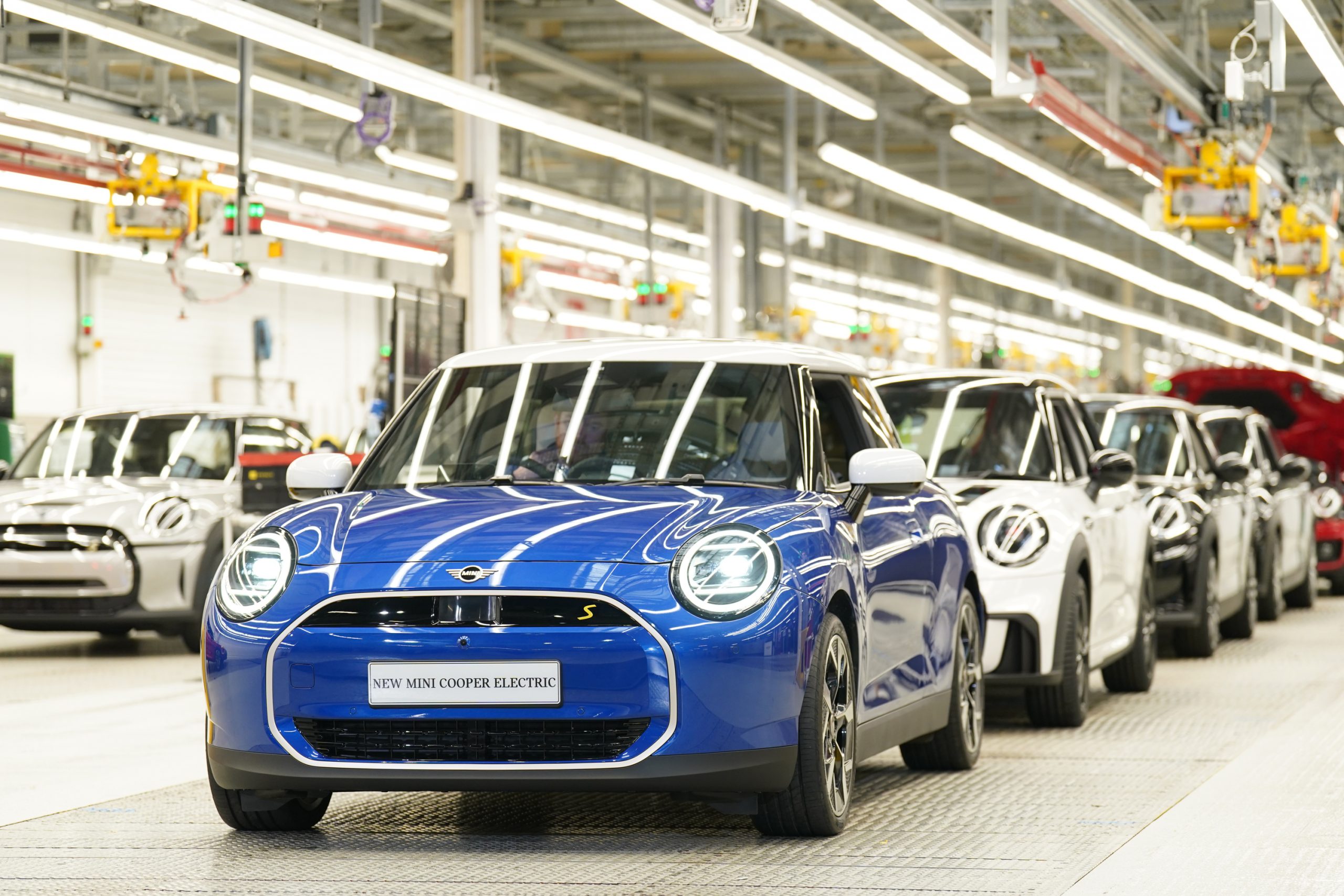 Source: See here
The Impact of Agency Sales on Dealers: A Mini Dealer's Perspective** The introduction of agency sales for the Mini brand has disrupted the traditional sales model, leading to a 30% decline in new car enquiries. This shift has resulted in a reduction in sales volumes, with customers increasingly relying on online channels for pricing information.
The dealer's experience suggests that the lack of retailer-led promotional activity and flexibility in pricing has led to a decrease in customer engagement. The showroom experience has also undergone a significant change, with customers moving away from in-person test drives and reservations with limited dealer input.
As a result, the retailer's ability to influence the sale on the day has decreased, "making it challenging to push deals." The dealer's former tactics to promote sales are no longer effective... highlighting the need for dealers to adapt to the new agency sales model.
• • • •
The Shifting Sands of Automotive Retail Are Agency Sales Models a Road to Ruin? The automotive industry, a behemoth of tradition and ingrained practice, finds itself at a crossroads. We have long witnessed the familiar dance between buyer and seller on showroom floors, a ballet of negotiation, persuasion, and ultimately, compromise. But a new actor has entered the stage: the agency sales model.
And the opening performance is, shall we say, receiving mixed reviews. The Promise of Transparency: A Double-Edged Sword? The core tenet of the agency model is alluringly simple: a fixed price, set by the manufacturer, ostensibly removing the friction and perceived unfairness of traditional haggling. Consumers, armed with unprecedented access to information, are theoretically empowered.
Transparency becomes the watchword. But what happens when the very transparency intended to liberate becomes a shackle on the dealership's ability to adapt to the realities of the local market? Dealer Discontent: A Symptom of a Larger Malaise? Reports are surfacing, and growing in volume, to the fact that dealers are experiencing significant upheaval.
The anecdote about the 30% drop in inquiries is a stark illustration of the potential pitfalls. Dealerships, no longer able to leverage pricing as a tool to attract and close deals, find themselves adrift. The personalized, localized approach that once defined their value proposition is diminished, replaced by a standardized experience dictated from on high.
*Beyond the Price Tag The Intangible Value of the Dealership** It would be folly to suggest that price is the sole determinant of a consumer's purchasing decision.
The dealership experience – the test drive, the personalized consultation, the after-sales service – these remain vital components of the value equation. Yet, when the pricing structure is rigid and inflexible, the dealer's ability to cultivate those intangible benefits is curtailed. Are we sacrificing the relationship for the sake of perceived simplicity? The answer, it appears, is still being written.
Mini's new sales model.
Mini's new sales model has sparked a significant shift in the automotive industry, with far-reaching consequences for dealerships. The agency sales approach, introduced on March 1, aims to simplify the car-buying process by eliminating haggling and providing a transparent pricing system. However, the results have been less than ideal, with dealerships struggling to adapt to the new model.
The data suggests a 30% decline in new car enquiries, a trend that appears to be more than just a temporary blip. The showroom experience has been significantly disrupted, with customers better informed about pricing and less swayed by sales tactics. This has led to a sense of disconnection between dealerships and customers, "resulting in a sense of crisis." The impact of this new model is being felt across the industry... with Mini's dealer network being no exception.
Information for this article was obtained from Car Dealer Magazine.
A Mini dealer has spoken out about the 'disruption' agency sales have caused for the brand since it was introduced on March 1. The small car maker has swapped its sales model to one which will see the brand deal with car sales on its website and its dealer facilitate the hand over of cars.○○○○○○○


No comments:
Post a Comment