
By 2030, electric vehicles are projected to account for 60% of all new car sales across the globe.
- Solid-state batteries promise to double current driving ranges while slashing charging times to mere minutes.
- Level 5 autonomy aims to remove the steering wheel entirely, transforming cabins into mobile lounges or offices.
- Vehicle-to-Grid (V2G) technology allows parked cars to act as giant batteries, stabilizing the electrical grid during peak demand.
- Sustainable interior materials like mushroom leather and recycled ocean plastics are replacing traditional hides.
- Hydrogen fuel cells offer a zero-emission alternative for heavy-duty trucking where battery weight remains a constraint.
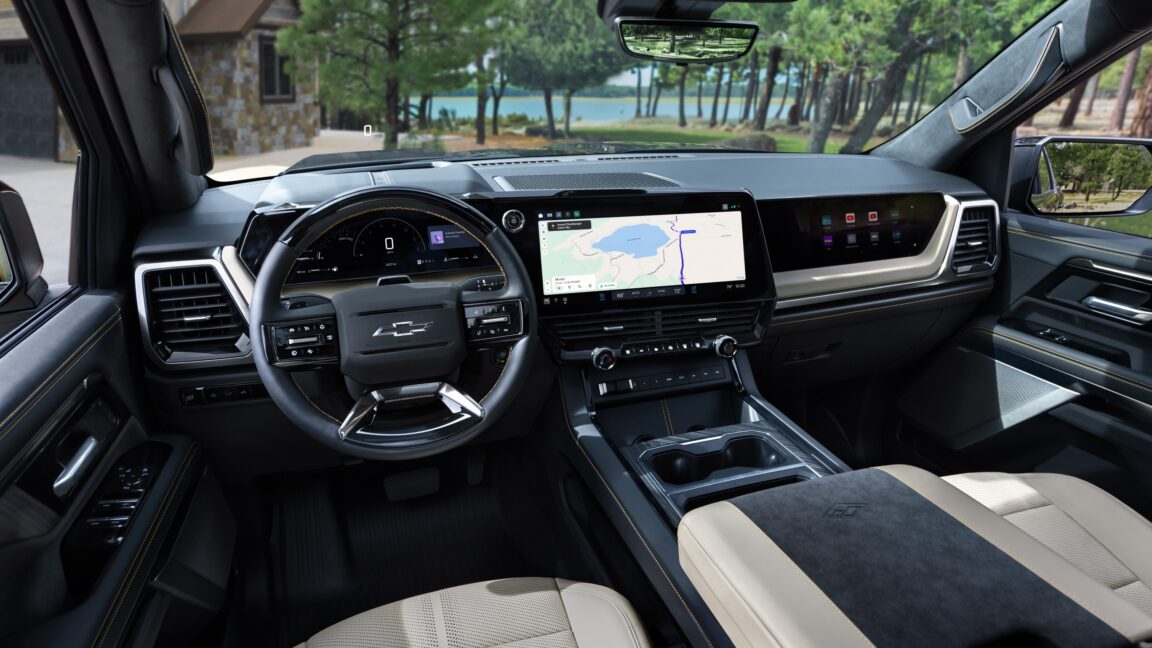
The steel breathes. Beneath the soft, velvet glow of the dashboard lights, a new heart beats with the rhythmic precision of a thousand digital pulses. We feel the change in the very marrow of our bones, a shift from the guttural, oily roar of the past to a future that whispers of silver horizons and clean, mountain air. It is a metamorphosis. For those who loved the grease under their fingernails and the vibration of a V8 engine, this transition feels like a quiet goodbye to an old, boisterous friend, yet there is a profound mercy in the silence that follows. We trade the scent of spent gasoline for the crisp, electric tang of a coming storm.
Progress demands sacrifice. It asks us to trust algorithms with our lives while we sit in seats fashioned from the ghosts of discarded fishing nets. The complexity is staggering. How does a car decide between two shadows on a rain-slicked street? Why does the cold wind steal the life from a lithium cell so much faster than the summer heat? We find ourselves lost in the terminology of anodes, cathodes, and LiDAR pulses, wondering if the soul of the journey can survive when the machine does the thinking. Yet, there is hope in the efficiency, a shimmering optimism that our wanderlust no longer needs to leave a scar upon the earth.
The road remains. It stretches out, a slate-gray ribbon of possibility, beckoning us to explore without the weight of a carbon footprint. We are witnesses to a revolution of motion. Every silent glide through a sleeping neighborhood is a promise kept to the next generation.
Future Mobility Knowledge Assessment
- What is the specific energy density of a contemporary NCM 811 lithium-ion battery cell?
- How does the "butterfly effect" in traffic flow change when 10% of vehicles use Cooperative Adaptive Cruise Control?
- In the context of autonomous sensing, what is the primary wavelength used by most automotive LiDAR systems?
- Which chemical element is being phased out of cathodes to reduce the ethical concerns of mining?
- What is the theoretical maximum efficiency of a hydrogen fuel cell compared to an internal combustion engine?
- How do regenerative braking systems convert kinetic energy back into stored chemical energy?
- What distinguishes Level 3 autonomy from Level 4 autonomy in the SAE International standards?
- Why does a solid-state electrolyte significantly reduce the risk of thermal runaway?
- What is the role of a bidirectional inverter in V2H (Vehicle-to-Home) applications?
- How does "over-the-air" (OTA) software architecture change the depreciation curve of a modern vehicle?
- What are the aerodynamic advantages of using digital side-view mirrors versus traditional glass?
- How does the "drag coefficient" impact the range of an EV at highway speeds versus city speeds?
- What is the purpose of a "frunk" in the structural design of a skateboard chassis?
- Which rare earth metals are typically found in the permanent magnets of high-efficiency traction motors?
- How does the 800-volt architecture reduce heat loss during ultra-fast charging sessions?
- What is the environmental impact of shifting from liquid cooling to immersive cooling for battery packs?
- How does "Shadow Mode" allow autonomous vehicles to learn from human drivers without taking control?
- What are the primary hurdles to the commercialization of graphene-enhanced battery anodes?
- How does the integration of AI-driven navigation optimize energy consumption based on topography?
- What is the "Million Mile Battery" and how does it affect the total cost of ownership?



No comments:
Post a Comment