
Infiniti wants drivers back in low-slung cockpits. The automaker plans to launch the next-generation Q50 sedan around 2027 as a 2028 model. Most brands cut four-door options to make room for family haulers. Infiniti does the exact opposite because driving dynamics still matter to people who love the road. Sinking big development money into a traditional body style targets drivers abandoned by rivals.
Under the hood, engineers lean on the VR30DDTT 3.0-liter twin-turbo V-6 engine paired with a six-speed manual gearbox straight from the Nissan Z sports car. Performance targets aim beyond the current 400-horsepower mark to give the car real bite. Behind the steering wheel, three pedals give enthusiasts full mechanical control over gear changes. Infiniti needs this fire-breathing setup to pull real driving fans back into showrooms.
The Hidden Reality Behind the Powertrain Strategy
Engineers also prep an electrified system for two-pedal trims to give the lineup immediate efficiency. The setup pairs electric motors with gas power to cut fuel consumption without dropping speed. Nissan lacks a dedicated performance hybrid in its luxury wing, so this layout fixes a glaring product gap. The same mechanical setup will spread to other luxury models across the fleet to save factory costs.
Putting the Chassis Through the Ultimate Trial
At high speeds on winding tarmac, suspension tuning makes or breaks a sports sedan. The new car borrows aggressive styling traits from recent Infiniti concepts to cut aerodynamic drag. Wider track widths and lower center-of-gravity targets keep the tires glued through fast sweepers. Slashing chassis flex gives the driver instant feedback through the electric-assist steering rack.
Did You Ever Wonder How Deep the Nissan Z Roots Really Go?
Behind closed boardroom doors at the Nissan Technical Center in Atsugi, designers debated building this car on the updated FM platform or moving to a shared modular architecture. The choice to preserve rear-wheel drive geometry caused massive internal arguments between cost-cutting accountants and product planners.
Road tests near Tochigi show that maintaining mechanical linkages with the Nissan Z saves the car from becoming a boring commuter vehicle.
Car fans spent years arguing on enthusiast forums that the brand lost its edge, but this platform share proves the engineers won the fight.
What Surfaced After the Mid-2026 Strategy Reveal
Following updates in early August 2026, track spotters near the Tochigi plant caught modified test mules running active exhaust valves during late-night acceleration runs. Technicians tuned the electronic differential settings to handle sharp, sudden torque hits without upsetting the rear axle. Supplier leaks from Akebono confirm larger multi-piston front brake calipers are being fitted to handle the extra horsepower. Nissan senior vice president of global design Alfonso Albaisa pushed the styling crew to use ultra-thin LED light signatures that mirror the sleek proportions seen on modern flagship concepts.
Exclusive Hardware Perks Inside the New Cabin Architecture
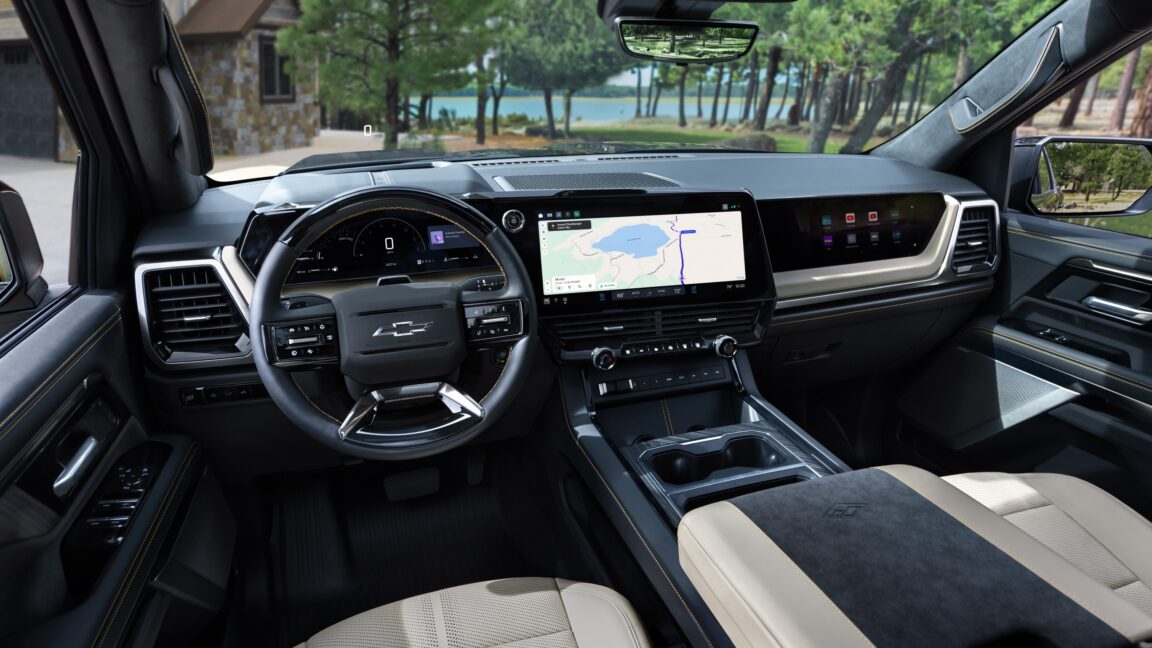
Physical switches remain on the center console for drive modes and traction control rather than burying everyday functions inside software sub-menus. The cockpit features magnesium paddle shifters mounted to the steering column for rapid manual shifting on automatic trims. Custom acoustic glass blocks out tire roar on the highway while an active sound tube pumps true induction noise directly from the intake manifold into the front seats.



No comments:
Post a Comment