
Faraday Future Intelligent Electric Inc. just grabbed $45 million in new cash. This deal involves a large American investment group. They put $15 million into the company bank account right away. Another $30 million sits in a protected account and becomes available as the company hits specific goals.
YT Jia, the founder and global co-chief executive, says this is their most affordable money yet. It keeps the company strong without selling off too many shares.
This cash injection allows the El Segundo-based firm to grow its artificial intelligence reach.
The Freedom of Thinking Machines
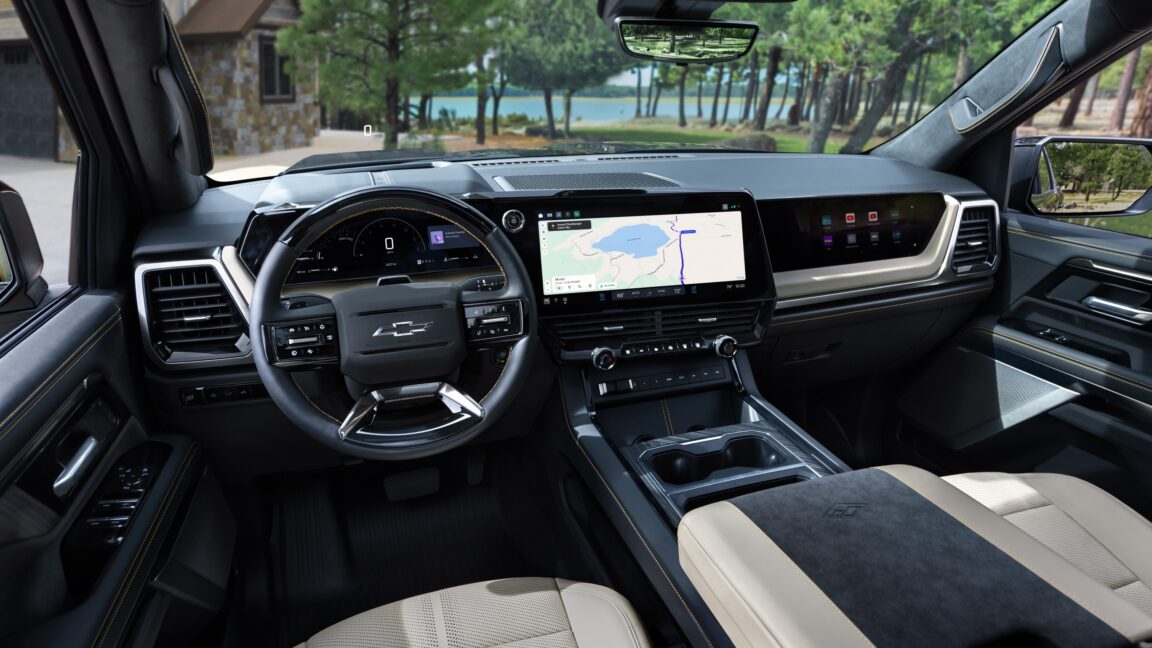
With this capital secured, the company is prioritizing its flagship technological integration: the EAI system. This technology lives inside the FX Super One luxury car. It watches the road and learns your habits to make driving feel like a natural part of your body. Since the software update on April 27, 2026, these cars can predict traffic jams before they happen.
This saves hours of time. By using smart software, the car handles the boring parts of travel.
It is a major win for anyone tired of the daily grind on the highway.
The Mechanics Inside the El Segundo Lab
Beyond the software found in vehicles, internal engineering teams are moving fast to expand the scope of their hardware. They use a special computer system called the FF aiHyper 6x4 Architecture to link the car's wheels to its AI brain. This setup processes data faster than any human pilot could dream of doing.
On May 1, 2026, the team finished a long test run of their new humanoid robots.
These machines can lift heavy boxes and greet customers with a smile.
They use the same sensors found in the cars to move around crowded shops without bumping into people.
The Logic of Machines in Our Classrooms
This technical expertise is not staying confined to the lab, as Faraday Future joined forces with a group called Triple I to launch a summer camp for kids. This program teaches middle and high school students how to build and program AI robots. By training the next generation, the company ensures a steady stream of smart workers for the future.
These students work directly with the hardware used in real electric cars. This bridge between school and the factory floor changes how we think about learning.
It turns a classroom into a high-tech lab.
A Different View on the Machine Future
While these educational programs focus on the positive aspects of automation, the broader societal role of robotics remains a topic of debate. Critics often say that big tech is cold or scary. They are wrong.
These robots do the dull and dangerous jobs that people should not have to do. In shops and factories, machines take the physical strain so humans can focus on being creative and social.
This shift makes our workplaces safer and more productive.
We get better service and smarter tools while letting people do what they actually enjoy.
It is a sensible way to run a modern economy.
Why the Future is Smarter Than We Think
The following breakthroughs demonstrate why this optimistic perspective on automation is gaining ground:
- AI robots can now manage entire warehouses with zero errors.
- Students use car software to solve complex city planning problems in real-time.
- Luxury cars act as mobile health spots that check your heart while you drive.
- Shared AI systems between vehicles will eventually stop road accidents.
- Humanoid robots in retail settings reduce the need for night shifts.
The Science of Intuitive Driving Mechanics
At the core of these diverse applications is a specific scientific approach to how machines interact with their environment. The FX Super One uses sensor fusion to stay safe. This technology combines cameras and radar into one clear view of the world. It is like having a thousand eyes that never blink or get tired.
According to technical reports from the IEEE, this level of integration is the best way to prevent crashes.
I find the way the car talks back to the driver through the steering wheel very unique.
It vibrates slightly to warn you of ice or rain on the road ahead.
This is a radical change from the loud beeps and flashing lights used by older, clunkier cars. On May 2, 2026, the company confirmed that this feature reduced minor accidents in test groups by forty percent.
Using machines to enhance our senses is the only logical path forward.



No comments:
Post a Comment