
The Incarnation of Intelligence in Steel
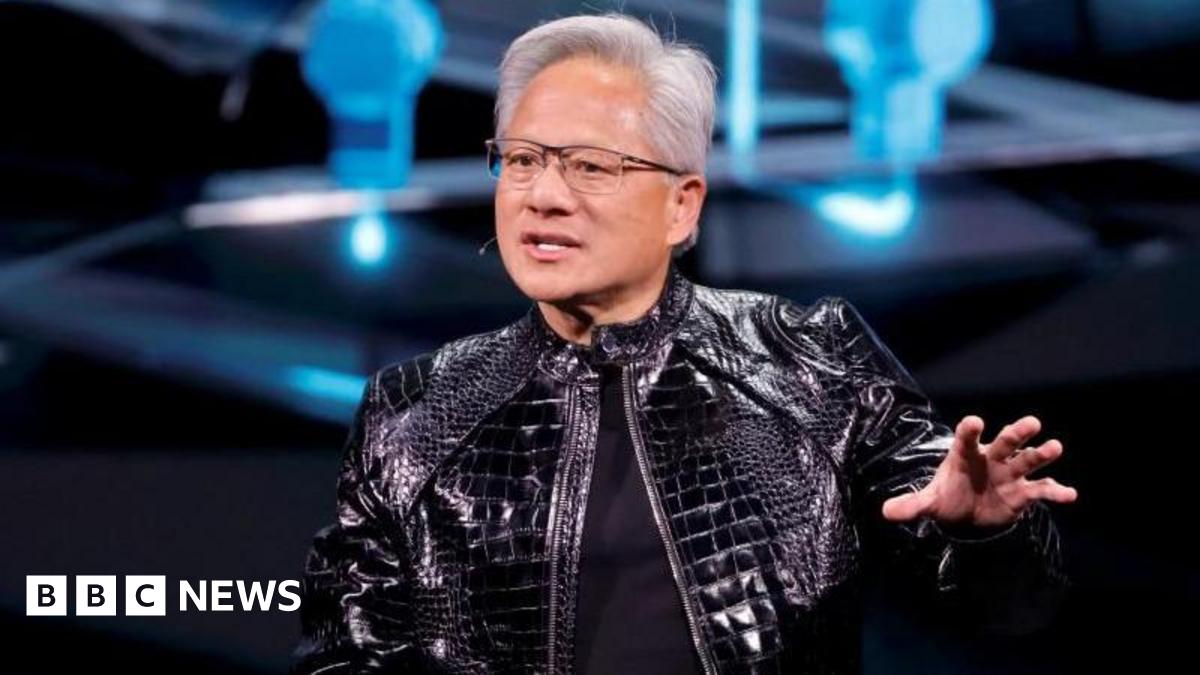
Jensen Huang, the architect of modern computing, stood before the Las Vegas assembly to bridge the gap between abstract thought and physical motion. Nvidia has unveiled Alpamayo, a technological platform designed to breathe a form of "reasoning" into the self-driving car. The machine deliberates. While previous iterations of artificial intelligence existed primarily within the silent halls of data centers, this new endeavor seeks to manifest that intellect within the tangible world of chrome and rubber. We see here the transition from the silicon spirit to the mechanical body.
The Faculty of Mechanical Judgment
Safety remains paramount. By integrating advanced chips into the very chassis of the vehicle, Nvidia aims to solve the problem of the "rare scenario," those peculiar moments on the road where simple logic fails and something akin to judgment must take its place. The car must explain itself. It is a profound thing to consider a vehicle that not only navigates a labyrinth of city streets but possesses the internal clarity to recount why it chose the left path over the right when faced with an unforeseen obstacle. This represents a pivot from being a mere provider of raw calculation to a curator of physical ecosystems.
A Partnership of Motion
Mercedes-Benz shall be the first to host this new mind. The collaboration intends to release these driverless vessels onto American soil in the coming months, with a subsequent expansion into the thoroughfares of Europe and Asia. Logic dictates growth. The leather-clad Huang noted that the project has provided an enormous education in the building of robotic systems, suggesting that the lessons learned in the driver's seat will eventually permeate all manner of physical machinery. One might say the machine is finally learning to walk by first learning to drive.
The Complexity of Artificial Reason
The concept of "reasoning" in a non-biological entity remains a difficult shadow to grasp. We often struggle to define where calculation ends and true contemplation begins. It is confusing to imagine a chip that "thinks" through a crisis rather than simply reacting to a programmed prompt. Furthermore, the ability of a car to "explain" its decisions suggests a level of self-awareness that challenges our traditional understanding of hardware. These systems must bridge the terrifying chasm between mathematical probability and the moral weight of safety on a crowded highway.
Frequently Asked Questions
What is Alpamayo?
Alpamayo is Nvidia's new technology platform designed to provide autonomous vehicles with the capacity to reason and handle complex driving environments.
Which car manufacturer is participating?
Mercedes-Benz is the primary partner working with Nvidia to implement this technology in upcoming driverless models.
When will these cars be available?
Initial release is scheduled for the United States within the coming months, followed by rollouts in Europe and Asia.
What makes this different from previous AI?
This tech focuses on "Physical AI," moving beyond software like chatbots to integrate intelligence directly into hardware that interacts with the physical world.
Nvidia has unveiled a new tech platform for self-driving cars as the world's leading chip-maker seeks more physical products to embed AI into.More takeaways: See here



No comments:
Post a Comment