
Modern Underpinnings Powering The Third Generation Architecture
Building upon that proven legacy, the vehicle evolved to meet contemporary engineering standards. Under the sheet metal sits the modular CMF-B platform. This new base cuts cabin vibrations and creates space for high-voltage hybrid wiring.
Renault added exterior trims made from a new material called Starkle, which contains twenty percent recycled polypropylene.
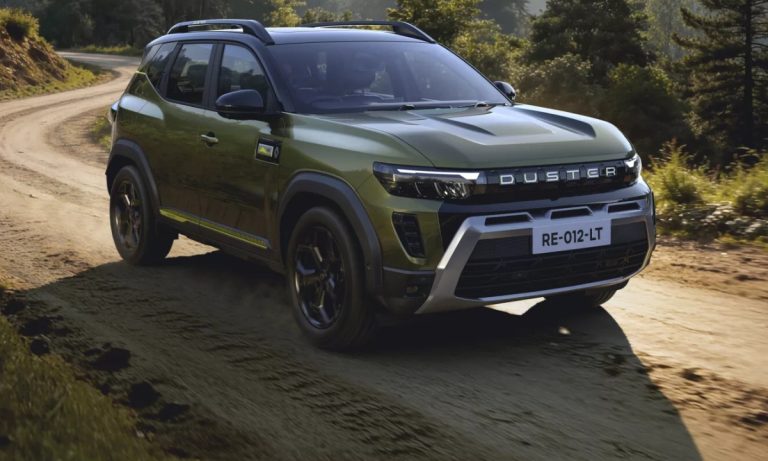
The unpainted bumpers resist scratches from rocks and bush trails.
Good luck finding another compact vehicle in this price bracket that uses recycled materials so cleverly.
From Oragadam Assembly Lines To Durban Shipping Ports
To distribute this modernized architecture globally, Renault updated its international logistics strategy. In early 2024, Renault announced a strategic three-billion-euro investment drive. The Renault-Nissan plant in Oragadam, near Chennai, took center stage to build right-hand-drive units.
Cargo ships loaded these vehicles in June 2026 and crossed the Indian Ocean directly to the port of Durban.
South Africa welcomed the first local units this week on August 13, 2026. For further study, read Renault Group financial bulletins on their International Gameplan 2027 to see how manufacturing hubs are moving across the southern hemisphere.
Why Right Hand Drive Global Production Centers Shifted East
This reallocation of production centers comes down to pure manufacturing math. India builds over four million passenger vehicles a year, creating massive supply-chain savings for right-hand-drive steering racks and wiring harnesses. Currency fluctuations between the South African Rand and the Indian Rupee offer trade stability compared to the volatile Euro. By moving production away from the Pitesti plant in Romania, Renault cut unit shipping costs while boosting factory output.
It is a textbook masterclass in global industrial efficiency.
Mechanical Systems Behind The All Terrain Drive Dynamics
Complementing these manufacturing and platform upgrades are the vehicle's off-road capabilities. Drivers use a rotary dial on the central console to switch between five drive settings. The Terrain Control system actively monitors wheel spin and regulates engine torque through Snow, Mud, Sand, and Off-Road programs.
On steep declines, the automatic hill descent control maintains speed between zero and thirty kilometers per hour without the driver touching the brake pedal.
Dual sensors measure pitch and roll angles in real time to prevent rollovers on rocky trails.
The hardware does the heavy lifting so the driver stays relaxed.


No comments:
Post a Comment