
A truck is a machine built for noise. It usually announces its arrival with the smell of old grease and the roar of exploding gas. But the electric truck moves like a shadow across a wooden floor. It possesses the strength to pull a mountain while remaining as quiet as a sleeping cat. It is a heavy paradox wrapped in steel.
This silence hides a surprising level of performance. In a normal engine, you wait for the power to build. You press the pedal, the gears shift, and the fuel burns.
With an electric motor, the power is simply there.
You touch the pedal and the truck jumps forward without a second of hesitation.
For instance, the Rivian R1T can reach sixty miles per hour in three seconds.
Speed is no longer a luxury for small cars.
Because the engine is gone, the shape of the vehicle changes. Under the front hood, where a loud motor used to sit, there is now a large empty space for your bags. This "frunk" stays dry and locked. On the Ford F-150 Lightning, this space is big enough to hold two bags of golf clubs or a week of groceries.
The removal of the traditional engine also impacts the longevity of the vehicle. Maintenance becomes a ghost of its former self. A gas engine has hundreds of moving parts that rub together and wear down. An electric truck has a fraction of those parts. There are no oil changes, no spark plugs to replace, and no mufflers to rust. You save money by doing nothing.
Functionality extends beyond the drive itself, especially when the power grid fails. During a power outage, your truck becomes a hero. You can plug your house into the side of the vehicle to keep your lights on and your food cold. Some trucks can provide power to a home for three days or more. It is a giant battery that happens to have wheels.
And then there is the matter of the brakes. When you lift your foot off the pedal, the motor turns into a generator. It slows the truck down and sends that energy back into the battery. This means you rarely have to touch the brake pedal in normal driving.
Simple Workflow for the Modern Driver
Beyond the mechanics of the drive, the daily routine of ownership shifts into a streamlined process.
- Plug the truck into a wall outlet before you go to bed. By the time you finish your morning coffee, the "tank" is full.
- Open a phone app to pre-heat the cabin while the truck is still plugged in. This saves battery power for the road.
- Input your destination into the navigation screen. The software automatically picks stops where the chargers are fast and the coffee is hot.
- Use the heavy weight of the battery to your advantage on gravel. The low center of gravity keeps the truck glued to the path.
The Heavy Load Stress Test
While the daily workflow is simple, these vehicles are also designed to handle rigorous environments. To truly understand this machine, you must take it to a steep mountain pass. Attach a trailer weighing five tons. In a gas truck, the engine would scream and struggle for air in the high altitude.
The electric truck does not breathe air, so it does not care about the height.
It pulls with the same steady force at the peak as it does at the beach.
Watch the heat gauge; the cooling systems in modern electric trucks handle the climb without breaking a sweat.
Gathering Your Thoughts on the Silent Shift
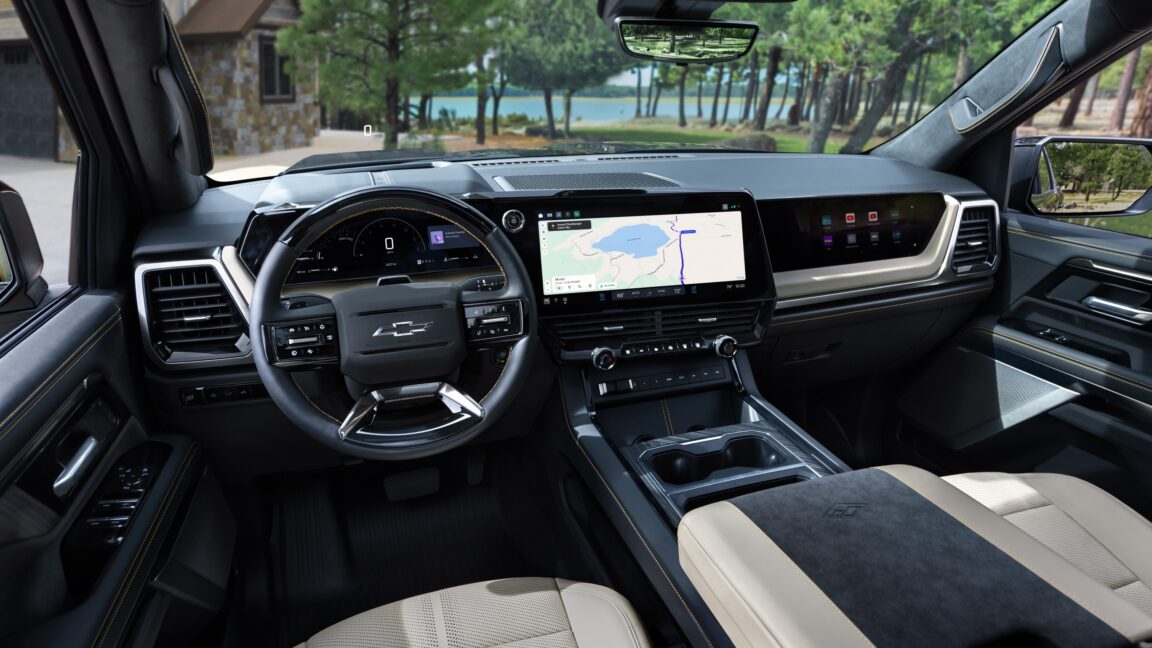
After experiencing that raw power on a mountain, the driver begins to notice the subtler changes in the cabin environment. We want to know how the silence affects your focus on long drives. In a quiet cabin, you might hear the world differently.
Does the lack of vibration make you feel less tired after five hours behind the wheel?
We are asking because the sensory experience of driving is changing, and your feedback helps bridge the gap between old habits and new reality.
Also, consider the "gear tunnel" found in some models; it is a storage spot that runs through the middle of the truck.
This design is only possible because there is no long metal rod connecting the front to the back wheels.
A Conversation on Energy and the Earth
While the interior experience is refined, the broader impact of the vehicle on the world remains a complex topic of debate. But the story is not perfect, and people often argue about the dirt involved in being clean.
According to the International Energy Agency, an electric vehicle requires six times the mineral inputs of a conventional car. This includes lithium, cobalt, and manganese.
Many people wonder if moving the pollution from the tailpipe to a mine in another country is a fair trade.
And yet, data from Reuters shows that battery recycling is becoming a massive industry.
Companies like Redwood Materials are now recovering 95% of the metals from old batteries to make new ones. This creates a circle where we stop digging and start reusing.
The debate is no longer about if we should switch, but how fast we can make the circle close.
The Hidden Architecture of Low Gravity
Regardless of the environmental debate, the physical foundation of the vehicle provides unique structural advantages. In a traditional truck, the heavy parts are high up or spread out. Most electric trucks use a "skateboard" chassis.
This means the heaviest part—the battery—is a flat slab at the very bottom.
Because of this, it is very difficult to tip an electric truck over in a corner.
It handles like a much smaller vehicle.
This design also allows for a perfectly flat floor inside the cabin, giving passengers more legroom than a luxury sedan.



No comments:
Post a Comment