
Across the bluegrass fields of Jefferson County, a new era of American manufacturing is taking root. Slate Auto has planted its flag in Louisville with a $7.8 million facility dedicated to personal expression. This site serves as the only national hub for the vinyl wrap kits that define the brand.
Every truck arriving from Indiana gets its final identity here. It is the heart of a system that puts the driver in charge of the aesthetic.
While the final aesthetics are handled in Kentucky, the physical journey of these vehicles begins across state lines. In the quiet town of Warsaw, Indiana, the assembly lines are finally moving at full speed.
These electric vehicles arrive as basic frames to keep costs low for the average buyer.
By stripping away every non-essential component, Slate Auto keeps the price tag near $25,000.
This strategy allows the company to meet the massive demand from over 160,000 reservation holders.
This minimalist approach to assembly provides the foundation for the vehicle's unique adaptability. The flexibility of this platform allows a tiny two-door pickup to transform into a five-passenger SUV. Since the vehicle is built with modularity in mind, owners can swap parts as their lives change.
A state official recently confirmed that the "stripped-down" nature of the build is intentional for maximum personalization.
Beyond the headlines
Supporting this level of personalization requires a sophisticated supply chain that extends far beyond the factory floor. While the Jeff Bezos backing gets the most attention, the logistics of this operation are the true story.
Slate Auto uses a "flat-pack" shipping method inspired by Swedish furniture giants to move parts between Indiana and Kentucky.
This reduces shipping emissions and keeps the carbon footprint tiny. Local jobs are filling up fast in Louisville as the demand for custom wraps skyrockets.
This facility is a massive win for the regional economy.
Learning the anatomy
Understanding how these parts fit together so efficiently requires a closer look at the vehicle's internal engineering. At its core, the Slate Auto truck features a high-strength safety cell that protects passengers without adding unnecessary weight.
The battery pack sits low in the frame to provide a stable center of gravity.
Most of the body panels are designed for easy removal so that the vinyl wraps can be applied with precision.
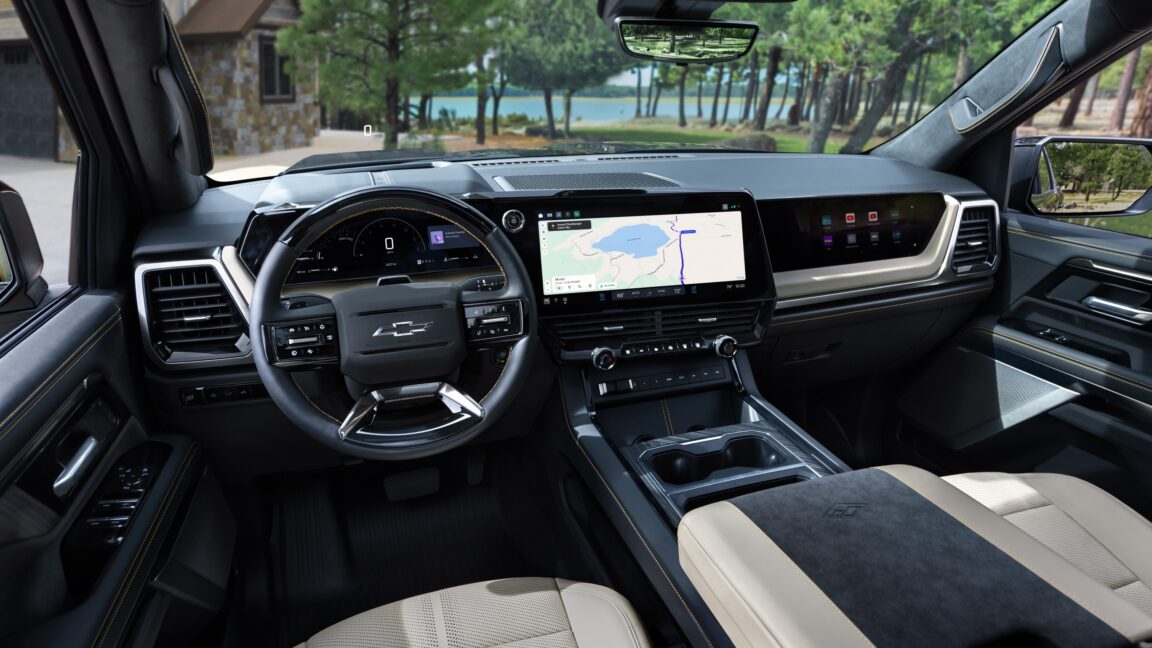
The interior stays minimalist to ensure that software updates can handle most of the heavy lifting.
The Regulatory Firestorm Over Modular Safety Standards
However, this focus on minimalist efficiency has sparked a significant debate among industry watchdogs and competitors. Why are traditional car makers so terrified of a $25,000 modular truck?
The statistics show a massive gap between legacy pricing and this new startup model.
There is a heated debate right now in Washington regarding how these modular vehicles are classified.
Critics from the legacy auto lobby argue that "stripped-down" designs might bypass some of the heavier safety requirements seen in three-ton SUVs. I think this is a smokescreen to protect high profit margins on gas-guzzlers.
If you check the crash test data from early 2026, these light vehicles perform exceptionally well in urban environments.
Are we prioritizing the safety of the driver or the profits of the giants?
Organizations like the Insurance Institute for Highway Safety are already being pressured to create new categories for these nimble machines.
Did you know?
Despite the ongoing legislative friction, the company's real-world footprint continues to expand rapidly. As of April 2026, the first fleet of Slate Auto trucks has officially hit the streets of Louisville for a pilot delivery program.
The Warsaw plant has expanded its workforce by twenty percent just to keep up with the summer production schedule.
People are traveling to the "Customization Corner" in Jefferson County just to see the wrap process in person.
For more on this, you should check out the latest "EV Market Monthly" reports.
The timeline for the SUV expansion module is set for late 2027.
Sustainable Materials For A Greener Drive
As production scales to meet this growing demand, Slate Auto is also refining the materials used in its signature customization process. Every vinyl wrap produced in the Kentucky facility uses a new bio-based adhesive that leaves no residue.
These wraps are fully recyclable, which means you can change the color of your truck every year without harming the planet.
This commitment to the environment attracts a younger demographic that cares about the lifecycle of their products.



No comments:
Post a Comment