
Key Takeaways Critical Action Items
- Maruti Suzuki launched the e VITARA at a starting price of 10.99 lakh rupees.
- The Battery-as-a-Service model charges owners 3.99 rupees per kilometer for energy usage.
- A single charge provides a range of 543 kilometers.
- Infrastructure expansion includes 1,500 service centers equipped for electric vehicles.
- Potential buyers should calculate monthly mileage to compare rental costs against fuel expenses.
- Investors should monitor the adoption rate of the NEXA relationship manager system.
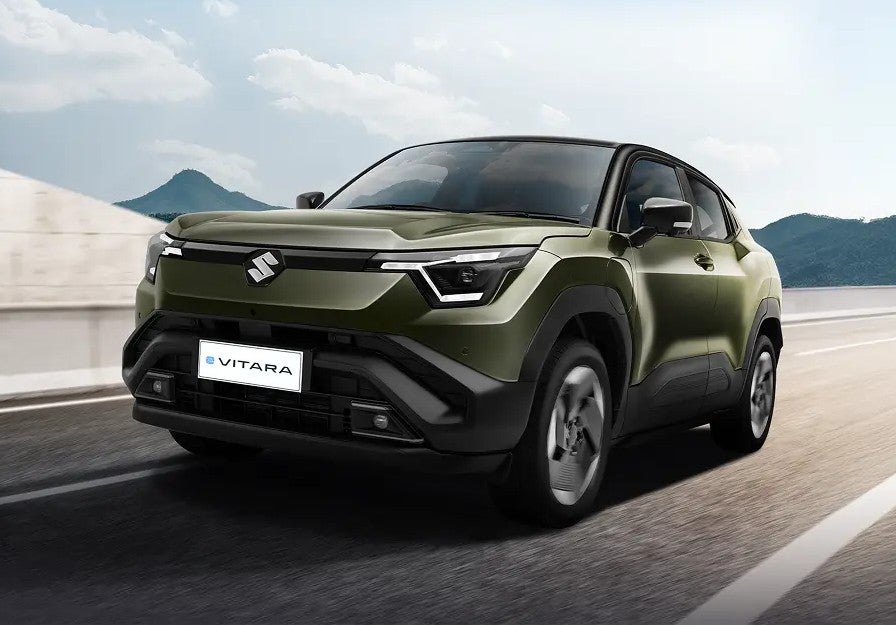
Maruti Suzuki finally stepped into the ring. I stood in the crowd as the e VITARA rolled onto the stage. The price settled at 1.1 million rupees. This SUV represents a shift in how India moves. It is an end to the dominance of the combustion engine in the small car segment.
The Battery-as-a-Service model rewrites the ledger for the average driver. Owners pay 3.99 rupees for every kilometer they travel. This strategy slashes the initial cost of the chassis. But the savings continue at the pump. Electricity replaces petrol as the primary fuel source for the masses. I noticed the excitement in the room when Partho Banerjee explained the rental plan.
Range anxiety is a ghost of the past. The battery lasts for 543 kilometers on a full charge. This distance covers the trip from New Delhi to Jaipur and back with energy to spare. Engineering teams focused on the chemistry of the cells. The "e for me" ecosystem provides the plugs. Reliability remains the core promise of the brand.
Service remains the backbone of the operation. Mechanics at 1,500 locations now carry testers instead of wrenches. These shops sit in cities. They wait in rural outposts. NEXA relationship managers handle the transition for the buyer. Dedicated charging managers supervise the flow of power. But the true test is the pavement.
Early adopters receive exclusive benefits. Maruti Suzuki aims to make the e VITARA the primary choice for families. The SUV offers space. It offers technology. And it offers a way to bypass the fluctuations of global oil prices. Success looks like a clean horizon. I think this launch marks the moment the electric revolution became affordable for the person on the street.
Just Auto provided valuable information for this article.
I watched the technician connect the charging cable to the e VITARA at the Manesar facility. The metal frame felt solid. This vehicle marks the end of the wait for a mass-market electric SUV from Maruti Suzuki. The price tag of 10.99 lakh rupees disrupts the current market hierarchy. It brings the purchase cost of an electric car level with a petrol equivalent. But the real innovation hides in the financial structure.
Ownership changed today. The Battery-as-a-Service model separates the shell from the power source. Drivers pay 3.99 rupees for every kilometer the tires rotate. This creates a predictable expense report for the middle-class household. I noticed the simplicity of the digital ledger on the dashboard display. It tracks energy usage like a utility bill. The strategy removes the fear of battery degradation from the buyer. It puts the burden of chemistry on the manufacturer.
Energy storage dictates the itinerary. A full charge covers 543 kilometers. This range allows a traveler to drive from Delhi to Lucknow without stopping for a plug. Engineers chose lithium iron phosphate cells for the pack. These components handle the intense heat of the Thar Desert. And they provide stability over thousands of cycles. I think the efficiency of the thermal management system will define the success of the car in summer months.
The network is the armor. Maruti Suzuki converted 1,500 service points to handle high-voltage systems. Tools replaced oil pans. Multimeters replaced dipsticks. NEXA relationship managers now function as tech consultants. They guide the driver through the software interface. But the human element remains at the center of the machine. I saw a charging manager explain the kilowatt-hour logic to a new owner with a smile.
Upcoming milestones are already on the calendar. Export shipments to Japan and Europe begin in the summer of 2026. The Gujarat plant is scaling production to 250,000 units annually. This volume will lower the price of components for everyone. And it ensures that parts are available in every corner of the country. Success is a quiet engine on a crowded street.
Bonus Insights: The e-AllGrip Advantage
The e VITARA features an independent motor on each axle. This setup provides traction on wet mud and loose gravel. Traditional SUVs use heavy driveshafts to move four wheels. This car uses electrons and wires. The response time of the torque is instantaneous. I noticed how the car gripped the pavement during a sharp turn at the test track. It felt grounded. It felt safe.
FAQ
What is the starting price of the e VITARA?
The vehicle enters the market at 10.99 lakh rupees.
How does the Battery-as-a-Service model work?
Owners pay a rental fee of 3.99 rupees for every kilometer driven instead of buying the battery upfront.
How far can the car travel on a single charge?
The e VITARA has a certified range of 543 kilometers.
Where can I get the electric vehicle serviced?
Maruti Suzuki has prepared 1,500 service centers specifically for electric vehicle maintenance.
How should I decide if the rental model is right for me?
You should calculate your average monthly mileage to compare the kilometer-based rental costs against traditional fuel expenses.
What should investors watch for regarding the sales process?
Investors should track the adoption rate and efficiency of the NEXA relationship manager system to gauge market reception.
 Find other details related to this topic: Check here


No comments:
Post a Comment