
- BMW's first dedicated electric M model is scheduled for release in 2027.
- This high-performance vehicle utilizes the advanced "Neue Klasse" platform.
- A revolutionary four-motor system assigns one motor to individually power each wheel.
- Vehicle dynamics will be managed by a specialized onboard computer system known as the "Heart of Joy."
Good evening. BMW's high-performance M division is preparing for a significant transition to electrification, targeting 2027 for the debut of its first pure electric M vehicle. The new model is engineered to establish a fresh performance benchmark within the high-performance segment, utilizing the company's newly developed foundational architecture, the "Neue Klasse."
Franciscus van Meel, managing director of BMW M GmbH, articulated the division's optimistic vision, emphasizing that the application of this latest generation of Neue Klasse technology will elevate the BMW M driving experience. This strategic move aims to inspire customers with outstanding, racetrack-ready driving dynamics meticulously crafted for everyday use.
The foundation of this electric performance lies in sophisticated software. The Neue Klasse architecture adheres strictly to the modern software-defined vehicle trend, shifting control away from numerous discrete electronic control units. Instead, a reduced number of powerful, centralized computers handle vast arrays of critical functions. One dedicated computer oversees infotainment; another manages automated driving and safety protocols.
Confusing Aspects and Advanced Dynamics
The most pivotal piece of computing hardware involved is designated the "Heart of Joy."
This system operates M-specific performance software, aptly named BMW M Dynamic Performance Control. The technology offers an order of magnitude faster response time in terms of electronic dynamic control compared to current M models. This extreme processing speed is essential for orchestrating the four individual electric motors that propel the vehicle.
Developing truly distinctive M-specific front and rear drive units, each integrating two motors, gearboxes, and control electronics, demands unprecedented integration. Integrating software responsiveness at an order of magnitude faster than current M models requires rigorous development cycles. During an operational briefing held last November in Spain, BMW M remained cautious, declining to elaborate on the specific type of electric motor being employed in the M drive units; observers generally suspect they are permanent synchronous motors.
- Testing validation requires immense data processing.
- Software calibration demands meticulous attention to detail.
- Rapid thermal management is crucial for sustained track performance.
Survey Results: Consumer Expectations
A recent industry tracking survey indicates heightened consumer anticipation for highly specialized high-performance electric vehicles. Seventy-four percent of surveyed high-performance vehicle owners expressed strong interest in performance EVs utilizing individual four-wheel independent motor control for superior handling characteristics and agility.
The M division's commitment to achieving this milestone, marrying high power output with precise dynamic control, offers an exciting glimpse into the future of automotive technology.
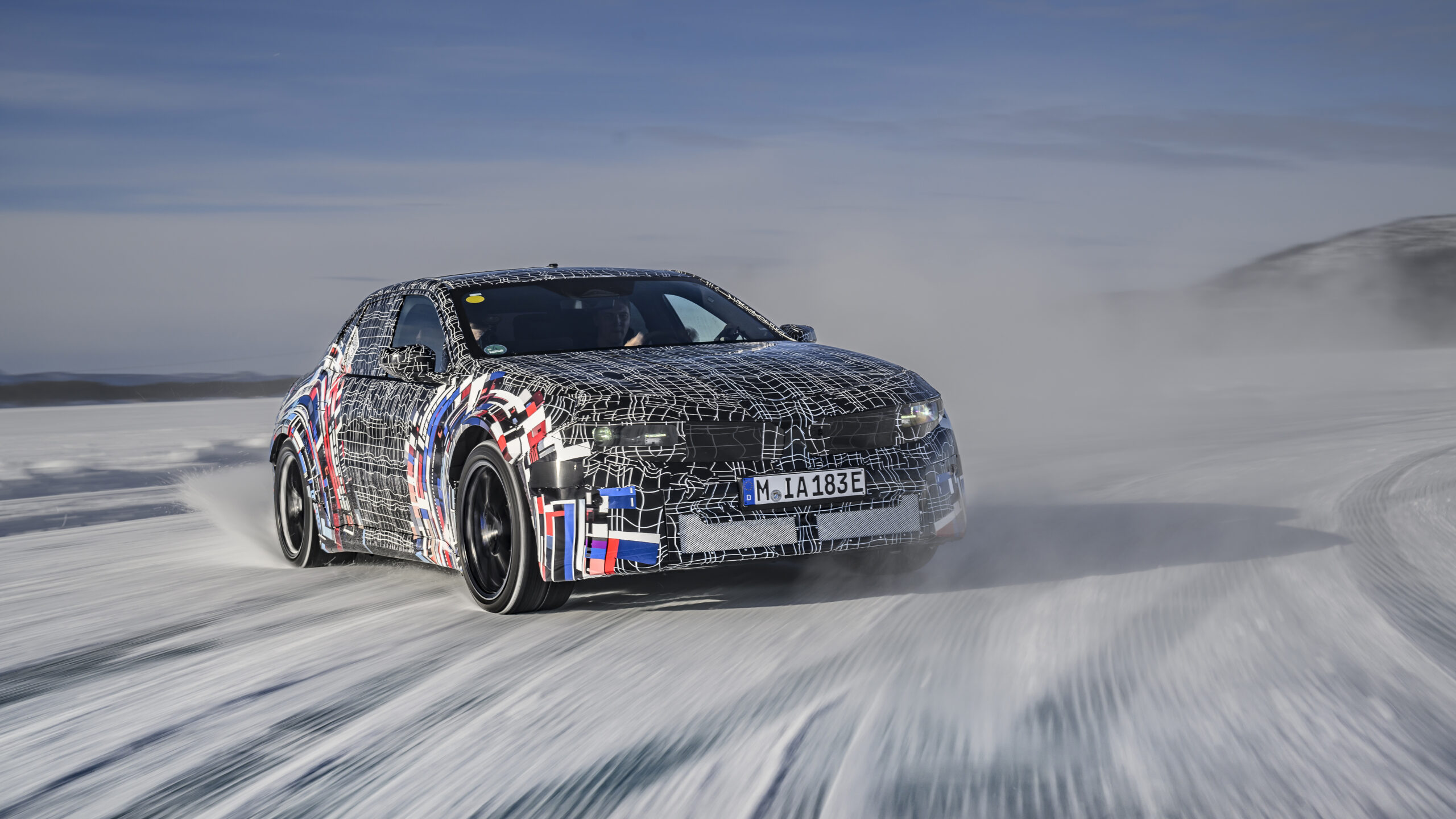
Late last year, we drove BMW's new iX3 . It's the first of a series of electric BMWs to use a newly developed platform, known as the "Neue Klasse.Find other details related to this topic: Check here


No comments:
Post a Comment