
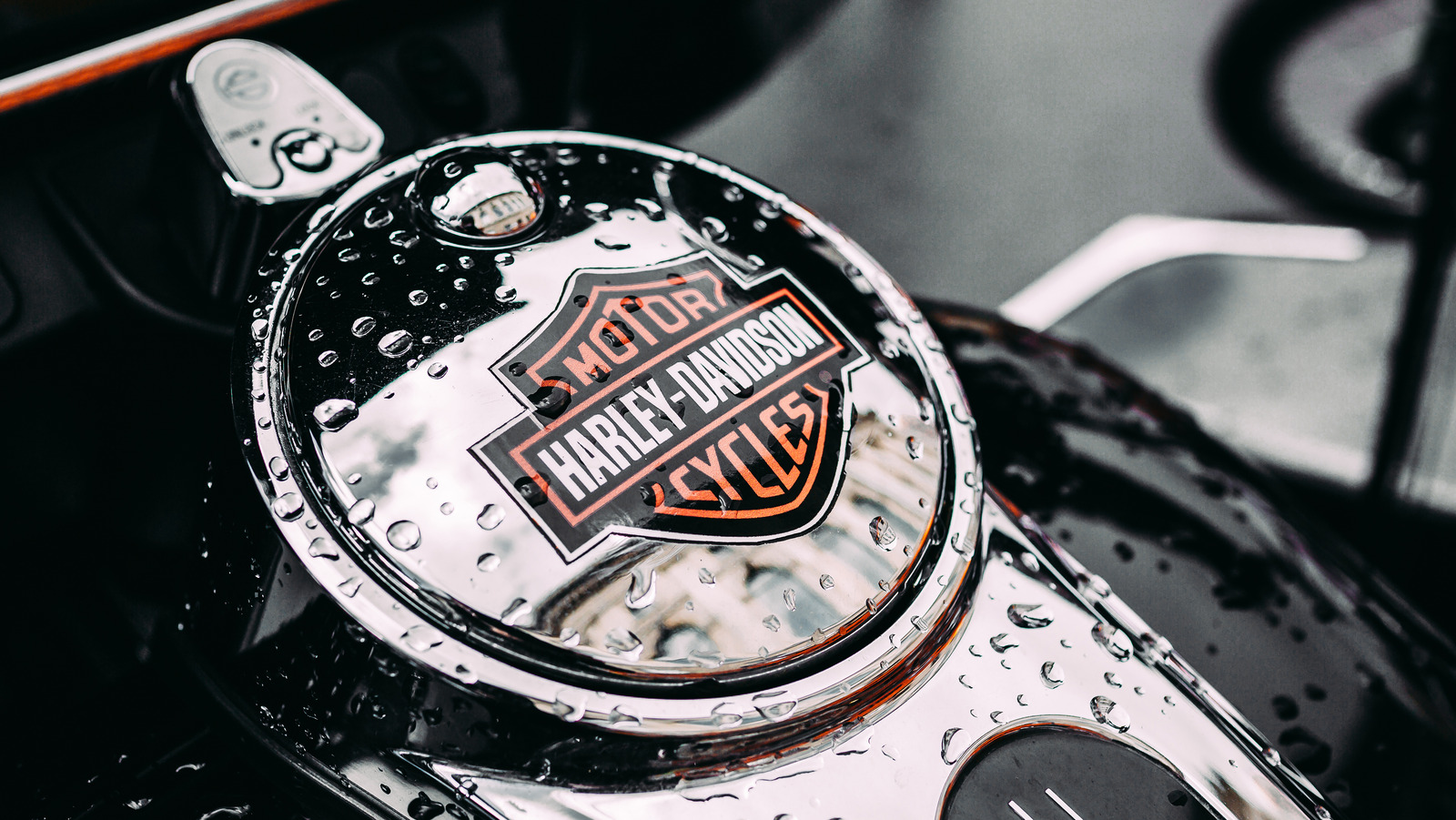
My fellow motorcycle enthusiasts, gather 'round and listen closely, for I'm about to regale you with tales of the iconic Harley-Davidson, a marque that's been churning out pedal-to-the-metal machines for nigh on a century. As we delve into the archives, we find ourselves in the tumultuous '70s, a period when the company was under the stewardship of AMF, that behemoth of bowling balls and bowling alleys.
Alas, it was during this era that the quality of Harley's motorcycles plummeted, leaving many a motorcyclist to lament the decline of the American dream. But fear not, dear friends, for the gods of innovation and perseverance soon intervened, and the modern Harley-Davidson emerged, a behemoth of a bike that's still revered by aficionados today.
But Harley's contributions to the war effort cannot be overstated. During World War II... the company was contracted by the military to provide motorcycles to the U. S. Army, and the result was the WLA "Liberator," a stalwart companion to the soldiers who rode them. This rugged machine, "with its flathead engine and durable construction.".. proved itself a worthy ally in the fight against tyranny.
Motorcycle Design Evolution** Harley-Davidson's 14-year span (1969-1981) under AMF ownership was marked by a significant decline in quality. The company's motorcycles during this period were often criticized for their poor performance and reliability. However, the company was able to rebound and produce high-quality motorcycles in the decades that followed.
The modern Harley-Davidson motorcycle is known for its robust design and reliable performance, with top-of-the-line models retailing for over $46,000. Military Contributions Harley-Davidson played a significant role in World War II, providing the U. S. Army with nearly 100,000 motorcycles, known as the WLA "Liberator". The motorcycles were designed to be tough and durable, with a flathead engine that was cheaper and easier to produce.
They were primarily used for escort, scout, "and police duties.".. rather than combat roles. The company's contributions to the war effort were substantial, "with up to a third of the production sent to Soviet allies." This significant contribution helped to ensure the Allies' victory... and the company's legacy as a manufacturer of high-quality motorcycles was cemented.
◌◌◌ ◌ ◌◌◌
The Enduring Legacy of Harley-Davidson A Ride Through History
Harley-Davidson. The name conjures images of chrome, roaring engines, and the open road. It's a brand synonymous with American freedom and a rebellious spirit, deeply woven into the fabric of motorcycle culture. However, the road to legendary status hasn't always been smooth. Examining Harley-Davidson's journey reveals a complex story, marked by periods of both triumph and adversity, and it's crucial to understand these challenges to appreciate the brand's resilience and enduring appeal.
One major challenge lies in maintaining quality control while meeting consumer demand. The infamous AMF era of the 1970s serves as a stark reminder. During this period, cost-cutting measures and a focus on mass production led to a significant decline in the quality and reliability of Harley-Davidson motorcycles. This tarnished the brand's reputation and threatened its very existence. This challenge persists today in a different form, balancing the desire for innovation and advanced features with the imperative to deliver a durable and dependable product.
Another significant challenge is adapting to evolving consumer preferences and market trends. The motorcycle industry is not static; it's constantly shifting, with new technologies, riding styles, and environmental concerns shaping the desires of riders. Harley-Davidson, traditionally known for its large displacement, air-cooled V-twins, must grapple with the growing demand for smaller, more fuel-efficient motorcycles, as well as electric alternatives. Successfully navigating this evolving landscape requires innovation and a willingness to embrace change, while still staying true to the brand's core identity.
Finally, maintaining relevance in a globalized market presents a unique challenge. Harley-Davidson has historically been a symbol of American manufacturing and craftsmanship. However, the rise of foreign motorcycle manufacturers, coupled with increasing global competition, forces Harley-Davidson to adapt its strategies and broaden its appeal to international markets. This involves not only expanding its product portfolio to cater to diverse riding cultures but also navigating complex international trade regulations and tariffs.
With more than a century of building motorcycles, Harley will have plenty of models to talk about, some better than others. There was a time through the years spanning from 1969 to 1981 when the company was owned by AMF, which is most closely associated with bowling balls and equipment. This is also the period when most Harley owners will say the quality had gone so far downhill, it fell into a ravine.• • • •
Although quality fell precipitously during the '70s, it finally rebounded, and the modern Harley-Davidson motorcycle is a reasonably well-built machine, and plenty of folks are willing to lay down exorbitant amounts of cash for a new one — the top-of-the-line model retails for more than $46,000. So, we dug deep into the archives of Harley-Davidson's motorcycles to come up with these 14 best bikes from the legendary Milwaukee company.


No comments:
Post a Comment